The Philadelphia 76ers scored 37 points in the second quarter on Monday and still lost ground. They scored only five more than that in the entire second half. Between those two numbers lies the story of Portland's 128–111 road win on November 23. The Trail Blazers reached 11–6 and ended a five-game Philadelphia winning streak; the Sixers are 14–4. Deni Avdija's 31 points deserve top billing, but Philadelphia had enough scoring from its starters to beat Portland's five starters by 13. What the home team did not have was an answer for the players who came next. The NBA's game summary records a game tied 11 times before the margin grew to double digits.
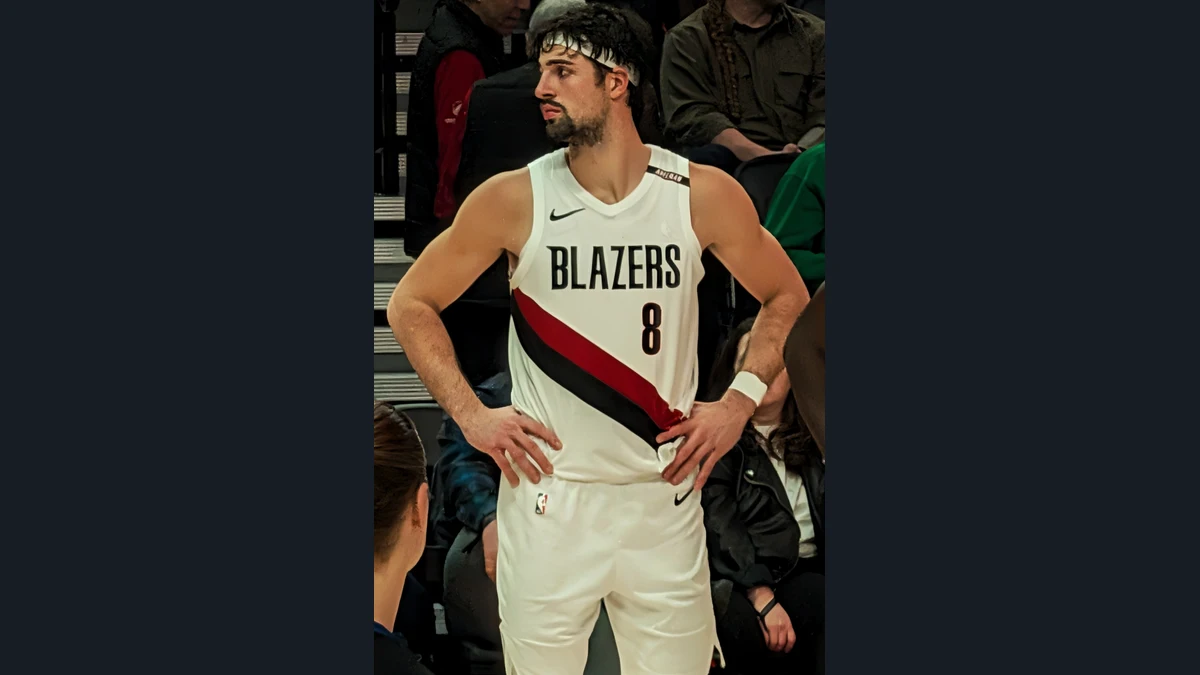
A scorer with an answer on both sides of the arc
Avdija's five made threes produced 15 points, just under half his total. His two-point attempts were nearly as valuable: he made seven of ten for another 14. The distinction matters on a night that might otherwise sound like a long-distance shooting exhibition. Turning him away from the three-point line was hardly a complete solution. Nor did he need the whistle to keep scoring. He made only two of five free throws and nevertheless put up 31 in 29 minutes and 49 seconds.
His seven assists indicate another cost to concentrating the defense on his shot. So do the names on the rest of the score sheet: 14 of Portland's 19 made threes belonged to someone else. That is not to say every possession worked as intended. Avdija committed five turnovers, a substantial share of Portland's 12 individual turnovers. His influence came with mistakes. The Blazers won because they could absorb them, not because their leading scorer played a mistake-free game.
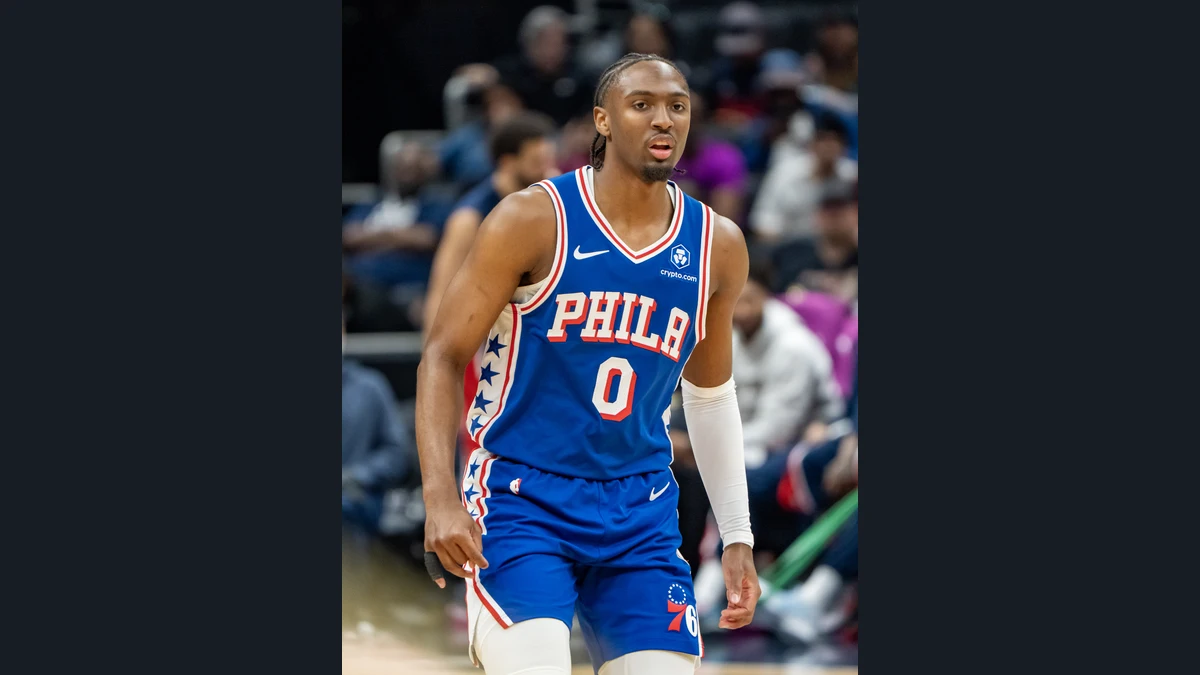
Philadelphia won the starters' scoring contest, not the game
Add up the points credited to the starting five on each side and Philadelphia leads 87–74. Starters and reserves share the floor, so this is not a claim about how either five-man lineup performed against the other. It is an accounting of where the points came from. Portland's bench supplied 54 points to the home team's 24. Its 30-point advantage more than covered the difference between the starters and left exactly the 17 on the final scoreboard.
Jrue Holiday made four of five three-point attempts on his way to 18 points off the bench. Scoot Henderson hit three of five and finished with 17. Together they outscored all of Philadelphia's reserves by 11. They also combined for eight assists. Those numbers give a better sense of the problem than simply calling the visiting bench deep. Portland could take a starter out and still have someone on the floor who was both making jump shots and creating baskets for others.
Why a center's missed shots barely figure in the recap
Donovan Clingan attempted eight field goals. Seven went in. Yet the line that stands out belongs to a different part of the official box score: 18 rebounds in 28 minutes and 46 seconds. Five came at the offensive end, a third of Portland's 15 offensive rebounds. A rebound there does not automatically produce points, but it denies the defense the payoff for forcing a miss and asks it to defend for another stretch of the same possession.
Clingan added five assists and two blocks to his 15 points. For all that work, neither team owned the paint on the scoreboard: each scored 50 there. Philadelphia also doubled Portland on fast-break points, 14–7. Those are useful counterweights to the final margin. The Sixers did find ways to beat the visitors down the floor and score close to the basket. The problem was that those baskets were not valuable enough to offset Portland's production elsewhere.
A quieter offense was still the better offense
Portland won the third quarter 32–23, turning a 69-all tie into a 101–92 lead. The visitors then scored fewer points than they had in any of the first three quarters and extended the lead anyway. A 27–19 fourth quarter explains why the two halves felt so different without requiring a story about a single decisive shot. Portland's scoring fell from 69 to 59; Philadelphia's fell from 69 to 42. It was the size of the second drop that settled the game.
Tyrese Maxey's 22 points included six free throws without a miss. His opposite number had an even more extreme split. Damian Lillard missed 11 of 15 shots from the field but went nine for nine at the line, finishing with 18 points. For Portland, that was a useful return on a difficult shooting night rather than a problem it needed its point guard to solve alone. Avdija supplied the headline, the bench supplied the largest scoring advantage, and Clingan made sure that a missed first shot did not always mean Philadelphia got the ball back.
Image credits. Context photographs resized, framed with margins and converted to WebP without cropping. MxMcPhoto (CC BY 4.0); Chensiyuan (CC BY-SA 4.0).
Sources for this story
Original documents are linked in the article.
Becoartes - Beco do Batman
99 Gonçalo Afonso Street, Vila Madalena, São Paulo