Japan beat Uruguay 3–1 on 24 September 2026 at Q&A Stadium Miyagi. Kuryu Matsuki opened the scoring, Maximiliano Araújo equalised, and Kento Shiogai and Ayase Ueda settled the match in stoppage time. Japan now face Venezuela in another friendly before playing Ecuador and, depending on the result, Panama or New Zealand in the Kirin Cup.
This sequence can reveal more than four scorelines. It is Japan’s first window after the 2026 World Cup and brings together established players, four first-time call-ups and different types of matches. It is still too early, however, to turn one victory into a forecast for 2030.
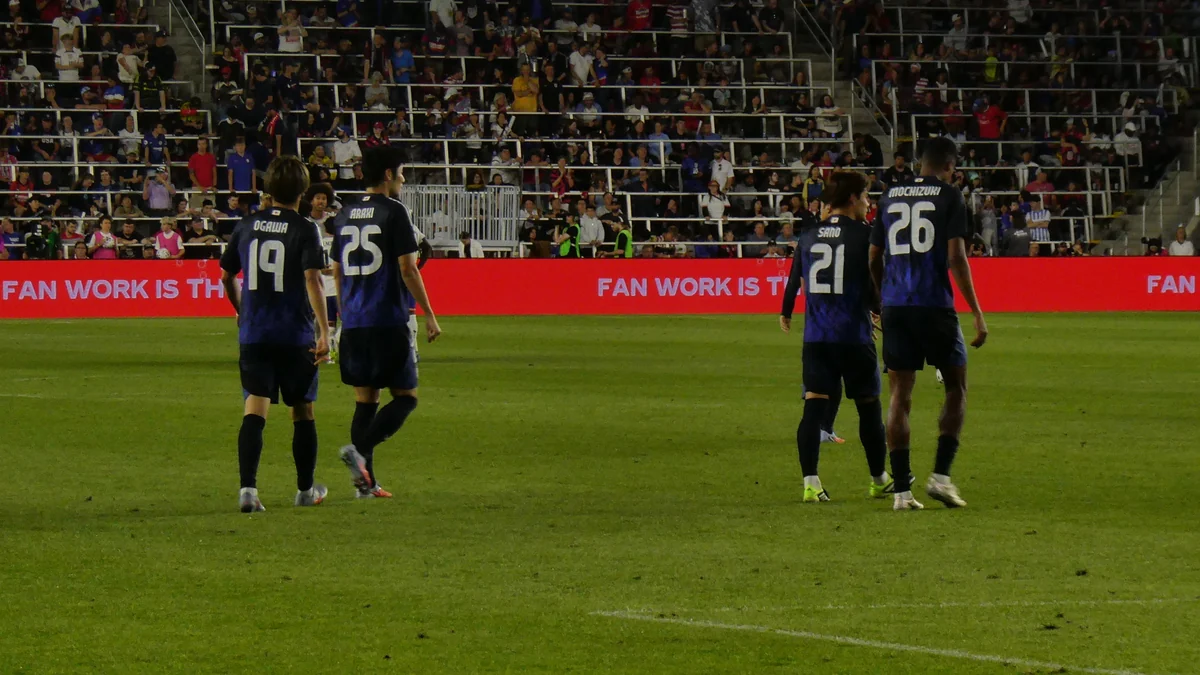
What happened in Japan 3–1 Uruguay
Matsuki scored in the 11th minute during his first senior call-up. Araújo equalised in the 42nd, sending the sides into half-time level. The difference emerged only at the end: Shiogai made it 2–1 at 90+1, and Ueda completed the scoring at 90+6. The official JFA match record shows that Ueda and Takefusa Kubo entered in the 63rd minute, with Shiogai coming on in the 83rd.
The timing of the goals offers two clues without completing the analysis. Matsuki responded when given a starting opportunity, while two players introduced during the match decided it in stoppage time. At the same time, Japan went through almost the entire second half without breaking the tie. In the next matches, it will be worth checking whether the team can establish an advantage earlier and whether the substitutes retain their impact against different opponents.
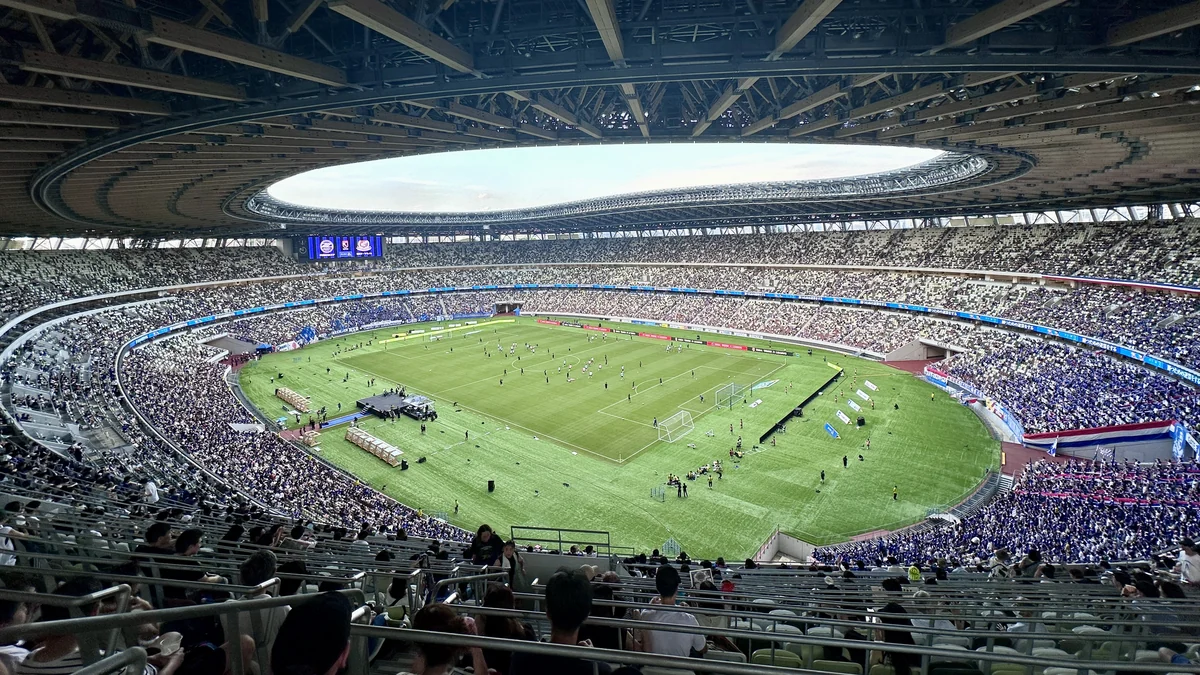
The Challenge Cup and Kirin Cup are not the same competition
The matches against Uruguay and Venezuela belong to the Kirin Challenge Cup 2026, a series of friendlies. The Kirin Cup Soccer 2026 is a separate four-team tournament featuring Japan, Ecuador, Panama and New Zealand. That distinction explains why Japan’s final opponent has yet to be determined.
According to the schedule published by the JFA, Japan play Ecuador on 1 October at International Stadium Yokohama. On 5 October at the National Stadium, Japan will face Panama or New Zealand. The competition page confirms the four participants. As times and arrangements may change, check the official links before following each match.
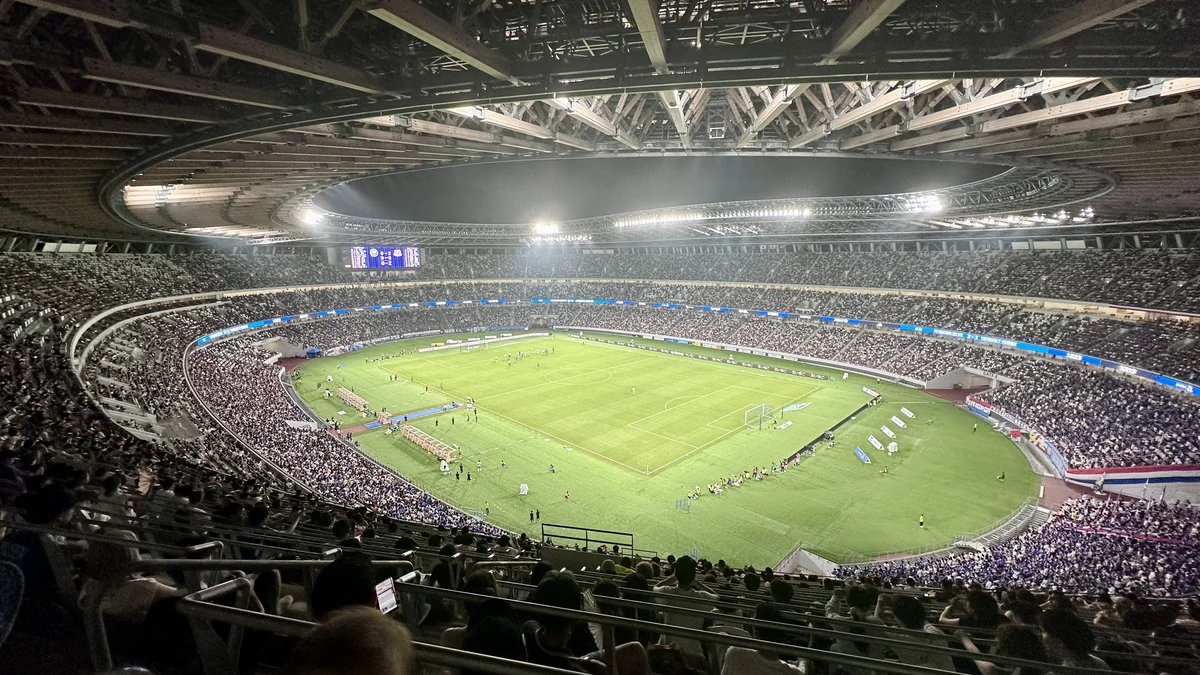
Venezuela: continuity after a late victory
The next fixture is against Venezuela on 28 September at Edion Peace Wing Hiroshima. Continuity will be the main point to watch: which starters remain, how extensively Hajime Moriyasu changes his team and whether those who made an impact from the bench against Uruguay receive more minutes.
It will also be useful to distinguish rotation from a strategic break. Four matches between 24 September and 5 October naturally create room for changes. A different line-up does not, by itself, mean that an idea has been discarded. The more meaningful indicator is whether roles and collective connections survive personnel changes—especially in chance creation, occupation of the penalty area and protection after losing the ball.
Ecuador: the tournament begins
The Ecuador match marks Japan’s entry into the Kirin Cup. That brings an immediate consequence: the result determines which match Japan will play in the next round. Rather than comparing only possession or shot totals, viewers can follow how the team manages different phases: the opening, its response to conceding and late decisions.
The game also provides a reference for judging whether the solutions seen against Uruguay can be repeated. The 3–1 win in Miyagi included two goals after the 90th minute, so the final margin was wider than the advantage Japan maintained for most of the contest. Assessing territorial control, chance creation and the response to substitutions will be more informative than looking for another emphatic scoreline.
The final match depends on the other semifinal
The fourth match will be against Panama or New Zealand on 5 October at Tokyo’s National Stadium. The opponent depends on the Kirin Cup bracket and should not be treated as settled before the 1 October results. The official fixture page is the reference for updates.
That final fixture should be read alongside the previous three. Repeated partnerships, minutes given to new names and responses to different situations say more about squad building than one isolated performance. It will also be possible to see which players sustain their level with short intervals between matches.
First-time call-ups and one confirmed absence
Kaina Tanimura, Shuto Nakano, Kuryu Matsuki and Shunsuke Saito were the four first-time senior call-ups, according to the JFA squad list. The same source says Takehiro Tomiyasu did not participate because of injury. A first call-up does not automatically mean a debut: Matsuki started and scored against Uruguay, while Nakano, Tanimura and Saito appear among the substitutes in the match record without a recorded appearance.
Responsible assessment begins with that distinction. In the coming matches, the relevant questions are who actually plays, in which role and alongside which teammates. Matsuki has already produced concrete evidence; the others still need minutes before a meaningful comparison is possible.
What the beginning of the cycle can actually show
The JFA itself presented the Uruguay reunion as the beginning of the post-2026 journey, noting that Moriyasu also opened the previous cycle against the same opponent. The official background report also records that the match was Diego Forlán’s first as Uruguay’s interim senior coach.
Through 5 October, the most useful signs will be straightforward: who earns minutes, which combinations recur, how Japan respond without a lead and how well the structure survives rotation. They cannot tell us who will be at the 2030 World Cup. They can identify the first choices in a long process—the right scale on which to judge this window.
Continue the conversation at Becoartes
After the matches, visit Becoartes at Rua Gonçalo Afonso, 99, Vila Madalena, São Paulo. Check the official Becoartes website before visiting.
Becoartes - Beco do Batman
99 Gonçalo Afonso Street, Vila Madalena, São Paulo
Sources and credits
- Keiteay — CC BY 4.0
- Akonnchiroll — CC BY 4.0
- Akonnchiroll — CC BY 4.0
- JFA — página oficial e resultado de Japão x Uruguai
- JFA — elenco e calendário dos quatro jogos de setembro e outubro
- JFA — contexto oficial do novo ciclo e do reencontro com o Uruguai
- JFA — formato, participantes e programação da Kirin Cup 2026
- JFA — tabela oficial da Kirin Cup 2026