The bag in the refrigerator may look identical to one you finished last week. What identifies the cheese in the French recall notice is not the colour of the packaging, or even the word “emmental”. It is a combination of the brand, pack size, product code, batch and date on the label. Intermarché is the named retailer in France. Anyone holding a matching pack should stop eating the cheese and return it to the point of sale for a refund.
Start with three numbers on the pack
The retail name is Emmental Râpé, the brand is Top Budget and the bag contains 200 g. The number beneath the barcode is 3410280141671. This is the GTIN, which identifies the retail item. The second detail is the beginning of the batch code: 11 323. The third is the best-before date: 29/01/2027. The notice says the batch number *begins* with those digits, not that the last digit on the pack must be a three. Further characters do not, by themselves, rule out a match.
Picture two bags of cheese in the same shopping basket. Both can carry the same barcode because they contain the same item, by the same brand, in the same quantity. They can nevertheless come from different batches. Scanning the barcode with a phone does not answer that second question. The notice also lists the French identification mark FR 71 047 001 CE. It is another reference point, not a substitute for checking the batch and date. The official notice includes a photograph of the pack for anyone unsure of its appearance.
Why November and January both appear
The retail notice naming Intermarché gives a sales period from 21 to 23 November 2026. It lists the area of sale as France nationwide, not one particular city and not the European market in general. January is the date to look for on the bag; it is not the month in which the customer would have bought the cheese. Someone who shopped on Saturday 21 November, for instance, should not look for “21/11” as if it were the best-before date printed on the pack.
There is a wrinkle for anyone who comes across two posters online. An earlier notice dated 23 November names seven distribution establishments and lists a period extending into January. The notice dated 24 November names the retailer and ends its sales period on 23 November. Both give the same three identifiers for checking the pack and the same action to take. Finding two notices is not evidence of two different recipes or two different bag sizes being involved.
The reason for the recall is not a bacterium
The manufacturer named on the posters is Fromageries Terres d’Or. The concern is the possible presence of a foreign object identified as glass. That does not mean glass has been found in every pack. It means the guidance applies to packs matching the batch without requiring the shopper to establish that a fragment is present first. Nor does the notice advise customers to sieve the cheese, hold it up to the light or heat it before eating. The advice is to stop using it, even if the contents look normal.
The database uses a broad category for inert materials, listing examples such as metal, plastic or paper. That general heading is not a list of discoveries inside this cheese. The stated reason for this particular recall is more precise: glass. Likewise, a separate story about a cheese recalled over a microbial issue does not change what the notice says. If you share the news with someone who bought the product, send the batch notice rather than a message claiming that grated cheese in general is unsafe.
What to do with a matching pack at home
If the identifiers match, set the pack aside for return rather than serving the cheese. Take it back to the point of sale. The stated compensation is a refund; the notice does not instruct customers to ask for a voucher or buy a replacement pack to obtain one. If the label is illegible or the cheese has been transferred to an unmarked container, the shape of the shreds cannot reconstruct the batch number. Tell the retailer what information you still have and ask for guidance rather than assuming a definite match.
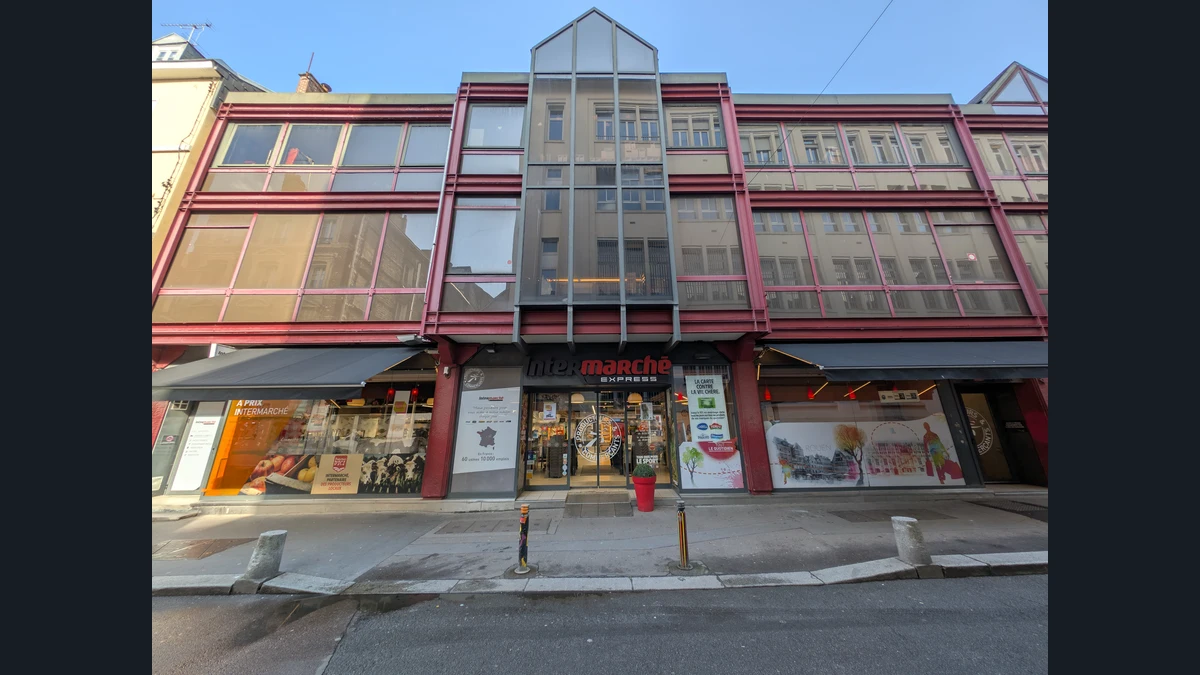
The French consumer protection authority distinguishes removing goods from distribution from also reaching people who already took them home. That is why a supermarket clearing its shelves does not finish the job for a household with the cheese still in the refrigerator. When checking the notice, separate what it establishes from what it does not: it identifies the pack, the retailer, the country and what to do with the product. It does not give the number of bags sold in your town. The store photograph in this article illustrates the chain; it does not establish that the particular shop received the batch.
One detail for shoppers checking their receipts
A receipt can jog your memory about the shop and the day of purchase. Its date answers a different question from the one printed on the label. If two shoppers bought groceries together and divided them afterwards, it is worth checking the pack each person actually took home. The action recommended in France relates to the identified product, not to the loyalty account used at checkout. To show someone what to check, share the official link so they can compare their own bag with the picture and the numbers rather than relying on somebody else’s recollection.
Image credits. Images resized, framed with margins and converted to WebP without cropping. Andy Li / Wikimedia Commons (CC0); TCY / Wikimedia Commons (CC BY-SA 4.0).
Sources for this story
Original documents are linked in the article.
Becoartes - Beco do Batman
99 Gonçalo Afonso Street, Vila Madalena, São Paulo