The men's high jump qualifying round at the Aichi–Nagoya 2026 Asian Games was cancelled, sending all 16 entered athletes directly to the final. That gives Sanghyeok Woo, Mutaz Essa Barshim and every other competitor no points, extra attempts or sporting advantage: all begin the final under the same rules for heights, failures and tie-breaks.
The change affects the size of the field and removes one stage from the programme, but it does not turn automatic advancement into a result. The confirmed time and any changes should be checked on the official Asian Games athletics page.
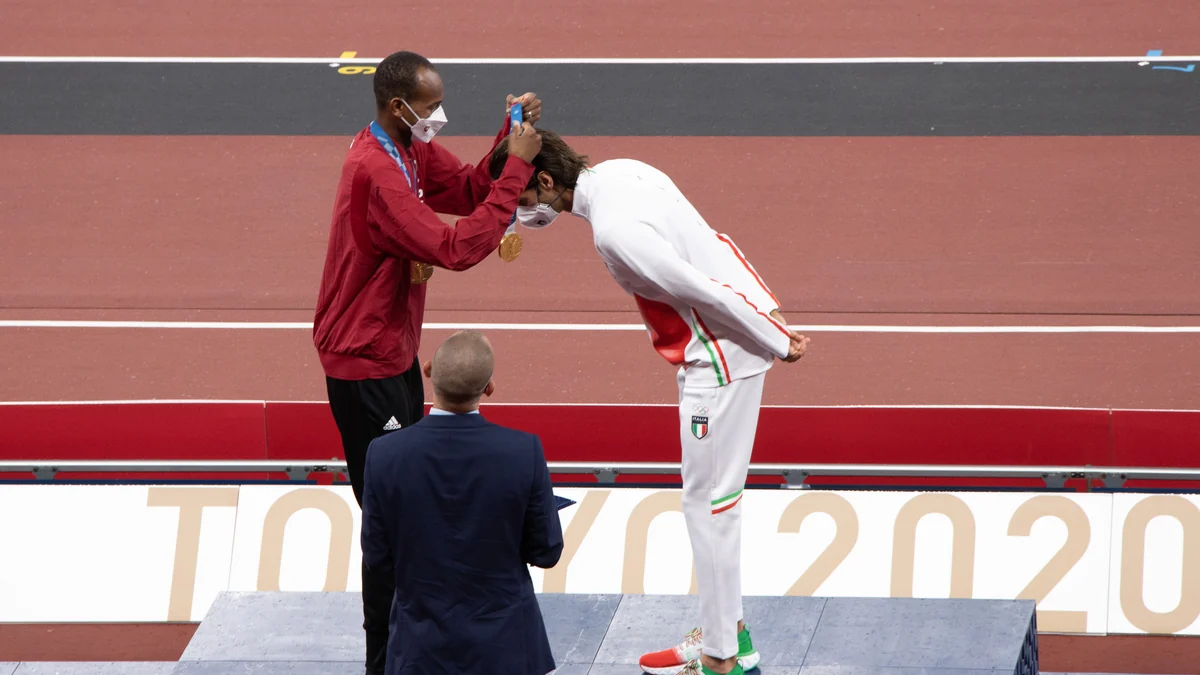
Why the qualifying round was cancelled
On 23 September, the organising committee announced the cancellation of qualifying rounds in several field events, including the men's high jump. According to Aju Press, a Korea Athletics Federation representative explained that staging the round depends on the final number of participants and linked the decision to withdrawals among previously registered athletes.
The list available at the time contained 16 names. Instead of reducing that field through a qualifying standard or a fixed number of qualifiers, the organisers moved everyone into the final. “Advancing” therefore describes access to the final only: no mark was recorded in the process, and nobody carries a favourable score into the competition.
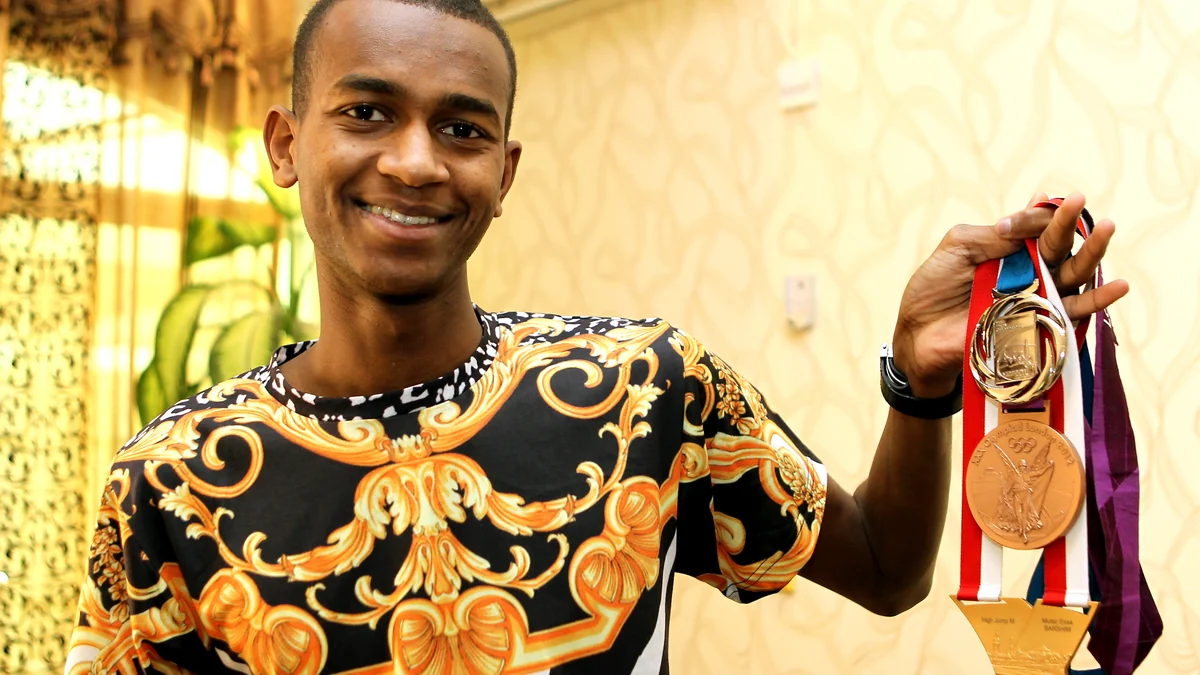
Woo and Barshim start on equal regulatory terms
The most prominent match-up features South Korea's Woo and Qatar's Barshim, but the format creates no separate bracket and reserves no advantage for either athlete. Aju Press also identified India's Sarvesh Anil Kushare as a leading rival and described Barshim as the Tokyo 2020 Olympic champion.
Woo's World Athletics profile lists a personal best of 2.36m, achieved on 5 February 2022, as well as world indoor titles and medals at world championships. Those details establish his record but do not operate as a bonus. Reputation, ranking and previous bests cannot replace what each athlete produces in the final.
Japan's team includes Ryoichi Akamatsu and Hirokazu Sakai in the men's high jump, according to the updated Japan Association of Athletics Federations list. The page says the Asian Games athletics programme runs from 23 to 29 September at Mizuho Park Athletics Stadium in Aichi–Nagoya and directs readers to the official results for details.
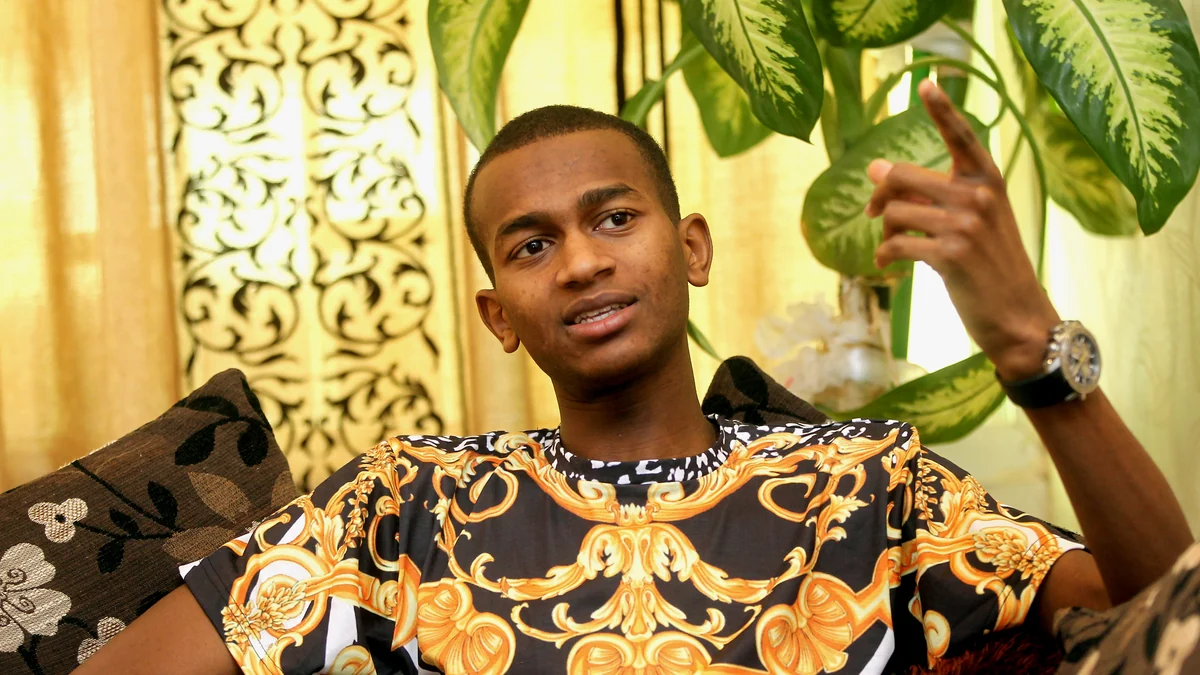
The cleared height comes first
In the final, the bar rises through heights set for the competition. Each athlete may enter at a chosen available height and may also pass a height or a later attempt. A pass is not a successful clearance: it is a strategic choice that makes the athlete dependent on clearing a subsequent height.
The winner is first determined by who clears the greatest height. On a scorecard, “O” commonly marks a valid clearance, “X” a failure and “–” a pass. The key is to follow the last height actually cleared, not simply who still appears in the jumping order.
The applicable provisions are collected in Competition Rules & Technical Rules, with the listed 2026 version updated on 1 July in the official World Athletics rules library. Because documents and operational decisions can change, the official version and competition results should take precedence.
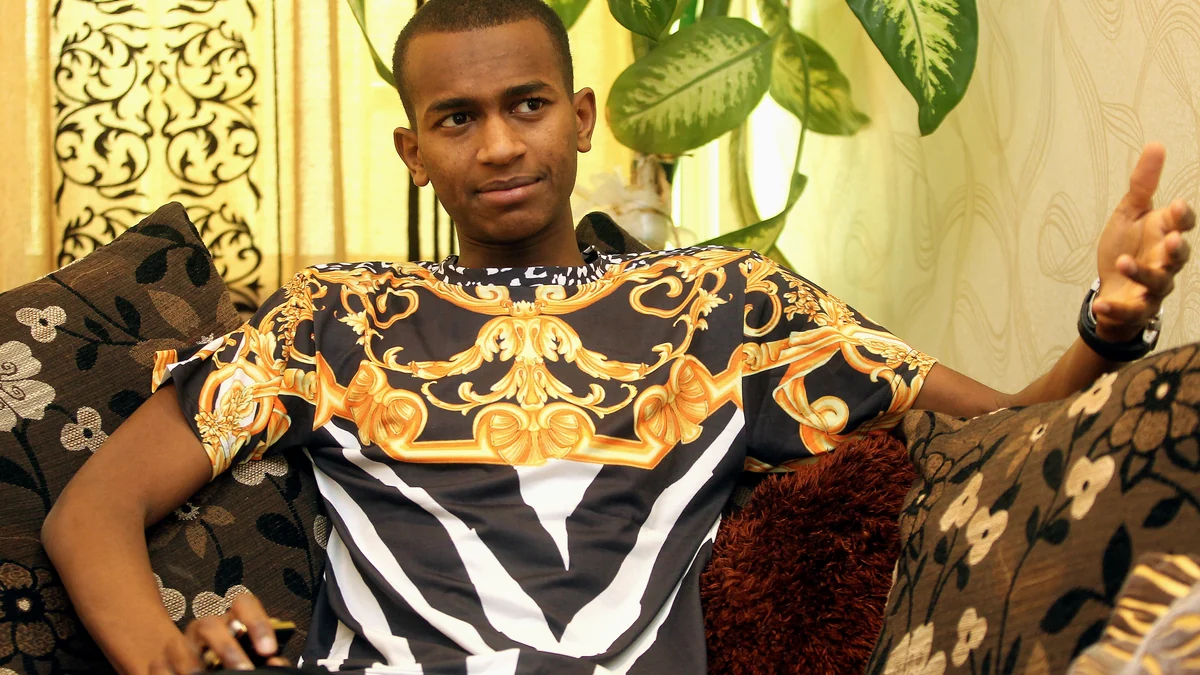
Three consecutive failures eliminate an athlete
Each height normally allows up to three attempts, but elimination follows three consecutive failures, even when they extend across different heights. An athlete can, for example, fail twice, pass the third attempt at that height and use the remaining attempt at the next one. Another failure then completes the sequence of three and ends the athlete's competition.
That is why counting only the crosses on one line can mislead. Failures remain with an athlete until a successful clearance; the clearance breaks the sequence. Passing an attempt does not erase earlier failures.
This freedom creates tactical decisions. Someone who is behind may save an attempt for a higher bar, while the leader may prefer to secure the current mark. Removing the qualifying round does not change that mechanism; it merely places all 16 entrants together at the start of the final.
Tie-breaks count the failures
If two or more athletes finish with the same best height, the ranking first favours the athlete who used fewer attempts to clear that height. If they remain level, the next comparison is the lowest total number of failures throughout the competition up to and including the last height cleared.
This explains why athletes with the same mark can occupy different positions. A first-attempt clearance preserves a potential advantage; misses at earlier heights can return in the final calculation. To follow the contest, compare the best height, the attempts at that height and the accumulated failure total at the same time.
A jump-off only settles first place
If the earlier criteria still leave athletes tied for first, the rules provide for a jump-off unless an applicable decision is made not to hold one. In this stage, the tied athletes receive one attempt at each height. The bar may rise when everyone clears it or fall when everyone fails, continuing until only one athlete clears while the other athlete or athletes fail.
For other positions, a remaining tie may stand. Not every tie therefore produces another round. The jump-off is a specific device for choosing the champion when height and failure counts cannot separate the leaders.
The right way to read the final is to begin without assigning an advantage to its most familiar names. Woo, Barshim, Kushare, Akamatsu, Sakai and the rest enter the same contest directly; the order will be built one jump at a time. Before following the final, check the official channel for the schedule, start list and results because those details remain subject to updates.
A place for sport and culture conversations
After following the final, visit Becoartes at Rua Gonçalo Afonso, 99, Vila Madalena. Confirm current information on the [Becoartes website](https://becoartes.com/).
Becoartes - Beco do Batman
99 Gonçalo Afonso Street, Vila Madalena, São Paulo
Sources and credits
- Bob Ramsak — CC BY-SA 4.0
- Doha Stadium Plus Qatar from Doha, Qatar — CC BY 2.0
- Doha Stadium Plus Qatar from Doha, Qatar — CC BY 2.0
- Doha Stadium Plus Qatar from Doha, Qatar — CC BY 2.0
- JAAF — resultados oficiais da seleção japonesa, atualizados durante o atletismo
- World Athletics — regras técnicas e de competição vigentes em 2026
- World Athletics — perfil e marcas de Sanghyeok Woo
- Aju Press — relato do cancelamento da eliminatória e avanço dos 16 inscritos