ATHLOS London is a women’s track and field meeting with its own format: seven events, six elite athletes in each contest and one crowned champion per event. The London edition took place on 18 September 2026 at StoneX Stadium in Barnet. It was neither part of the Olympic Games nor presented as a conventional stop within the usual international circuit structure. For anyone arriving with the question “what is ATHLOS?”, that distinction is the starting point.
The official ATHLOS website brings together the format, competitors and final results. Line-ups, broadcasts and future editions may change, so operational information should always be checked there.
What were the seven events?
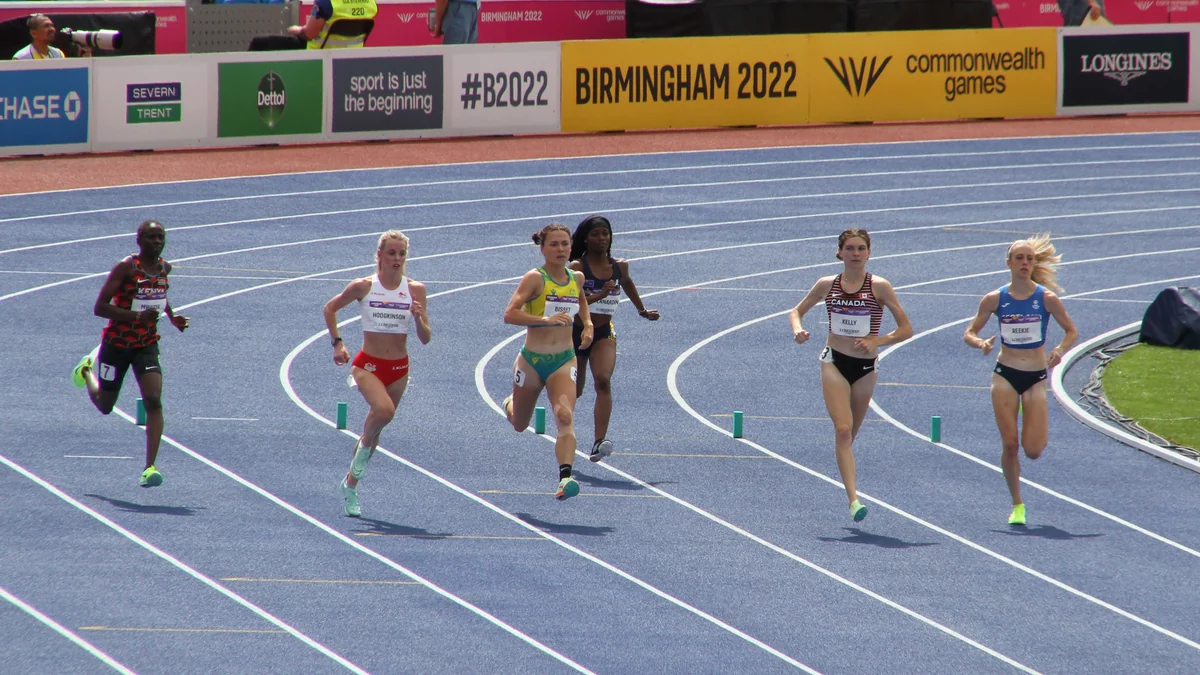
London’s official programme comprised the 100m hurdles, long jump, 100m, mile, 400m, 800m and 200m. It was a compact combination, without qualifying heats presented as part of a multi-day championship. According to ATHLOS, each event had six competitors and was decided in a single night.
There is an important discrepancy between the sources: the opening summary of the BBC Sport coverage said Georgia Hunter Bell would contest the 1500m, but that page’s detailed schedule and the official result identify the race as the mile. To interpret this edition, use the official designation: one mile, equivalent to 1,609.344 metres, rather than 1500m.
What makes the format different?
At a conventional meeting, sporting status is often understood through external calendars, series and ranking systems. ATHLOS London used a self-contained central narrative: one host city, seven events, six athletes in each and a crown for every winner. The organiser describes the project as a global circuit where sport and culture meet.
The event advertised prize money of US$65,000 for first place, US$35,000 for second, US$20,000 for third, US$15,000 for fourth, US$10,000 for fifth and US$6,000 for sixth. ATHLOS also says eligible participating athletes receive equity in the venture. Those features belong to the league’s commercial model; they do not alter athletics’ basic rules governing timing, distance or finishing order.
How to read times and results
In running events, the winner is the athlete who reaches the finish in the shortest time. Results for the 100m, 200m and 400m appear in seconds; the 800m and mile are generally easier to read as minutes, seconds and hundredths. For the 100m and 200m, also look for the wind reading, which provides context for the performance. The official 200m result, for example, recorded a +0.1 wind and a 22.13 victory for Gabby Thomas, ahead of Kayla White in 22.40.
The comparison works in the opposite direction in the long jump: the longest valid mark wins. The BBC schedule separated two opening rounds from a final round. That does not turn the event into an elimination race; these are successive attempts whose measurements determine the standings.
To compare ATHLOS marks with performances from other competitions, consult the World Athletics calendar and results. Always compare the same event and consider wind, track, competition round and official-mark status; a mile time should not be compared directly with a 1500m time.
Athletes who provide a route through the night
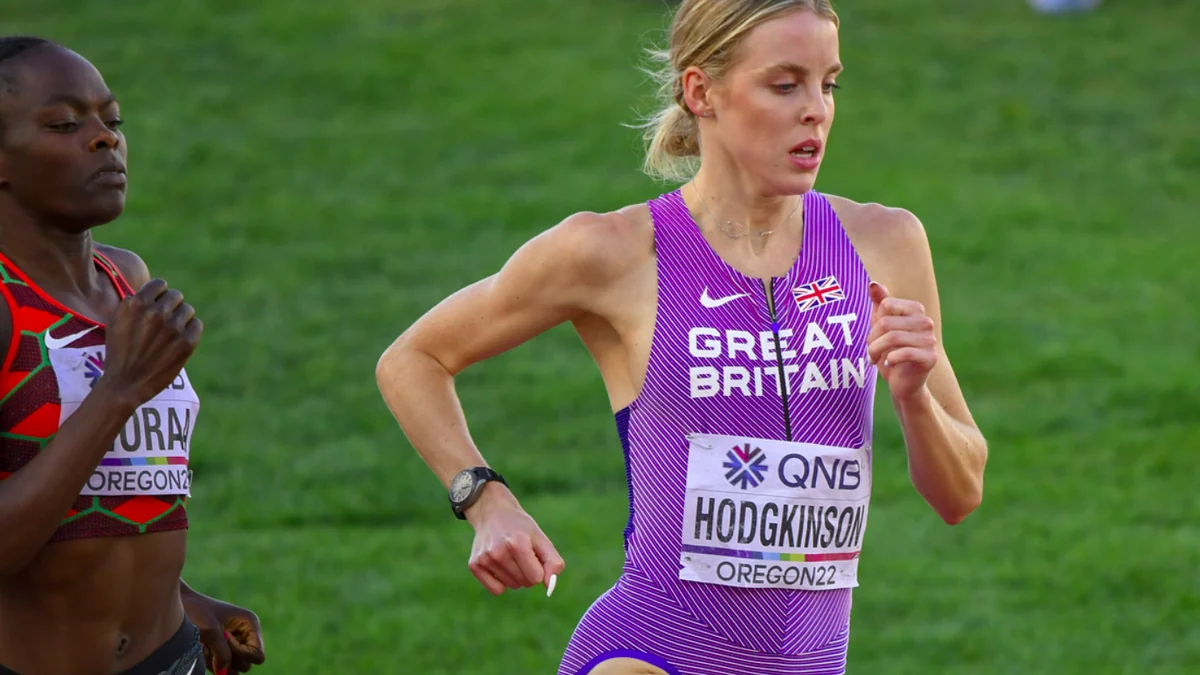
Keely Hodgkinson was the leading British name listed for the 800m. Georgia Hunter Bell appeared in the mile. The BBC schedule also highlighted Sha’Carri Richardson in the 100m, Marileidy Paulino in the 400m and Gabby Thomas in the 200m. The stated field also included Daryll Neita and Imani Lansiquot in the 100m, with Jess Hull among the international stars.
One documentary caution matters: the supplied World Athletics links labelled as profiles for Hodgkinson and Hunter Bell displayed pages for different athletes in the material reviewed. This guide therefore does not assign records, medals or personal bests to either athlete from those inconsistent addresses. The ATHLOS listing and BBC coverage support only their presence and respective events in London.
ATHLOS is not the Olympics
The presence of Olympic champions does not make the meeting an Olympic competition. ATHLOS is an independent initiative created by Alexis Ohanian; it staged editions in New York in 2024 and 2025 before its London debut. The organisation also presents Gabby Thomas, Tara Davis-Woodhall and Sha’Carri Richardson as athlete owners and advisers to the venture.
Consequently, “ATHLOS champion” means the winner of an event at this meeting—not an Olympic title and not automatically the lead in a world ranking. To avoid confusion, read the competition name first, followed by the discipline, mark and placing.
How to check information after the event
The official page offers a replay option and displays “Final Times & Winners”. The BBC reported coverage on iPlayer, Red Button, its website and app, but availability and regional restrictions may change. Check the official links before looking for a recording, future edition or tickets.
Use this sequence when opening a results table: confirm whether the race is the mile or 1500m; identify whether the result is a time or distance; check wind in the short sprints; and keep an ATHLOS placing separate from external rankings. That way, the format becomes an entry point into athletics rather than a source of confusion.
Sport and culture in perspective
After following ATHLOS, continue exploring stories about sport and culture at Becoartes, Rua Gonçalo Afonso, 99, Vila Madalena. Confirm contact information on the official Becoartes website.
Becoartes - Beco do Batman
99 Gonçalo Afonso Street, Vila Madalena, São Paulo
Sources and credits
- Tony Hisgett — CC BY 2.0
- Erik van Leeuwen, attribution: Erik van Leeuwen (bron: Wikipedia). — CC BY-SA 4.0
- ATHLOS — site oficial do evento
- World Athletics — perfil oficial de Keely Hodgkinson
- World Athletics — perfil oficial de Georgia Hunter Bell
- BBC Sport — cobertura ao vivo indicada pelo sinal regional de descoberta