A robot that tests phone screens and a bank that clears dollar payments would seem to have little in common. Both figured in a federal prosecution of Huawei that ended with a mixed verdict in New York. On November 24, the US Justice Department announced convictions involving the Chinese technology group and subsidiaries on charges including fraud, trade secrets and sanctions violations. The jury acquitted on the racketeering conspiracy charge. In a statement the following day, Huawei welcomed that acquittal and disputed the remaining verdicts.
The trial lasted three months. The jury did not decide how much the companies must pay: sentencing is scheduled for September 14, 2027. Nor did it deliver a single up-or-down judgment on four companies. Several defendants and several offenses were involved, and not every result applies to every defendant.

Why a testing machine figured in the evidence
Look at a touch screen in a shop and you can see what the manufacturer sells. What you cannot see is how the company determined that the screen could withstand repeated use or reliably recognize a finger moving across it. Internal testing equipment can have considerable commercial value precisely because the process it embodies is not something anyone can acquire by buying the finished phone.
One example highlighted by prosecutors was a robot used by T-Mobile to test touch screens. They also cited solid-state drive technology from CNEX and antenna technology from Quintel. These were not three ways of describing the same invention. The examples illustrate the breadth of the government's case and the difference between access to a publicly marketed device and access to another company's confidential engineering work. They are not a finding that the origins of every Huawei product are in dispute.
Huawei takes a sharply different view of this history. In its November 25 statement, the company described five trade-secret disputes over the past twenty years as civil matters that had already been settled. That description is the company's, not the jury's. A settlement can resolve what two businesses owe each other without answering the separate question of criminal responsibility the government put to jurors in New York.
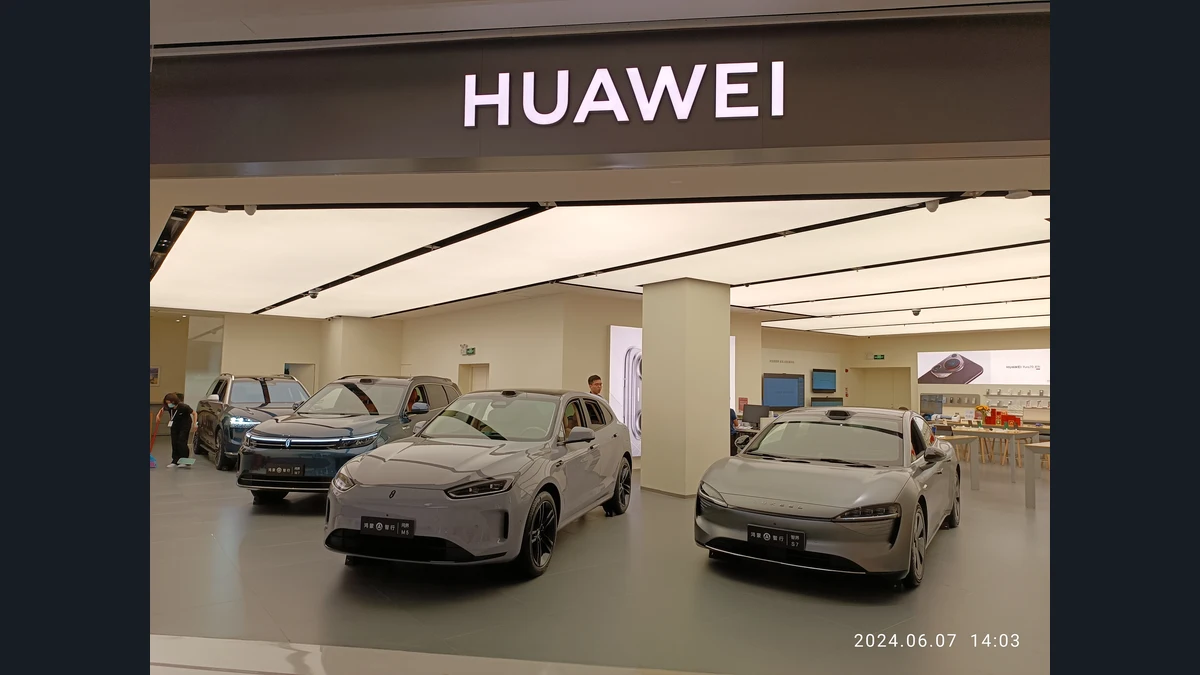
How a network in Iran became a banking case
The second thread runs through a company called Skycom. According to the Justice Department, Huawei portrayed Skycom as an independent business partner when it was actually wholly owned. Prosecutors said that the arrangement was used to supply turnkey telecommunications networks in Iran. The distinction between an outside partner and part of the same business mattered for banks deciding whether to handle transactions and assessing their exposure to US sanctions.
The point is easier to see if one follows the money separately from the equipment. Telecommunications hardware can be delivered outside the United States while a related dollar transaction passes through a financial institution in the country. The route taken by a payment need not resemble the physical route taken by an antenna. In the government's account, the representations made to banks obscured the relationship that would have helped them understand the operations they were servicing.
Why the verdict is not all or nothing
The racketeering charge sought to bring episodes together under a US law commonly called RICO. That charge had requirements of its own. The jury could reject it while finding that the government had proved particular fraud or sanctions offenses. An acquittal on the overarching allegation does not negate the other verdicts. The reverse is equally important: the individual convictions do not turn the rejected racketeering allegation into a proven fact.
Huawei said the remaining charges lacked merit and that it would review the verdict and consider its legal steps. That is a statement of its position, not proof that an appeal has already been filed or heard. The government, for its part, published a description of its prosecution. Neither statement is a substitute for a judge's sentencing decision.
What to watch for at sentencing
The defendants included Huawei Technologies, Huawei Device, Futurewei Technologies and Huawei Device USA. The latter two are US subsidiaries. The offenses reported across the case included fraud and conspiracy offenses, sanctions violations and money laundering conspiracy. When reading a summary of the proceedings, the important word is “across”: the full list is not a list of identical convictions for each company.
Fines, forfeiture and restitution are different financial consequences. A fine is punitive; forfeiture may reach proceeds; restitution addresses losses. A report naming all three possibilities is not reporting an amount already payable and cannot be used to calculate one. The September hearing matters because it is the judge, not the press releases from either side, who will determine the penalties. For consumers, there is a simpler boundary: the verdict concerns corporate conduct. Neither announcement reports a recall of Huawei handsets or a change in the way a customer's existing phone works.
Image credits. Context photographs resized, framed with margins and converted to WebP without cropping. HoweyYuan / Wikimedia Commons (CC BY-SA 4.0); Romanic Mira Angela / Wikimedia Commons (CC0).
Sources for this story
Original documents are linked in the article.
Becoartes - Beco do Batman
99 Gonçalo Afonso Street, Vila Madalena, São Paulo