The direct answer is that the *60 Minutes* report presented deaths associated with kratom and questioned the political influence of its industry, while federal sources confirm risks of dependence, seizures, liver injury and contamination. That does not mean every death in which the substance was detected was caused by kratom alone. Human clinical research remains limited, FDA has approved no medical use, and natural products should not be treated as equivalent to concentrated 7-hydroxymitragynine (7-OH) formulations.
What 60 Minutes reported
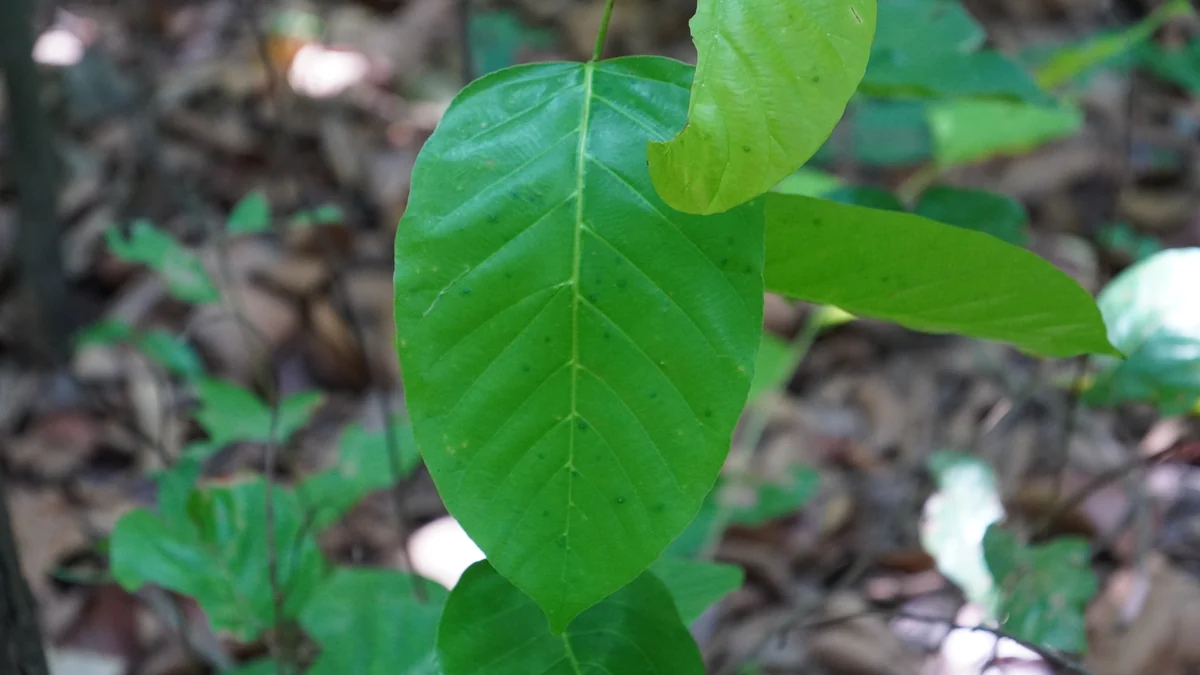
The CBS News report interviewed four families whose sons used kratom before they died. According to the program, the deaths of Matthew Eppard and Joe Chamberlain were attributed to mitragynine, kratom’s main alkaloid. In the cases of Daniel Bregger and Wyatt Wheeler, the recorded causes included mitragynine together with prescription or over-the-counter medications.
The program also interviewed experts who warned about addiction and deaths and examined the American Kratom Association’s political activity. The association, in turn, told CBS that natural kratom should be distinguished from chemically manipulated products. The Department of Health and Human Services denied that political contributions or outside pressure influenced its decision on 7-OH limits, according to the response reproduced by the network.
These accounts have journalistic value and show tangible consequences for families. But four stories and interviewees’ opinions do not replace clinical studies capable of measuring frequency, dosage, causation and interactions with other substances.
What kratom is and why its effects vary
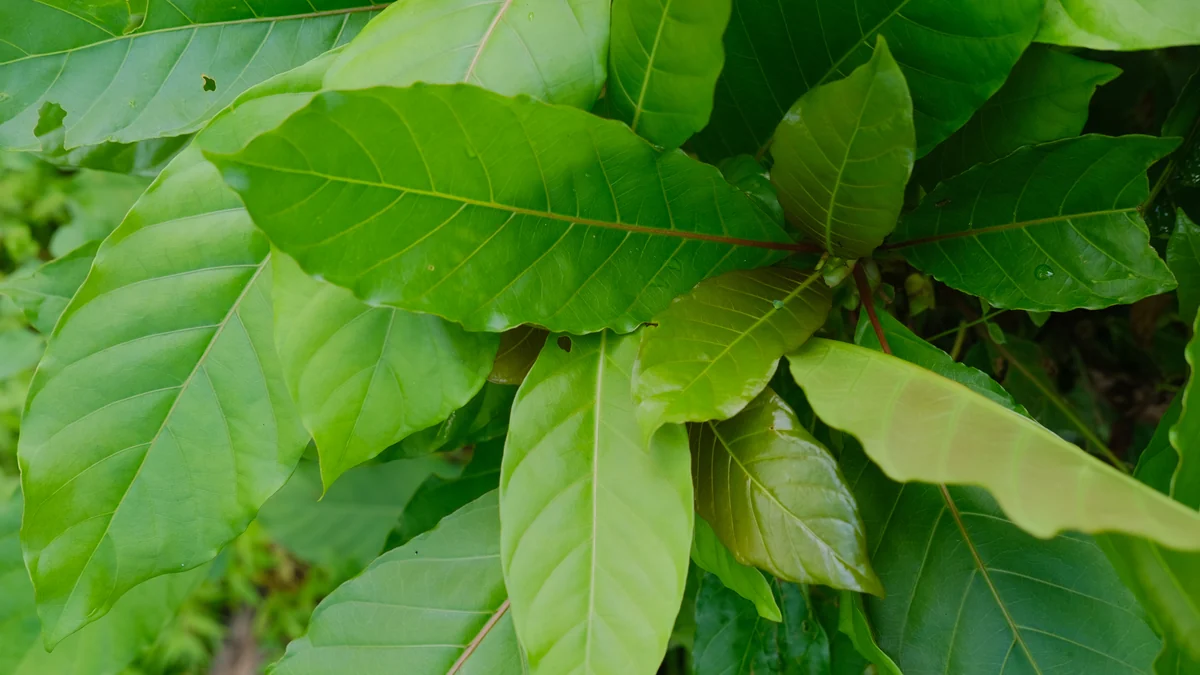
Kratom is the common name for *Mitragyna speciosa*, a tropical Southeast Asian tree in the coffee family. According to the National Center for Complementary and Integrative Health (NCCIH), its leaves have traditionally been chewed or prepared as tea. Users report both stimulant-like effects—energy, alertness and rapid heart rate—and opioid- or sedative-like effects, including relaxation, pain relief and confusion.
Two components, mitragynine and 7-OH, interact with opioid receptors in the brain. FDA says 7-OH occurs naturally in a small proportion of the leaves, accounting for less than 2% of their total alkaloid content, but has substantially greater potency at the mu-opioid receptor than mitragynine. “Kratom” therefore does not necessarily describe comparable products: leaves, powders, extracts and enriched formulations may have different compositions.
This distinction does not automatically make botanical material safe. It simply avoids assigning the concentration or risk profile of a manipulated product to every leaf without composition data.
Documented risks and the evidence’s limits
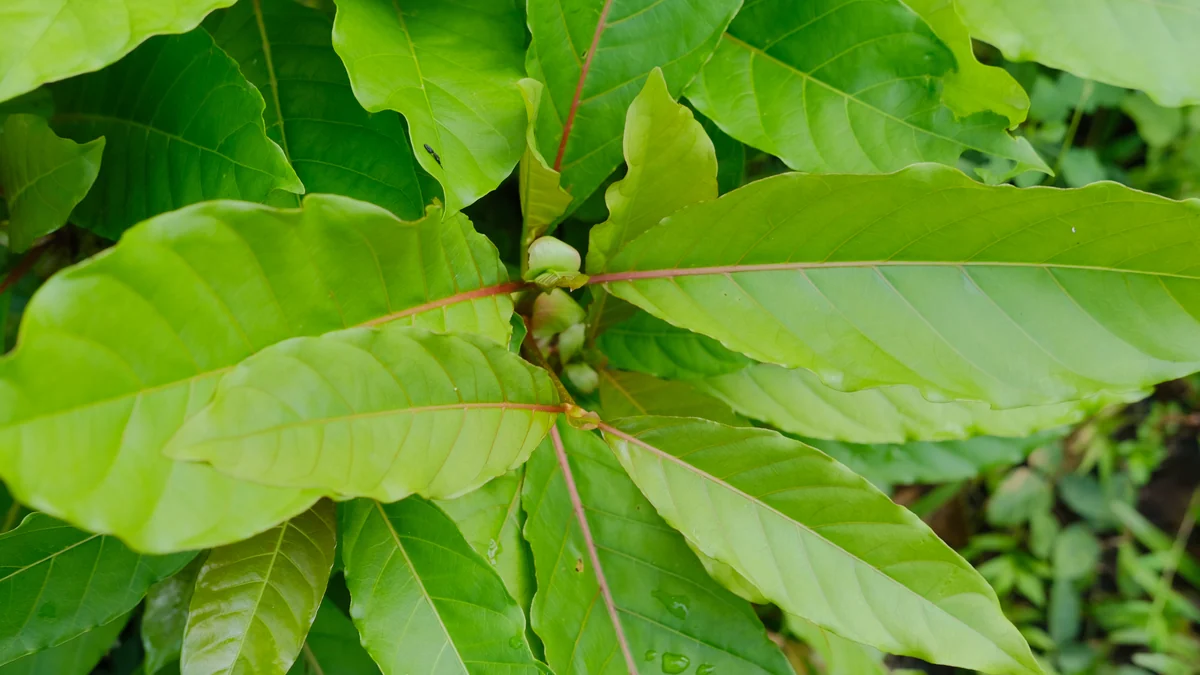
The FDA warns consumers not to use kratom because of the risk of serious adverse events, including liver toxicity, seizures and substance use disorder. The agency describes cases involving craving, tolerance, use in larger amounts or for longer than intended, and withdrawal symptoms.
NCCIH also lists nausea, constipation, dizziness and drowsiness, as well as rarer serious events. Products contaminated with heavy metals or disease-causing bacteria add a risk that does not depend solely on the plant’s alkaloids. FDA has issued warnings about products containing *Salmonella* or concerning levels of heavy metals.
Causation in deaths requires care. FDA says deaths have rarely been associated with use and that other drugs were usually involved, making kratom’s contribution unclear. NCCIH says fatal overdoses from kratom alone appear extremely rare, while combinations with other substances have been linked to deaths and severe effects. This does not negate the two cases CBS described as attributed only to mitragynine; it shows that individual cases and the broader evidence answer different questions.
A claimed benefit is not a proven treatment
Some people self-administer kratom for pain or opioid withdrawal symptoms. So far, however, NCCIH says it has not been shown safe and effective for these or any other medical uses. Few well-designed human studies exist, and short- and long-term effects have not been adequately characterized.
FDA says no prescription or over-the-counter drug containing kratom or its alkaloids is legally marketed in the United States. The agency would assess a future application using scientific data, but it continues to warn against medical use until safety and effectiveness are demonstrated.
Reports of improvement therefore do not establish clinical efficacy; likewise, the absence of definitive answers does not mean an absence of risk. Anyone considering kratom for pain, dependence or withdrawal should discuss care decisions with a health professional instead of replacing proven treatment with an unapproved product.
How US regulation works
The federal picture combines commercial availability with a lack of approval. According to FDA, kratom cannot lawfully be marketed as a drug, dietary supplement or conventional-food additive. The agency acts against unapproved products, misleading claims and unlawfully marketed goods, while acknowledging that a fragmented network of physical and online sellers makes enforcement difficult.
At the same time, NCCIH says kratom and its compounds are not federally scheduled controlled substances, although DEA lists kratom as a “drug of concern.” States may impose their own rules or prohibitions; FDA recommends checking with state health and law-enforcement authorities. A product’s presence on a store shelf therefore does not demonstrate federal approval, safety, purity or effectiveness.
The safest way to read the report
The conclusion supported by the sources is not that every product carries the same risk or that positive testimonials prove benefit. It is that recognized risks, substantially different products sold under one name and major research gaps coexist. Labels such as “natural,” “supplement” or “like coffee” do not resolve those uncertainties.
When assessing a claim, ask which product was used, whether it contained concentrated 7-OH, what other substances were present and whether the conclusion came from toxicology, a clinical study or personal testimony. Official pages should also be rechecked because federal and state measures can change. This article addresses the United States only and should not be read as a description of rules in other countries.
Discover Becoartes
Visit [Becoartes](https://becoartes.com/) at Rua Gonçalo Afonso, 99, Vila Madalena, São Paulo.
Becoartes - Beco do Batman
99 Gonçalo Afonso Street, Vila Madalena, São Paulo