São Paulo’s Museum of Sexual Diversity is located inside República Station, in the city center, with access from the Red and Yellow subway lines. According to the museum, a regular visit does not require a ticket. Because hours, exhibitions, and procedures may change, check the official pages before leaving—especially since different pages on the website provide different Rua do Arouche references.
More than an attraction located in the subway, the MDS offers a way to examine how language, photography, documents, and institutional conservation contribute to LGBTQIA+ memory. A rewarding visit can be organized in three layers: the historical narrative of “Pajubá,” Alice Oliveira’s photographic testimony, and the museum’s ongoing preservation work.
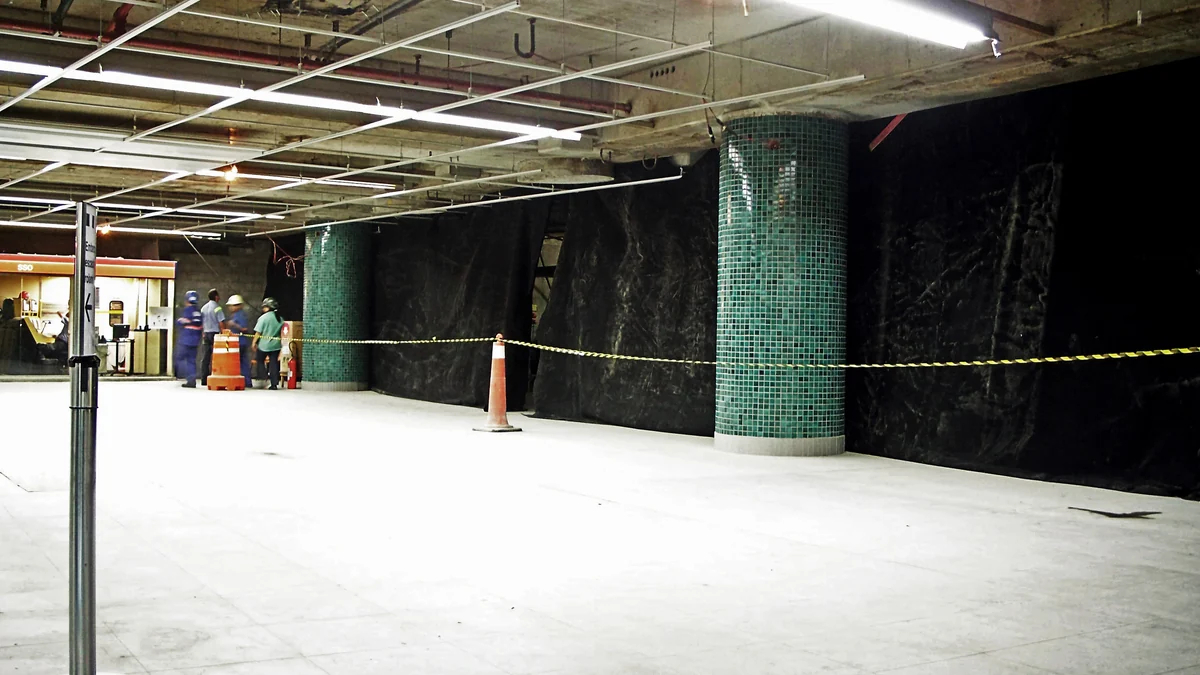
How to enter a museum inside a station
The unconventional location requires some attention. The MDS Museology and Collection page says the museum is inside República Station and can be reached through Line 3–Red and Line 4–Yellow. For visitors arriving by taxi, ride-hailing service, motorcycle, or car, it lists Rua do Arouche, 24; the museum has no parking for cars or motorcycles and no bicycle rack.
The service information for the “Pajubá” exhibition, however, lists Rua do Arouche, 299. Given this discrepancy between two official pages, use República Station as the main landmark and confirm the entrance on the museum website before visiting. The source lists opening hours as Tuesday through Sunday, 10 a.m. to 6 p.m., with Monday closing and no ticket required. These details are subject to change.
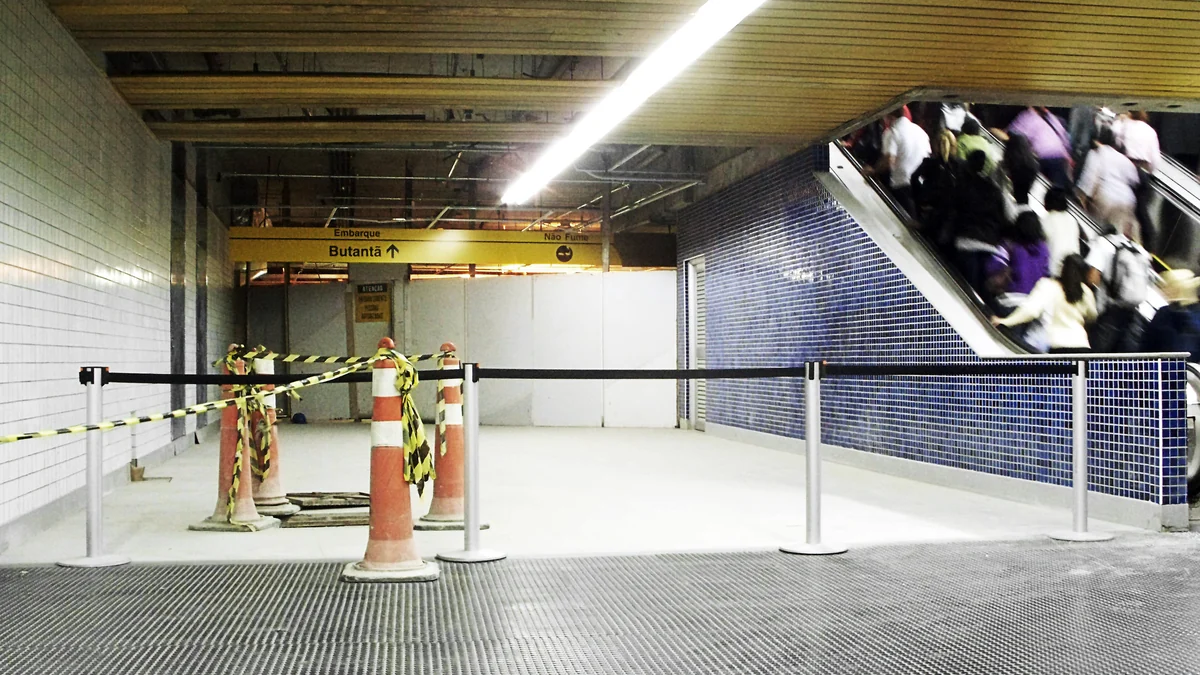
Free admission, guided visits, and planning
An independent visit is described as free and requiring no reservation. There are two options for an educator-led experience. Walk-in educational visits are advertised from Tuesday to Friday at 4 p.m., and on Saturdays and holidays at 11 a.m. and 4 p.m., for up to nine people; visitors should ask at reception.
Groups of 10 to 40 participants must book. The activity lasts one hour, is free, and is confirmed only after contact from the education team. Since availability, schedules, and rules may change, consult the official calendar before organizing a group. The infrastructure page also states that, for certain formats, visitors collect a numbered pass upon arrival.
First layer: interpreting “Pajubá”
The exhibition “Pajubá: a hora e a vez do close” combines historical documents and contemporary art. Its prologue relates the museum to República, described by the institution as a central territory in São Paulo’s LGBTQIA+ life. The narrative then unfolds through gender and sexuality, struggles, and LGBTQIA+ culture.
The first section revisits persecution during the first three centuries of colonization and mentions Tibira do Maranhão, Felipa de Sousa, and Xica Manicongo. The second follows organizations, public advocates, allies, Pride parades, and the impact of the AIDS epidemic from the mid-20th century onward. The third addresses artistic production, trans embodiment, gender models, affection, and erased memories.
The title provides a critical key: the museum presents Pajubá as a language created by Brazilian travestis and used as resistance. Importantly, the exhibition does not reduce it to an isolated curiosity; it connects the language to the historical conditions that made creating codes a strategy for survival and existence.
Second layer: photography as a document
The Alice Oliveira Archive exhibition brings together 30 photographs as well as documents, negatives, and audiovisual records associated with more than four decades of the photographer and activist’s work. Its scope encompasses feminist, lesbian, and LGBTQIA+ movements in Brazil and Latin America.
Instead of looking only at aesthetic composition, try to identify meetings, demonstrations, and forms of collective organization. Curator Pedro Vieira approaches these images as documents capable of reconstructing histories often excluded from official records. This perspective prompts questions about who took the pictures, who was able to become visible, and which networks enabled the material to survive.
The page advertises free admission and free tickets issued through Sympla, unlike the general guidance that no ticket is required. Confirm whether the exhibition is still running and whether any dedicated ticket remains necessary.
Third layer: work that continues beyond the gallery
A visit becomes richer when it accounts for what is not displayed on the walls. The Museology and Collection team coordinates registration, research, and preventive conservation. It also evaluates proposed donations—including artworks, photographs, documents, and magazines—with the museum’s Cultural Advisory Council before the relevant state procedures.
The museum says its Research and Reference Center works with bibliographic, audiovisual, physical, and digital collections. Preservation therefore means more than storing objects: it involves documenting them, researching their provenance, establishing criteria, and creating conditions for access. This infrastructure transforms scattered memories into a heritage resource that can be consulted.
Accessibility and what to confirm before leaving
The institutional page lists a ramp, an elevator for priority visitors accessed from Praça da República, an all-gender restroom adapted for people with motor disabilities, and lockers for backpacks. It also says that support for people with hearing or visual disabilities requires advance booking; people with epilepsy should heed warnings concerning visual stimuli. The text further states that the team is trained to assist autistic people and their families.
The MDS records one important restriction: animals, including guide dogs, would not be admitted because of subway rules. As this directly affects access rights and may be revised, confirm it beforehand with both the museum and the transit operator. Before setting out, verify the program, hours, entrance point, reservation requirements, and accessibility resources on the official pages.
Continue your cultural journey through São Paulo
After exploring the layers of memory at the MDS, discover Becoartes at Rua Gonçalo Afonso, 99, Vila Madalena. Check its official website before visiting.
Becoartes - Beco do Batman
99 Gonçalo Afonso Street, Vila Madalena, São Paulo