Applying to become a NASA astronaut requires US citizenship, specific higher education, qualifying professional experience or flight hours, and the ability to pass the long-duration flight astronaut physical. On November 9, 2026, NASA’s official page said applications were open until December 3 at 11:59 p.m. EST. Applicants should nevertheless confirm the deadline and open the active announcement through NASA’s own link: the general USAJOBS astronaut search displayed no vacancies when checked on the same date.
Who can apply
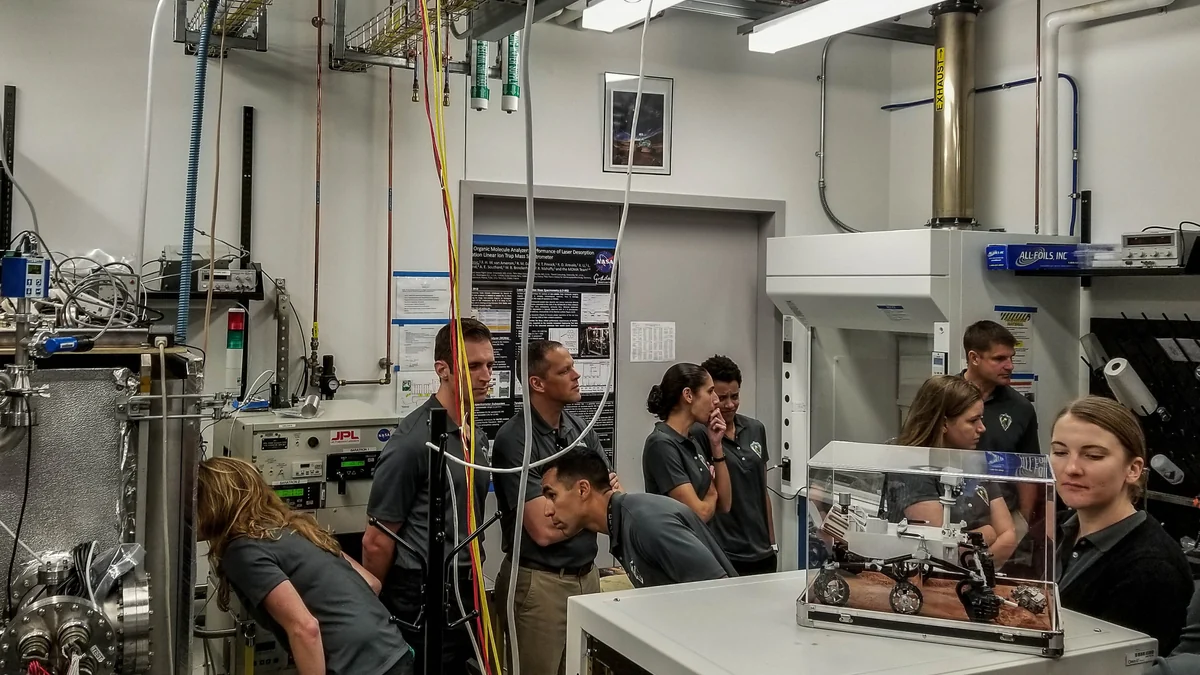
NASA identifies four central conditions. First, an applicant must be a US citizen. Second, the applicant must hold a master’s degree in a STEM field—engineering, biological science, physical science, computer science, or mathematics—from an accredited institution.
The education requirement may also be met through two years of work toward a related STEM doctoral program; certain medical degrees, including Doctor of Medicine, Osteopathic Medicine, Physician Assistant, Doctor of Nursing Practice, and Family Nurse Practitioner; or completion of a nationally recognized Test Pilot School program. Current enrollment in the last category also qualifies if it results in completion by July 2027.
Third comes experience. The professional route requires at least three years of related professional experience acquired after completing the qualifying degree. For medical doctors, residency time may count, and the residency must be completed by July 2027.
Pilots have separate alternatives: 750 Pilot-in-Command hours in high-performance jets; 1,500 total hours in other fixed-wing aircraft, including 750 as Pilot-in-Command; or 1,000 total rotary-wing hours, including 300 as Pilot-in-Command. Finally, every applicant must be able to complete NASA’s long-duration flight astronaut physical successfully.
Formal requirements versus valued qualities
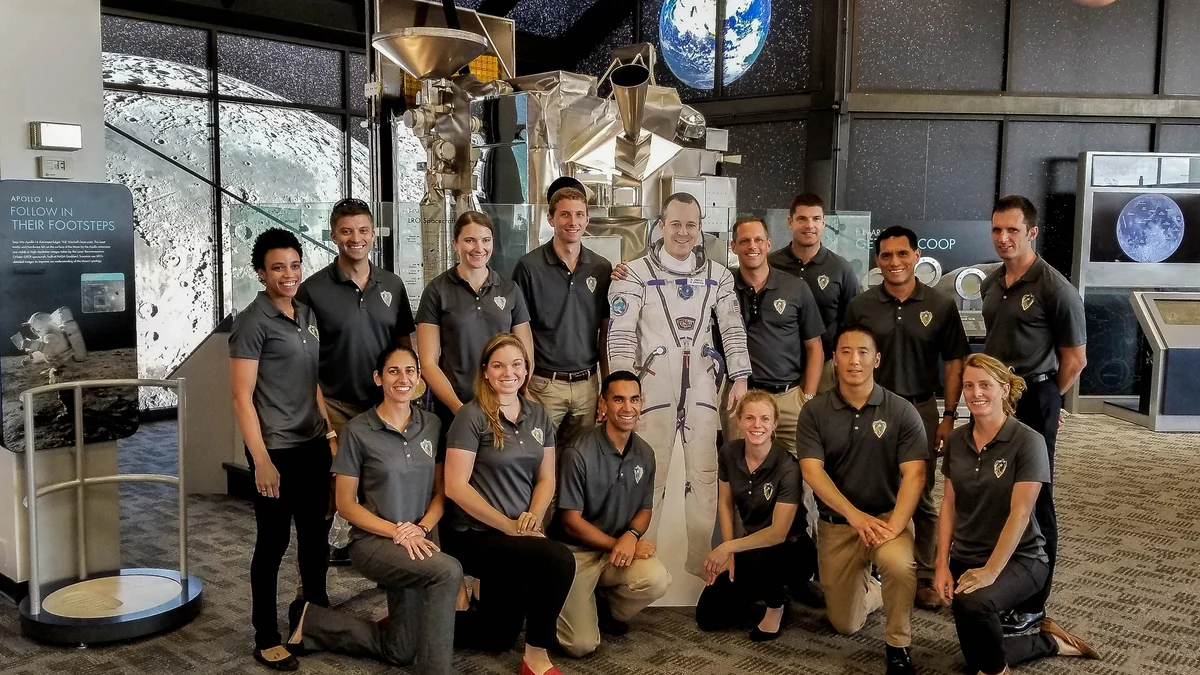
Leadership, teamwork, and communication are listed as skills astronaut candidates must have. They should be demonstrated in the application, but they do not replace citizenship, education, experience, flight hours, or medical fitness.
This distinction supports a candid self-screening process. First, label each objective condition as met, awaiting evidence, or unmet. Then select professional examples that demonstrate the three interpersonal skills. An interesting career story by itself does not cure a missing mandatory qualification.
What to prepare before starting
The source reviewed does not provide a complete document checklist. It would therefore be unsafe to assume file formats, translations, academic equivalencies, or required attachments. Use the qualifications as an index for locating evidence, then check the individual vacancy announcement for the files and fields actually required.
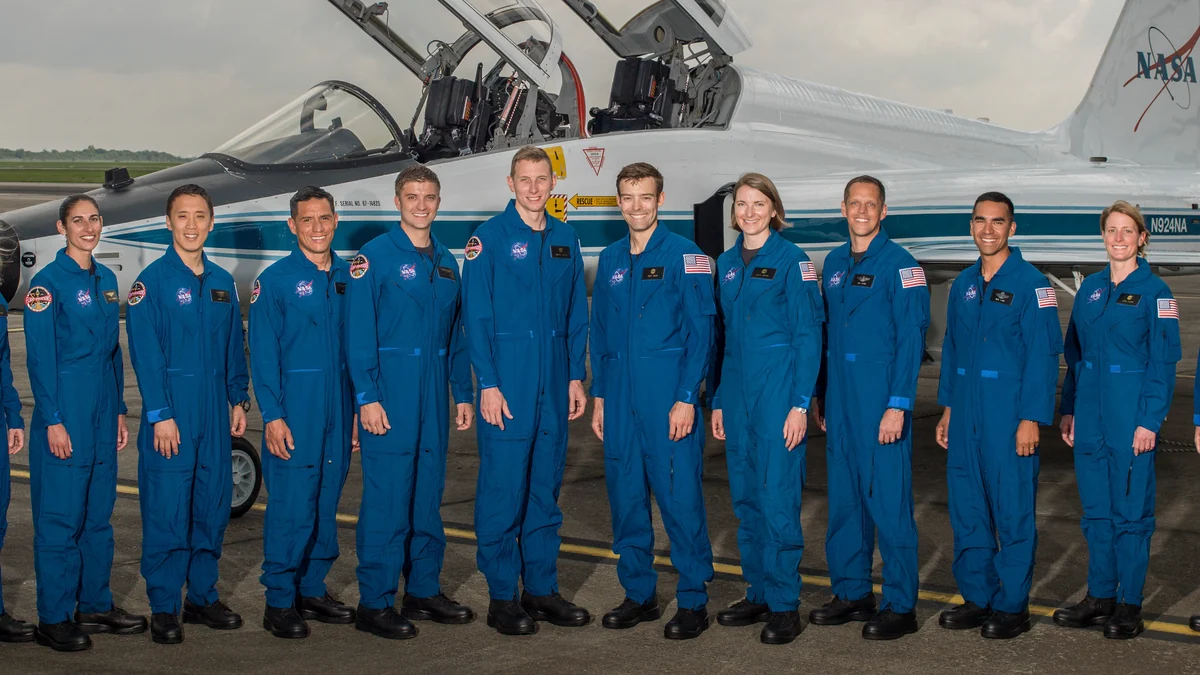
Organize information about citizenship; the institution, field, degree, and completion date of your education; post-degree experience, including duties and dates; medical residency, when applicable; and flight records separated by aircraft type and Pilot-in-Command time. Test Pilot School applicants should verify their completion status or required completion date.
Also draft concise examples of situations in which you led, collaborated, and communicated technical decisions. USAJOBS allows users to add a résumé to their profile or use its résumé builder, but that does not establish that every résumé format will satisfy this vacancy. The active announcement controls the documentation and submission method.
How the selection works
The Astronaut Selection Board reviews applications and assesses each applicant’s qualifications. A small group of the most highly qualified candidates is invited to interview at Johnson Space Center in Houston. NASA says approximately half of those interviewed are invited back for a second round. The new astronaut candidates are chosen from that group.
Submitting the form is therefore only the beginning. NASA’s general astronaut page says more than 8,000 people applied during the 2024 application cycle and ten were selected to become astronaut candidates. That comparison shows how selective the process can be, but it cannot determine anyone’s individual odds in this cycle.
What happens after selection
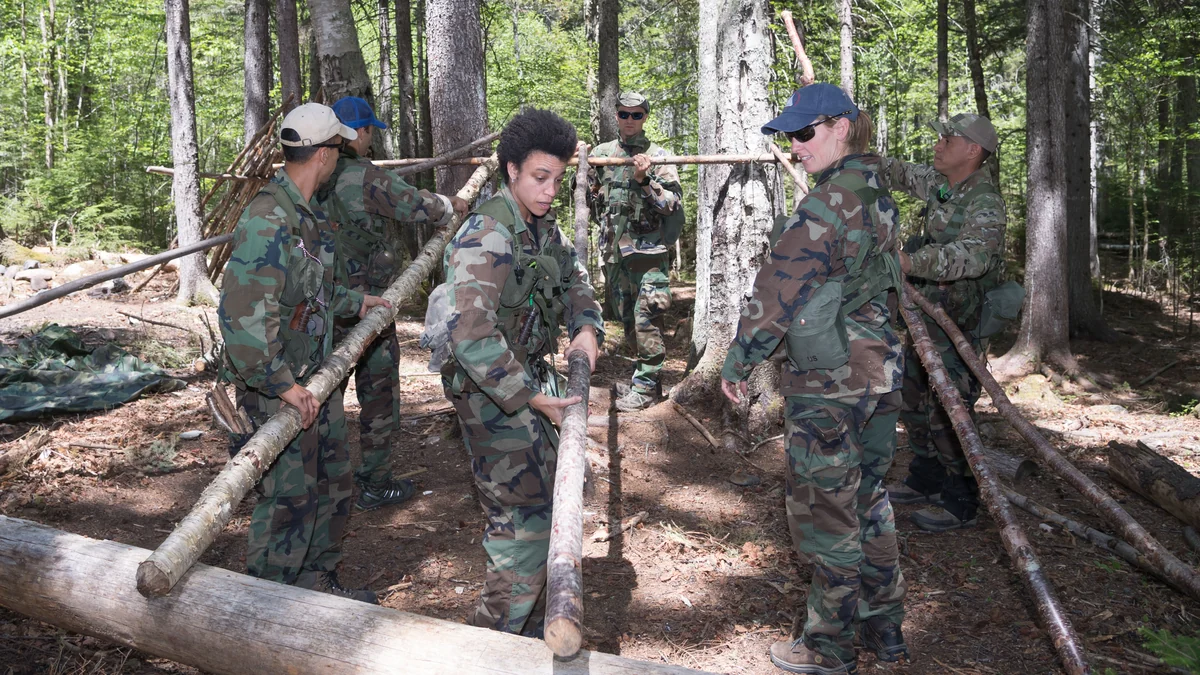
An “astronaut candidate” is someone selected for NASA’s astronaut corps who is still completing the candidacy training program at Johnson Space Center. NASA says the program lasts two years and covers basic astronaut skills such as spacewalking, operating the space station, flying T-38 jets, and controlling a robotic arm.
Selection consequently does not mean an immediate mission assignment. NASA’s astronaut page separately describes candidates in training and active astronauts who are eligible for flight assignment.
How to avoid an invalid application
Open the NASA page and follow its specific announcement link instead of relying only on a keyword search. Recheck the deadline, time zone, qualifications, submission instructions, and required documents before finishing. OPM guidance explains that government-wide federal standards are broad; specialized experience for a particular position should be stated in the hiring agency’s vacancy announcement.
Do not use the Office of the Chief Health and Medical Officer page as a self-diagnosis tool. The reviewed material identifies NASA’s medical office but does not spell out the standards for the long-duration flight physical. The practical approach is to report information accurately and treat the medical assessment as an official stage, without predicting a pass or failure.
Discover Becoartes
Visit [Becoartes](https://becoartes.com/) at Rua Gonçalo Afonso, 99, Vila Madalena, São Paulo.
Becoartes - Beco do Batman
99 Gonçalo Afonso Street, Vila Madalena, São Paulo
Sources and credits
- NASA Goddard Space Flight Center from Greenbelt, MD, USA — CC BY 2.0
- NASA Goddard Space Flight Center from Greenbelt, MD, USA — CC BY 2.0
- Robert Markowitz — CC BY 2.0
- Josh Valcarcel — Public domain
- NASA — Become an Astronaut
- NASA — Astronauts
- USAJOBS — busca oficial por astronaut
- NASA — Office of the Chief Health and Medical Officer
- U.S. Office of Personnel Management — General Schedule Qualification Standards