November 20 is Brazil’s National Day of Zumbi and Black Consciousness and, since Law No. 14,759 of December 21, 2023, a national holiday. It honors Zumbi dos Palmares and places reflection on Black resistance, racism and the Afro-Brazilian contribution to the country’s formation on Brazil’s official calendar.
The rule applies throughout Brazil. That does not mean shops, transportation, schools, museums and other services follow a single operating schedule: federal law declares the holiday but does not set the hours of each activity. Anyone planning for November 20, 2026 should consult official channels maintained by the relevant city, state, employer and service provider.
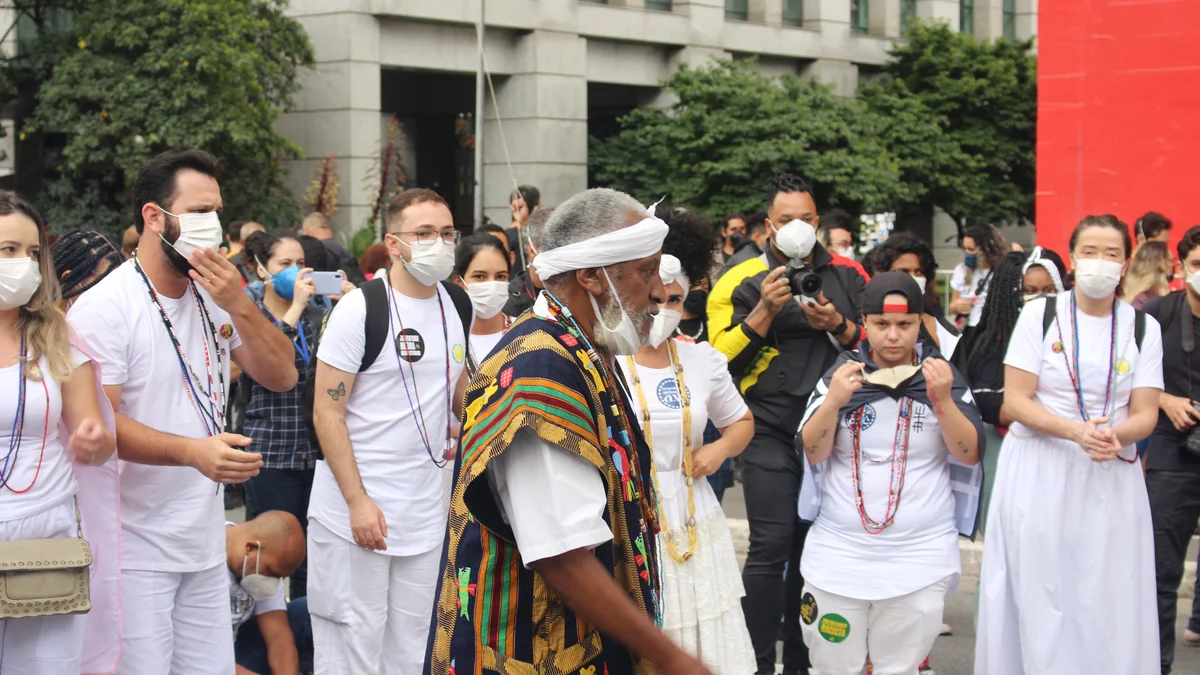
What Brazil commemorates on November 20
The official name combines two dimensions that should not be separated. “Zumbi” refers to the leader of Quilombo dos Palmares; “Black Consciousness” broadens the tribute to collective memory, Afro-Brazilian culture and the effort to confront racial inequality.
Brazil’s Chamber of Deputies presents Zumbi as a quilombo leader and describes quilombos as territories of organization, coordination and resistance to slavery. That perspective explains why the date is not limited to remembering one historical figure: it also recognizes collective forms of Black resistance.
Treating November 20 merely as a day off therefore leaves out its cultural and political meaning. The day draws attention to Afro-Brazilian history and the continuing struggle against racism.
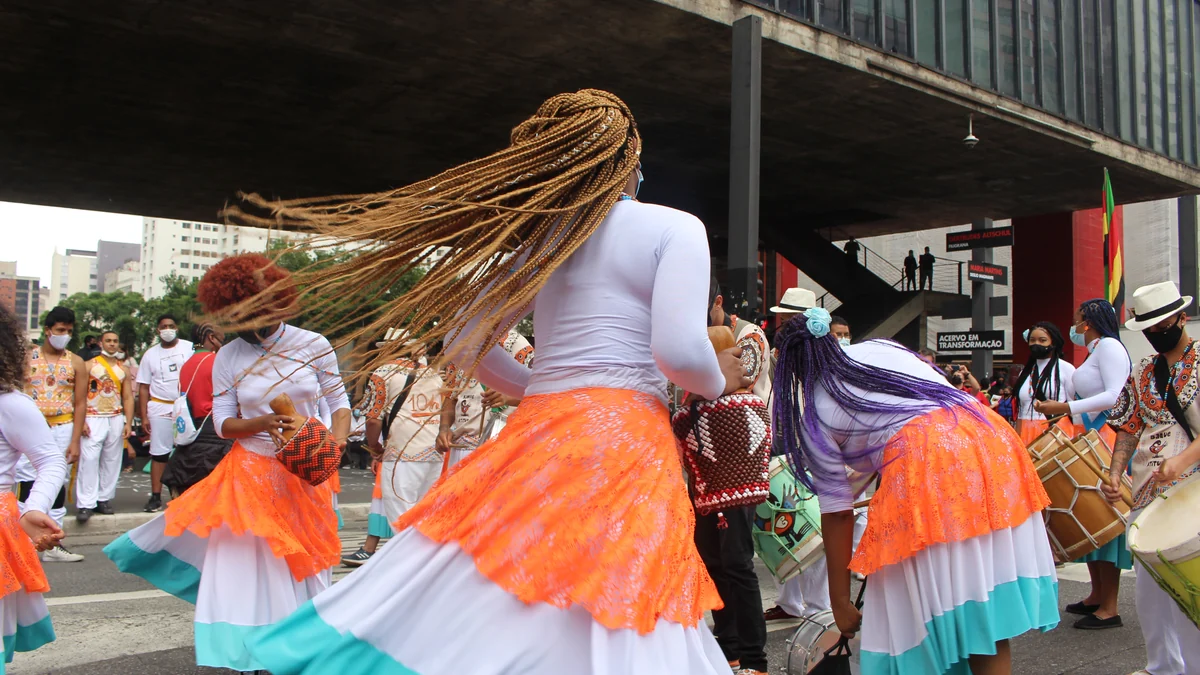
Why the date is associated with Zumbi dos Palmares
November 20 corresponds to the date of Zumbi dos Palmares’s death. According to the public archive program Memórias Reveladas, the date was adopted during the creation of the Unified Black Movement in 1978 as a landmark in the fight against racism.
This choice centers remembrance on the agency and resistance of Black people. The same archive records a 1983 march in Rio de Janeiro under the slogan “Zumbi is alive,” organized after a meeting of Black organizations in Nova Iguaçu. The march brought together thousands of people and included Abdias do Nascimento and Lélia Gonzalez.
These records show that social movements and memory initiatives shaped the date over decades. Legal recognition followed a much longer history of mobilization.
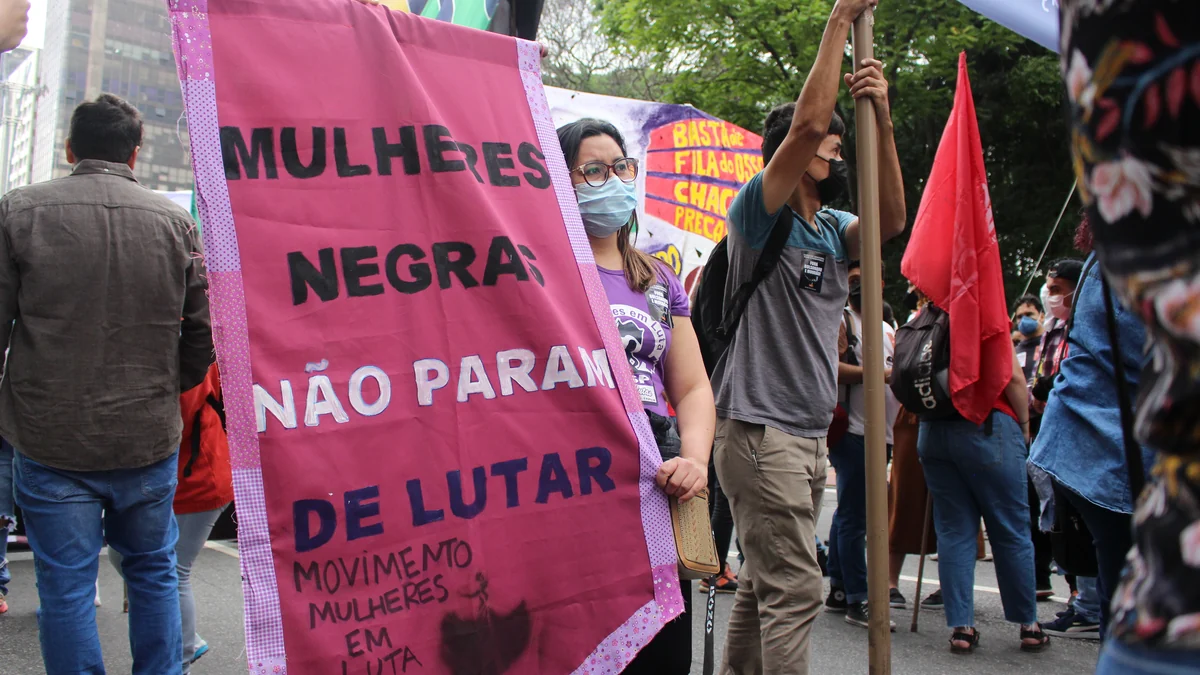
When November 20 became a national holiday
The change came with Law No. 14,759/2023, published in December 2023. Its instruction is straightforward: it declares the National Day of Zumbi and Black Consciousness a national holiday. November 20, 2024 was the first observance with that status across the country.
Before the federal law, holiday status depended on state or municipal rules. The Chamber News Agency reports that only some states and cities had adopted it. The national law standardized the date’s legal status, but not necessarily the everyday operation of every locality.
How the proposal became law
The proposal was introduced in the Senate in 2017 as PLS 482/2017 and was identified in the Chamber as PL 3268/2021. The Senate’s legislative record says it was approved by the Education and Culture Committee in 2021, sent to the Chamber and converted into Law No. 14,759 in December 2023.
The statute is also related to Law No. 12,519/2011, which had already declared November 20 the National Day of Zumbi and Black Consciousness. The decisive change in 2023 was to grant it national holiday status.
This distinction answers a common question: the national commemoration already existed, but nationwide holiday status stems from the 2023 law.
What the national holiday does—and does not—determine
Federal law confirms that November 20 is part of Brazil’s calendar of national holidays. Its text does not, however, provide bus schedules, store-opening rules, cultural programs, school calendars or opening times for public facilities.
Such information may vary according to regulations, work schedules and local decisions. For 2026, check current notices from the city government, state government, transit operator, educational institution, workplace or venue you intend to visit. The existence of the holiday does not prove that everything will be closed—or that services will run normally.
It is useful to separate two questions: “Is it a national holiday?” has a clear yes answer; “Will a particular service open?” requires specific confirmation. This prevents a federal rule from being treated as a forecast it does not make.
A form of remembrance still being developed
The holiday’s institutional recognition increases the visibility of a memory that did not begin with the law. The Palmares Cultural Foundation maintains sections devoted to Black culture, notable figures, publications, quilombola communities and Serra da Barriga. The Ministry of Racial Equality, in turn, brings together programs and projects promoting racial equality.
Exploring these public resources takes the subject beyond the calendar. On November 20, the tribute to Zumbi connects with the history of quilombos, Black movement mobilization and contemporary debate about racism and inequality. The holiday gives the date nationwide reach; its meaning comes from a collective history that long predates the statute.
Discover Becoartes
Visit [Becoartes](https://becoartes.com/) at Rua Gonçalo Afonso, 99, Vila Madalena, São Paulo.
Becoartes - Beco do Batman
99 Gonçalo Afonso Street, Vila Madalena, São Paulo
Sources and credits
- CSP-Conlutas — CC0
- CSP-Conlutas — CC0
- CSP-Conlutas — CC0
- Fundação Cultural Palmares — portal institucional para consulta sobre patrimônio e memória afro-brasileira
- Ministério da Igualdade Racial — portal institucional
- https://legis.senado.leg.br/norma/38009421
- https://www25.senado.leg.br/web/atividade/materias/-/materia/131827
- https://www.camara.leg.br/noticias/1112331-dia-nacional-de-zumbi-e-da-consciencia-negra-tem-primeiro-feriado-neste-ano/
- https://www.gov.br/memoriasreveladas/pt-br/centrais-de-conteudo/destaques/dia-da-consciencia-negra/dia-da-consciencia-negra
- https://www.gov.br/mds/pt-br/noticias-e-conteudos/Noticias/2024/pela-primeira-vez-feriado-da-consciencia-negra-e-nacional