The age-12 rating assigned to Programa do Ratinho does not automatically prevent children from watching the show at home or, by itself, force SBT to change its broadcast time. Under Brazil’s system, it identifies the age group for which the content is not recommended, sets 8 p.m. as the reference point for free-to-air television and requires clear information about the rating and content descriptors.
The show’s official SBT page displays the notice “not recommended for children under 12.” For families, the practical consequence is to use that notice — and the reasons displayed with it — when assessing the programme, rather than interpreting it as a ban on viewing at home.
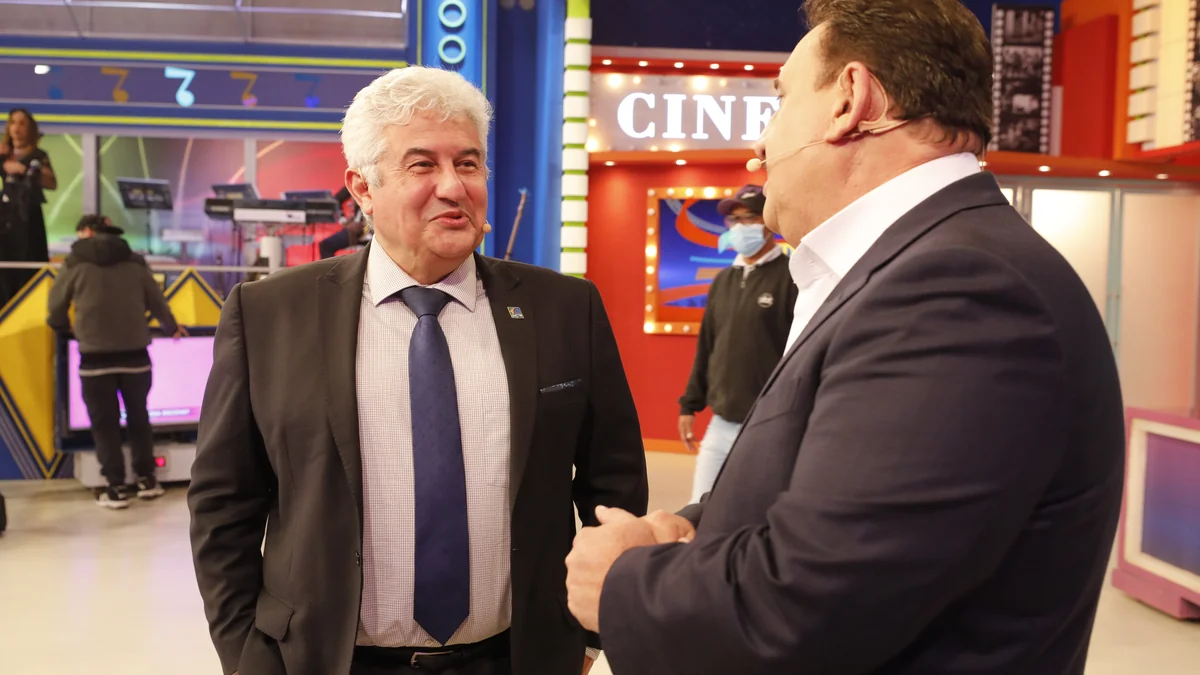
What the decision says
According to a Veja report published on November 4, 2026, Brazil’s Ministry of Justice and Public Security denied an SBT request to review the rating. The programme therefore remained in the age-12 category.
Veja, which says it examined the administrative order, attributes the rating to sexual and/or coarse language, a violent act, and verbal aggression and/or derogatory language. It also reports that the frequency and prominence of these elements were considered. Because the specific order is not among the official pages available for this article, those procedural details remain attributed to the publication.
The decision does not turn the show into prohibited content. MJSP itself says that indicative classification does not restrict the distribution of works and is not censorship.
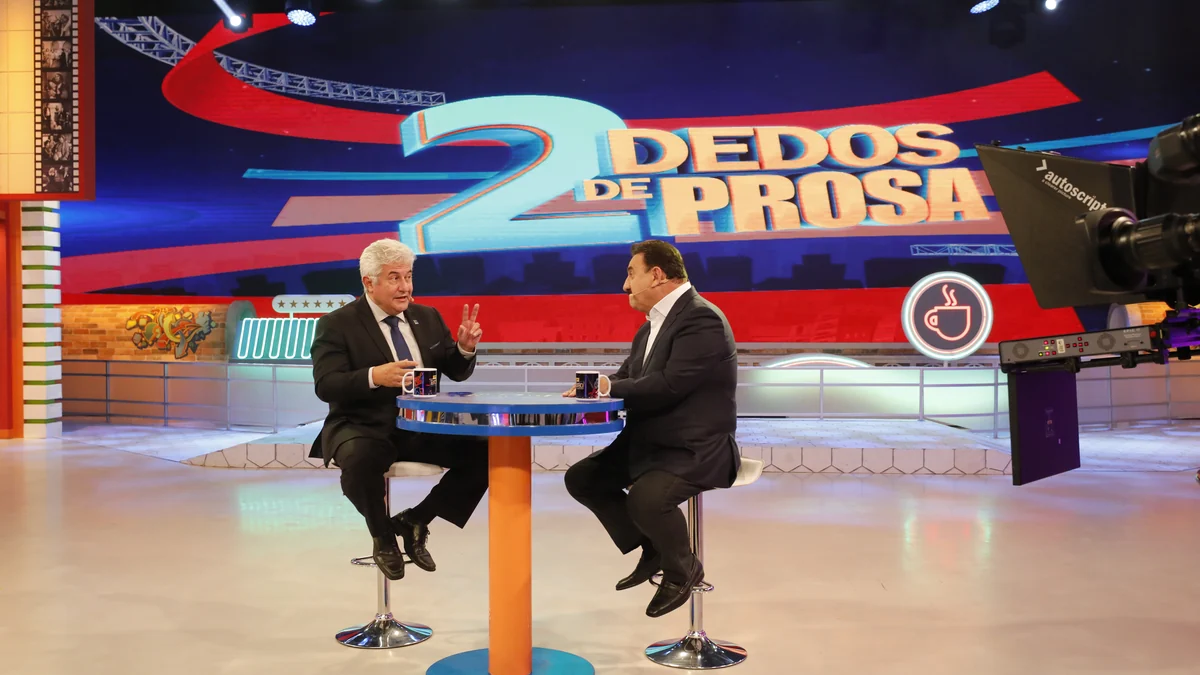
Three effects that should not be confused
| Point | Practical effect |
|---|---|
| Age-12 rating | Says the work is not recommended for people under 12; it does not create an automatic ban inside the home. |
| 8 p.m. reference | MJSP recommends broadcasting age-12 works from that time on free-to-air television. |
| Public information | The broadcaster must show the rating and descriptors so viewers know the suggested age and nature of the content. |
The distinction matters: “not recommended” does not mean “admission prohibited” or require a household television to block the programme. MJSP’s admission and adult-accompaniment rules for cinemas and public performances concern a different setting and should not be transferred to the living room.

Does the 8 p.m. reference require a schedule change?
Not automatically. In its content-rating FAQ, MJSP describes 6 a.m. to 8 p.m. as the child-protection period, with general-audience works or those rated up to age 10. The recommendation begins at 8 p.m. for age 12, 9 p.m. for age 14, 10 p.m. for age 16 and 11 p.m. for age 18.
The official wording describes a recommendation for Brazilian free-to-air television. Veja additionally reports that the decision does not require SBT to move the show and that the broadcaster may retain its schedule provided it displays the rating. The age-12 symbol alone therefore does not confirm a schedule change. Broadcast times and conditions can change and should be checked on the broadcaster’s official page.
These rules are specific to Brazil and should not be read as an explanation of television regulation in the United States, the United Kingdom, Canada or other markets.
How the notices help families decide
The number is only the system’s most visible element. Content descriptors explain which aspects contributed to the age rating and support a more specific decision. A family may decide, for instance, that a child responds differently to verbal aggression, violent acts or sexualised language.
MJSP’s Content Rating Guide says that criteria and descriptors are standardised and provides directions for displaying ratings on websites, advertisements, packaging and platforms. This is why the descriptor matters: it adds context that the number cannot provide by itself.
For adults caring for children, a useful reading of the notice involves three questions: what age is indicated, which descriptors appear and whether that content suits the child’s maturity. The rating supports that decision but does not replace family supervision.
What the broadcaster and viewer can do
For the broadcaster, the central responsibility is to display the rating and descriptors correctly. MJSP’s legislation page links the system to Brazil’s Constitution, the Child and Adolescent Statute and the ministerial rules containing the current instructions. It also warns that revoked historical material should not guide current procedures.
Viewers can watch for notices at the beginning of or during the content and consult official channels when in doubt. MJSP says that any person or organisation may submit a reasoned complaint to the ministry or bodies including a Guardianship Council, the Public Prosecutor’s Office, the courts and Conanda when it identifies a possible breach.
In short, preserving the age-12 rating reinforces the duty to inform and gives families and the broadcaster a reference. It does not ban the programme, stop minors from watching it at home or, without another measure, impose an automatic change in broadcast time.
Discover Becoartes
Visit [Becoartes](https://becoartes.com/) at Rua Gonçalo Afonso, 99, Vila Madalena, São Paulo.
Becoartes - Beco do Batman
99 Gonçalo Afonso Street, Vila Madalena, São Paulo
Sources and credits
- Ministério da Ciência, Tecnologia e Inovações from Brasília - DF, Brasil — CC BY 2.0
- Ministério da Ciência, Tecnologia e Inovações from Brasília - DF, Brasil — CC BY 2.0
- Ministério da Ciência, Tecnologia e Inovações from Brasília - DF, Brasil — CC BY 2.0
- MJSP — perguntas frequentes sobre classificação indicativa e horários recomendados
- MJSP — Guia de Classificação Indicativa
- MJSP — legislação da classificação indicativa
- SBT — página oficial do Programa do Ratinho
- Veja — despacho manteve a classificação de 12 anos