Joining the fan chants and hearing the encore does not require giving up hearing protection. A practical strategy combines well-fitted earplugs, distance from speakers, breaks in quiet areas and attention to warning signs after the event. This applies to the concert, music played before the group enters and any after-party: exposures add up.
There is no universal number of minutes that makes every concert safe. Risk depends on the intensity, duration and frequency of exposure. A tour or arena should not be assigned a sound level without measurement. The guidance below translates institutional recommendations into the context of fandom without replacing professional assessment.
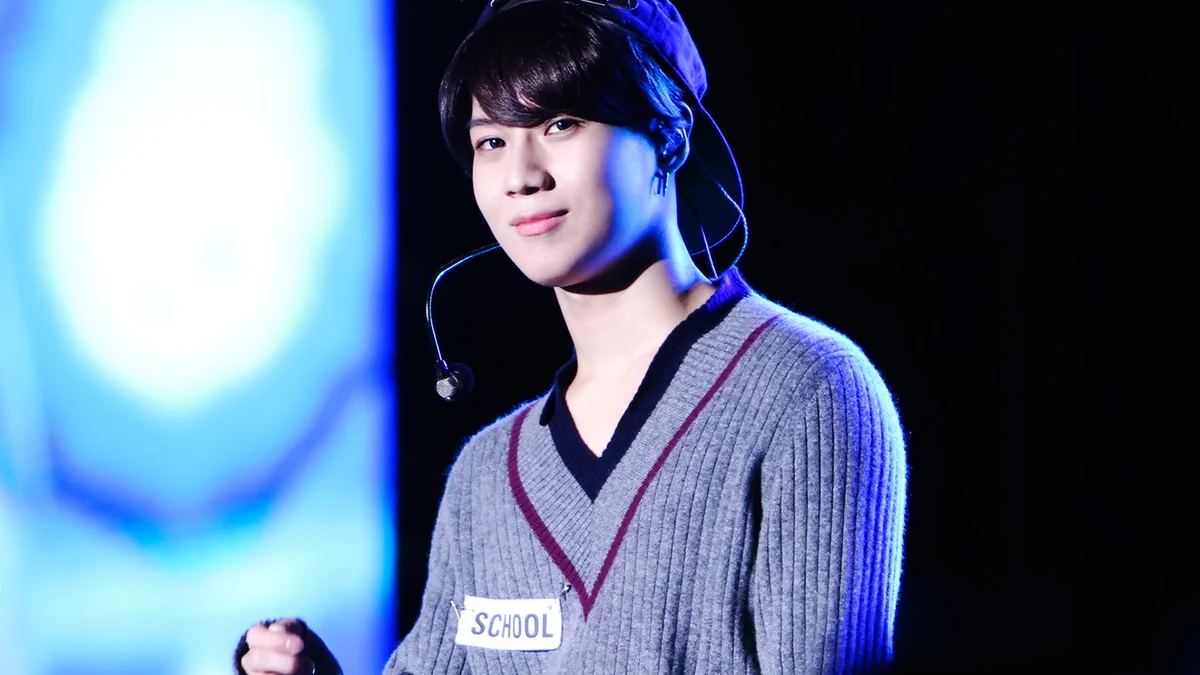
Why one night deserves a plan
WHO estimates that more than one billion young people are at risk of hearing loss because of recreational sound exposure. Its global standard for venues and events with amplified music sets out six features intended to protect hearing without removing the artistic experience. Responsibility therefore does not rest only with the ticket holder: organizers and sound operators can also support safer listening.
The central rule is: the more intense and prolonged the sound, the greater the risk. WHO’s weekly reference falls from 40 hours at 80 dB to four hours at 90 dB. These figures demonstrate the relationship between intensity and time; they are not measurements of a particular concert or individual guarantees.
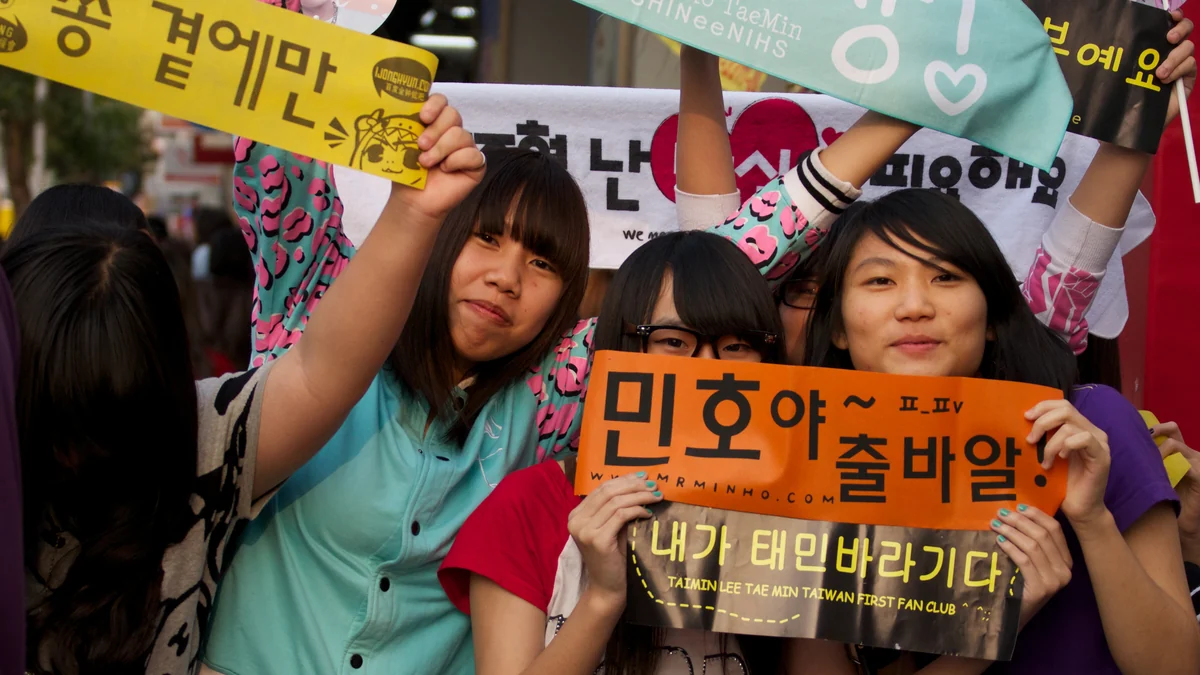
Choose and test your protection
Bring earplugs and test the fit at home. Foam plugs, protectors covering the outer ear and custom-made models are categories cited by WHO. Comfort, fit and consistent use matter; no option removes all risk.
To insert a foam plug, WHO advises compressing it between the fingers, pulling the ear up and back, inserting it to a comfortable depth and holding it until it expands. Do this before the music. If it hurts, remains loose or requires constant adjustment, do not force it.
Models intended for music may appeal to people seeking greater clarity, but the consulted sources neither compare brands nor promise sound fidelity. Do not treat informal fan recommendations as certification.
Protect both ears and keep the fan chants
A protector reduces the intensity reaching the ear; it does not prevent lightsticks, choreography or collective responses. Rehearsing the fan chant beforehand reduces dependence on audio cues. Friends can also agree on visual signals for choruses, breaks and moving around.
Avoid removing one plug to “hear better” during a favorite song: that leaves one ear unprotected during exposure. If the sound seems muffled or uneven, move to a calmer area and adjust both sides.
Distance matters too. NIDCD explains that sounds that are too intense, close or prolonged can damage sensitive structures in the inner ear. When noise cannot be reduced, it recommends protection or moving away. Staying away from speakers and amplifiers is therefore a concrete measure.
Plan the break before the encore
In noisy environments, WHO recommends resting the ears in a quiet place for ten minutes after every hour. Identify where you may be able to get away from the sound and check the venue’s official channel for current circulation and re-entry rules. Do not assume corridors, restrooms or outdoor areas will always be quiet or accessible.
If the encore is the priority, schedule the break before it instead of waiting for discomfort. Interludes and videos still count as exposure when the sound system remains loud. A break serves its purpose only in a genuinely quieter environment.
Apps can estimate the surrounding level but do not provide a safety certificate. WHO also suggests an informal check: if you need to raise your voice to be heard by someone an arm’s length away, the environment is too loud.
Recognize warning signs after the concert
Muffled hearing, ringing or buzzing may follow intense sound. According to WHO, these effects frequently improve, but repeated or prolonged exposure can cause permanent damage. NIDCD adds that noise-induced hearing loss may be immediate or emerge gradually, in one or both ears.
Persistent tinnitus, difficulty hearing high-pitched sounds or following conversations—especially in noisy environments—warrant a hearing assessment. Consult a professional instead of treating fan accounts as a diagnosis. On the way home, turning up headphones adds exposure to what has already accumulated.
Protection does not depend only on the fan
In occupational settings, CDC/NIOSH prioritizes reducing noise at its source and includes personal protection within a broader program. Because the page concerns workplaces, its limits do not certify concert safety. The applicable lesson is that environmental control, time management and personal protection complement one another.
Before the event, seek official information about safe-listening policies, ear protection and rest areas; if nothing is published, ask the organizer. Arrive with tested protection, move away from sound sources, keep both ears protected and reserve time for a break. The fan chant can then remain an act of participation without making hearing at future performances the price of one night.
Continue the conversation at Becoartes
After planning your next concert, visit Becoartes at Rua Gonçalo Afonso, 99, Vila Madalena. Check current information on the [official website](https://becoartes.com/) before visiting.
Becoartes - Beco do Batman
99 Gonçalo Afonso Street, Vila Madalena, São Paulo
Sources and credits
- 위드태민::WithTaemin随行 — CC BY 4.0
- Joseph Ferris III from On a Ship — CC BY 2.0
- OMS — padrão global para locais e eventos com música amplificada (URL oficial candidata; não consultada nesta resposta)
- OMS — perguntas e respostas sobre surdez e perda auditiva (URL oficial candidata; não consultada nesta resposta)
- CDC/NIOSH — prevenção da perda auditiva causada por ruído (URL oficial candidata; não consultada nesta resposta)
- NIDCD/NIH — perda auditiva induzida por ruído (URL oficial candidata; não consultada nesta resposta)