The confirmed fact is objective: the festival takes place on August 22 and 23, 2026, at Parque Ibirapuera, and dedicates its first edition to Brazilian rock from the 1980s. The official program places Plebe Rude, Paulo Ricardo, Titãs, Paralamas do Sucesso, and, closing Saturday night, a tribute to Rita Lee led by Beto Lee, with Alice Caymmi, Baby do Brasil, Catto, Fernanda Abreu, Letrux, Marina Sena, Miranda Kassin, and Sandra Sá. Interpretation begins after that: why does an artist who crossed rock, pop, television, humor, intuitive feminism, and the record industry still trigger search interest in an environment dominated by algorithms, branded festivals, and programmed nostalgia?
The answer does not fit into one word. Rita Lee became a trend because her work refuses to stand still. It is archive, but also method. It is memory, but also a tool for artists who need to sing desire, irony, autonomy, exhaustion, and freedom without asking permission to sound solemn.
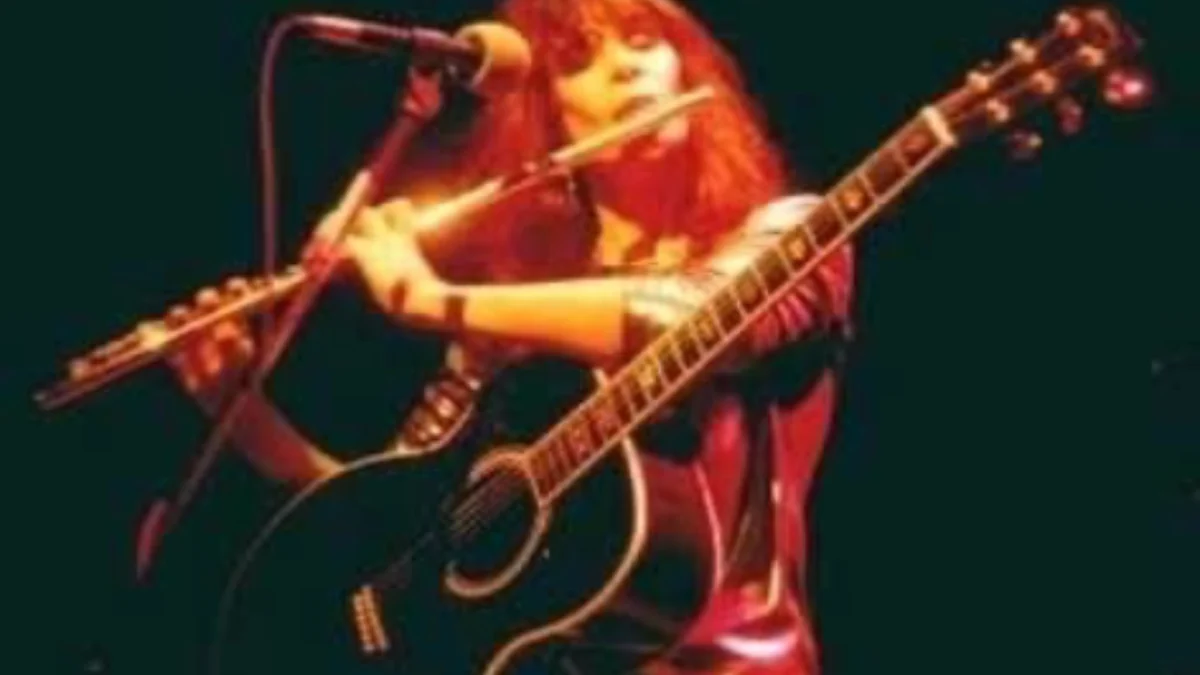
The Fact of the Day: an Active Trend and a Stage in São Paulo
The connection with the calendar is direct. The official C6 no Rock website states that the festival occupies Parque Ibirapuera on August 22 and 23, 2026. Its stated proposal is to revisit Brazilian rock from the 1980s “through the lenses of the present and the future,” with albums and tributes that marked the country’s cultural identity. On Saturday, the closing act is “Meu sonho é ser imortal,” a tribute to Rita Lee by Beto Lee, with musical direction by Danilo Santana and artistic direction by Otavio Juliano.
Folha de S.Paulo also registered the festival as a nostalgic weekend at Ibirapuera, highlighting the logic of classic albums and the tributes to Rita Lee and Cazuza. Guia da Folha reinforced the first edition’s frame: Titãs, Paralamas, Blitz, Ira!, Plebe Rude, Paulo Ricardo, Marina Lima, Dado Villa-Lobos, and Marcelo Bonfá orbit an idea of the 1980s that is not only sonic, but historical. Eventim confirms dates, location, and ticket sales, as well as Saturday’s presentation at Parque Ibirapuera.
What is known, therefore, is enough to treat the trend as a cultural story and not as noise. Rita Lee’s name rose in searches on the day of a major tribute, within a festival that turns archival repertoire into public spectacle. The editorial interpretation is that the interest is not limited to nostalgia: it points to a dispute over which artists remain authorized to narrate Brazilian pop.

Why Rita Lee Still Does Not Fit the Word Nostalgia
Nostalgia tends to simplify artists. It rounds off conflicts, turns risk into decoration, and sells the past as comfort. Rita Lee resists that treatment because her work always carried a friction zone. Even when it was radio-friendly, humorous, or apparently light, it carried a particular way of facing desire, body, marriage, fame, aging, television, drugs, the market, and moral censorship.
That is why a tribute to Rita Lee cannot be read only as a posthumous homage or a generational reunion. It also asks what current Brazilian music does with her legacy. In Rita, pop was never synonymous with submission to average taste. Humor did not cancel intelligence. Sensuality did not depend on male authorization. Lightness did not exclude thought. That combination remains rare.
In the context of 2026, this permanence gains another layer. The music industry is organized around ever shorter slices of attention, chorus fragments, vertical videos, viral moments, and niche identities. Rita Lee belongs to an earlier generation, but her work seems made to circulate in this environment without losing density. Her choruses are recognizable, her personas are clear, her iconography is strong, and her writing speaks to meme culture without being reduced to a joke.
The C6 no Rock tribute makes precisely this movement visible. The chosen cast brings together artists with different trajectories, from Baby do Brasil to Marina Sena, from Fernanda Abreu to Letrux, from Sandra Sá to Alice Caymmi. It is not a neutral list. These are voices that, each in their own way, deal with performance, body, pop invention, theatricality, Black music, experimentation, and female presence onstage. The confirmed fact is the lineup. The critical reading is that the festival tries to present Rita as an expansive matrix, not as a relic.
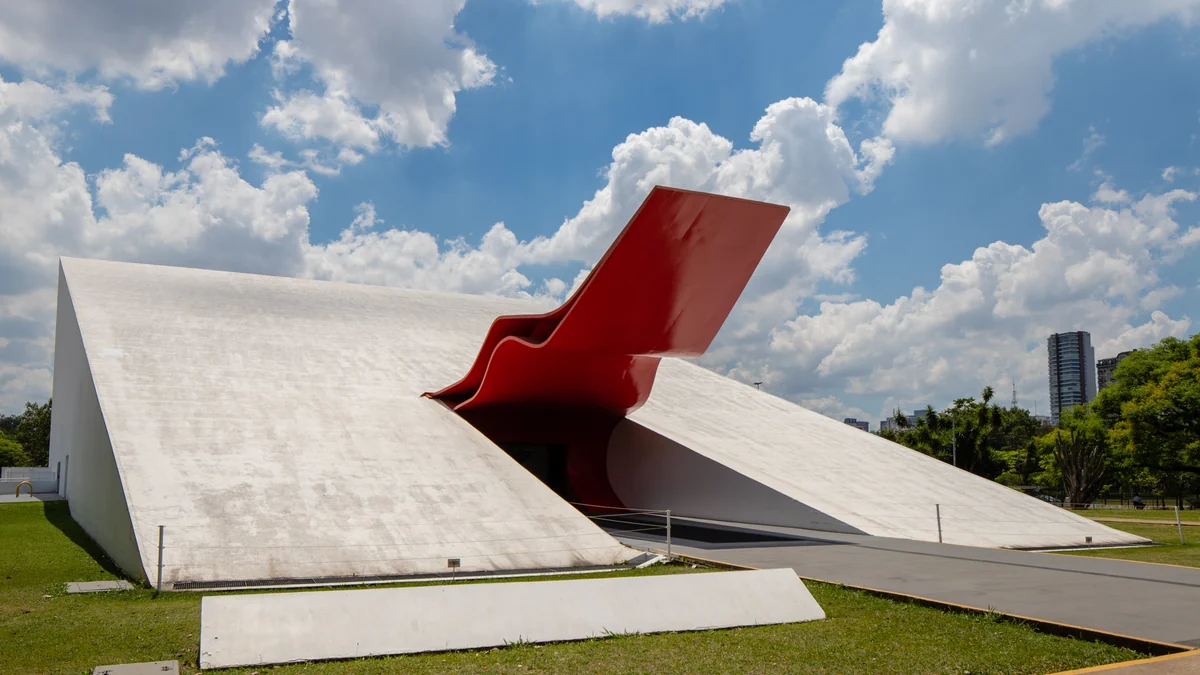
A Tribute Led by Beto Lee and Sung by Several Generations
Beto Lee’s presence leading the homage carries obvious symbolic weight. Rita Lee’s son and a musician, he functions as a familial and artistic link, but the show’s design does not close itself into a private ceremony. The official program distributes the repertoire among performers from several generations, shifting the tribute into a collective field.
This choice matters because Rita Lee was never only an isolated voice. Her path runs through Os Mutantes, rock, mass pop, decisive partnerships, and an intense relationship with television and the Brazilian domestic imagination. Rita’s artistic “I” was always accompanied by characters, masks, ironies, and scenes. Reenacting her work through multiple voices suits that multiplicity.
Baby do Brasil carries her own history of counterculture, Novos Baianos, spiritual reinvention, and popularity. Fernanda Abreu dialogues with dance, funk, urban pop, and the language of cities. Sandra Sá brings the strength of Brazilian soul music. Letrux and Alice Caymmi operate in registers of theatricality, language, and emotional tension. Marina Sena embodies a generation that learned to turn sensuality, the internet, and pop song into public identity. Catto and Miranda Kassin complete this field of performers who treat the stage not as reproduction, but as translation.
The challenge of any tribute is to avoid two mistakes: copying too much or appropriating without listening. In Rita Lee’s case, literal copying tends to impoverish, because her strength is not only in notes or timbre, but in the attitude of moving boundaries. Rushed appropriation also fails, because her work has its own context, intelligence, and humor. A good tribute needs to let the songs breathe in other mouths without erasing the author who made them possible.
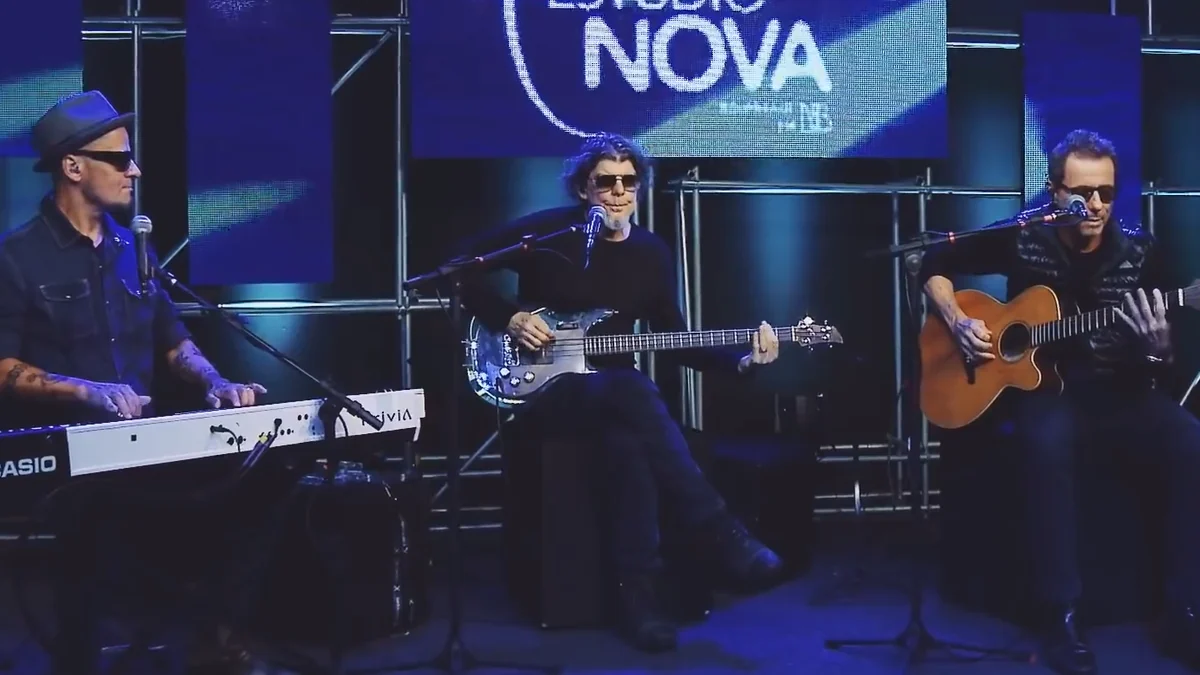
1980s Rock as a Dispute Over Memory
C6 no Rock is born with a clear frame: revisiting Brazilian rock from the 1980s. That frame has force, but it also requires care. The decade was decisive for Brazil’s commercial music, for the expansion of pop-rock on radio and television programs, and for the formation of an urban youth that spoke of democracy, behavior, consumption, boredom, desire, and disenchantment after the dictatorship. At the same time, any celebration of the 1980s risks narrowing memory around a predictable canon.
The program tries to respond to this through specific albums and tributes. Titãs play “Cabeça Dinossauro,” Paralamas revisit “Selvagem?”, Plebe Rude presents “O Concreto Já Rachou,” Paulo Ricardo sings “Rádio Pirata ao Vivo” and hits. On Sunday, Ira!, Blitz with Fernanda Abreu, Dado Villa-Lobos and Marcelo Bonfá with André Frateschi, Marina Lima with Lobão and Liminha, and the tribute to Cazuza appear.
These names form a recognizable narrative of BRock, but Rita Lee occupies a different position. She predates the commercial peak of the 1980s and, at the same time, was fundamental for that environment to exist. Before many of those artists became symbols of urban youth, Rita had already crossed psychedelia, television, scandal, censorship, experimentation, and pop. Her place in the festival is therefore less that of a member of a cohort and more that of an undisciplined ancestor.
São Paulo as Setting and Character
Parque Ibirapuera is not a logistical detail. In São Paulo, large festivals do not merely receive audiences: they reorganize urban flows, create generational encounters, and turn the city into a stage for shared memory. Ibirapuera carries the symbolic weight of park, architecture, leisure, museums, auditorium, walking, and public celebration. Placing a tribute to Rita Lee there reinforces the civic dimension of the event.
Rita also has a deep relationship with São Paulo’s imagination. Even when her work speaks to all of Brazil, it carries an urban diction that fits São Paulo closely: acidic humor, mixed references, coexistence between affection and hurry, pop and strangeness, home and street. The city that produces noise, traffic, contradiction, and invention recognizes in her a less obedient mirror.
It is important to separate fact from reading. The fact is that the festival takes place at Parque Ibirapuera, with announced programming and confirmed artists. The reading is that this stage broadens the meaning of the tribute. Rita Lee sung in São Paulo, by artists from different generations, is not only repertoire performed live; it is a city staging part of itself.
For the public that circulates through Vila Madalena, Pinheiros, downtown, Sesc venues, concert houses, and independent spaces, this kind of event also speaks to a daily question: how does Brazilian pop culture age without becoming a museum? The answer may lie less in reverence and more in circulation. The song needs to return to the street, the stage, the conversation, and the body.
What Interest in Rita Lee Reveals Now
The rise in searches for Rita Lee shows how digital attention can function as a cultural thermometer when handled with sources and context. Alone, a trend does not prove depth. But crossed with a relevant event, confirmed programming, and journalistic coverage, it signals that there is an audience trying to understand, remember, or participate.
It also reveals that Brazilian music continues negotiating its pantheon. Not every heavily heard artist becomes a cultural reference. Not every cultural reference remains searchable. Rita Lee brings both together: broad recognition and the capacity for reactivation. She can be a subject for those who lived through the 1970s and 1980s, for those who arrived through playlists, for those who know her through phrases, covers, interviews, old videos, or younger artists who cite her without always explaining the origin.
The tribute “Meu sonho é ser imortal” has a title that helps explain the paradox. Immortality, in pop culture, is not frozen permanence. It is the ability to be reinterpreted without disappearing. An immortal work is not one that remains intact; it is one that continues producing meaning when it changes voice, stage, audience, and technology.
In that sense, Rita Lee seems especially contemporary. Her irreverence dialogues with debates over female autonomy. Her humor speaks to a digital culture that rewards sharp lines. Her aesthetic freedom anticipates the fluidity with which current artists mix rock, pop, MPB, soul, electronic music, funk, and performance. Her presence remains uncomfortable because it does not offer a tame model of consecration.
Between the Stage and the Street
For São Paulo, this movement has particular force. The city lives from overlapping cultural layers: the large show, the small bar, the painted wall, radio memory, the playlist on the phone, theater, street cinema, the sponsored festival, the free gathering, late night, and the Sunday walk. Rita Lee crosses those layers with rare naturalness.
That is why the tribute at Ibirapuera also matters to anyone who thinks about culture from Vila Madalena and Beco do Batman. Becoartes looks at the city as a territory of symbolic circulation: what rises onstage can echo on the wall, on the walk, in conversation, and in the way São Paulo reorganizes its own pop memory.
Keep Following the Cultural Map
After the stage, keep moving through the city: read Becoartes as a way to follow São Paulo’s signs across music, street, memory, and invention.
Becoartes - Beco do Batman
99 Gonçalo Afonso Street, Vila Madalena, São Paulo
Sources and credits
- Robin Hauster — CC BY-SA 4.0
- Robin Hauster — CC BY-SA 4.0
- Paul R. Burley — CC BY-SA 4.0
- Showlivre — CC BY 3.0
- C6 no Rock - site oficial
- Folha de S.Paulo - C6 no Rock reúne geração anos 1980
- Guia Folha - C6 no Rock no Parque Ibirapuera
- Eventim - C6 no Rock São Paulo 2026
- UOL Toca - Rita Lee e Cazuza ganham homenagens no C6 no Rock