Brazil’s Supreme Federal Court (STF) ruling concerns the former contribution protection for retirees and survivors under a Regime Próprio de Previdência Social (RPPS), a separate pension scheme for certain public servants, when they have a disabling illness. The Court upheld the repeal of the rule under which, when applicable to the particular scheme, contributions were charged only on the portion exceeding twice the ceiling of the Regime Geral de Previdência Social (RGPS), Brazil’s general pension system.
The ruling does not create a nationwide rate, make every deduction automatically correct or mean that the contribution equals the RGPS ceiling. The repeal removed the constitutional guarantee of the broader exemption band. The actual assessment base, rate and any charge above the RGPS ceiling must be checked against the rules governing the beneficiary’s RPPS.
The rule upheld by the STF
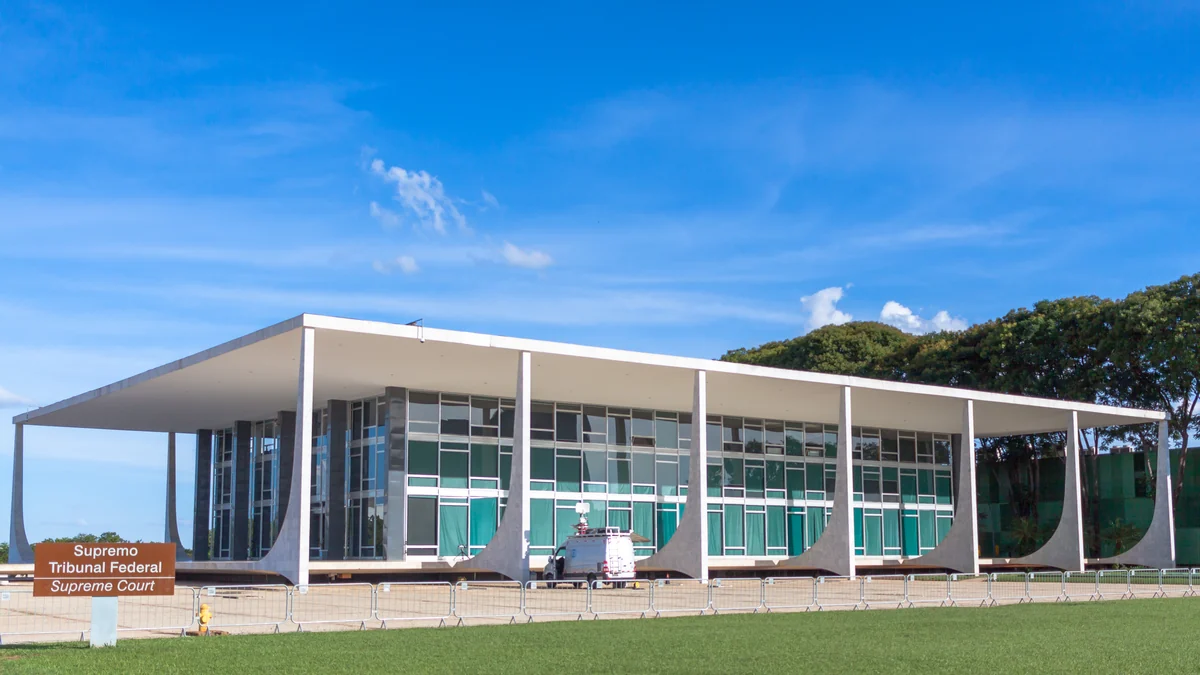
By a majority, the STF held that repealing former paragraph 21 of Article 40 of Brazil’s Constitution was valid. The Court completed its review of Direct Action of Unconstitutionality 6336, or ADI 6336, on October 29, 2026, according to the STF’s official report.
While in force, that provision established that retirees and survivors with a disabling illness, as defined by law, contributed only on the portion of their payments exceeding twice the maximum RGPS benefit. Constitutional Amendment 103/2019 repealed the paragraph, as also recorded in the Senate’s legislative database.
The STF neither created a contribution nor determined an individual deduction. It ruled that withdrawing the broader constitutional protection did not violate equality, human dignity or the prohibition against social regression.
Who may fall within the ruling’s scope
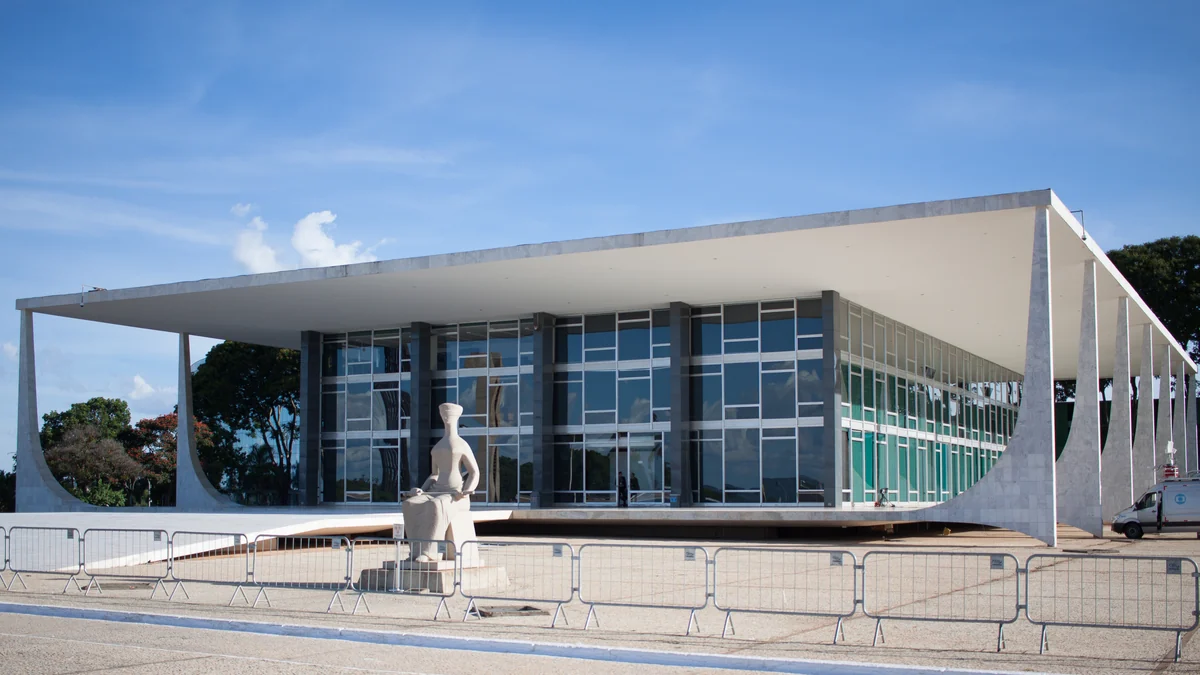
The decision centers on retirees and survivors enrolled in an RPPS who could have been covered by the former provision for beneficiaries with a disabling illness. Article 40 governs the separate schemes for holders of permanent public posts, funded by the relevant government entity, active servants, retirees and survivors.
The text of Amendment 103 published by the Chamber of Deputies distinguishes this group from people holding only appointed posts, temporary posts, elected office or public employment, who are assigned to the RGPS. Working for a public authority therefore does not, by itself, establish that the ruling applies.
Retirement because of permanent incapacity for work and recognition of a disabling illness for the former exemption band are also separate issues. The case examined the repeal of the latter protection, not every rule governing eligibility for or calculation of permanent-incapacity pensions.

Why this is not a general INSS rule
The RPPS and RGPS are different systems. In ADI 6336, the RGPS ceiling serves as the benchmark delimiting the disputed contribution band. That does not turn RPPS beneficiaries into INSS members or automatically change benefits paid under the general system.
Guidance from Brazil’s National Treasury Attorney General’s Office separately addresses RGPS retirees, RPPS retirees and survivors, and public servants with disabling illnesses. It also states that former paragraph 21, while in force, depended on federal implementing legislation or rules issued by the relevant government entity. The judgment therefore does not support a conclusion that every permanent-incapacity benefit paid by the INSS was affected.
This is exclusively a Brazilian constitutional and pension-law decision. The cited sources give it no effect in the United States, United Kingdom, Canada or elsewhere.
What to check in the payment and benefit records
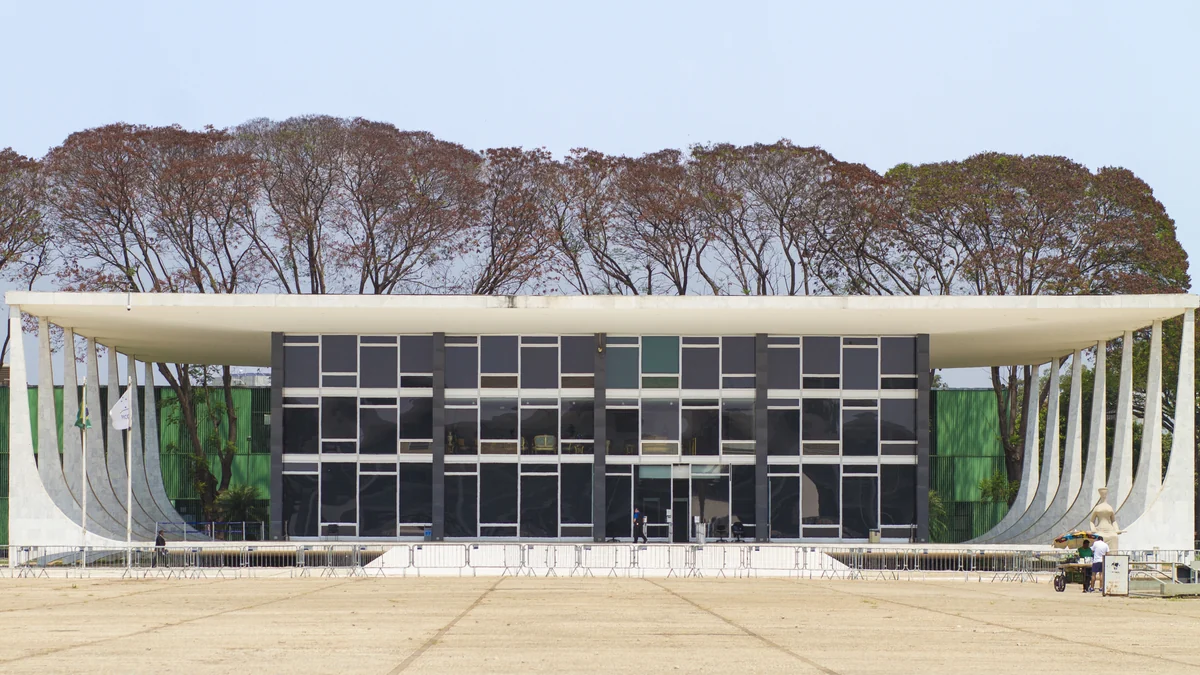
First identify the scheme and managing authority on the retirement order, benefit statement or public-service portal. Look for RPPS, PSS or RGPS. Then locate the pension-contribution line, its assessment base, the rate applied and the gross payment used for that period.
Also check whether the administrative record recognizes a disabling illness and which rule issued by the relevant authority supports the charge. Keep the retirement order, previous statements, administrative decisions, medical reports already submitted to the authority and notices from the pension unit.
Comparing statements can reveal a changed line item or base, but a difference in net payment does not establish its cause. Adjustments and other withholdings may also alter the total. The RGPS ceiling and scheme rules may change, so consult the responsible authority’s official website before calculating any amount.
What the judgment does not decide by itself
The ruling does not determine what each beneficiary owes or confirm that a specific withholding is correct. An individual outcome depends on the scheme, applicable legislation, benefit base and administrative history. It is also distinct from any Brazilian income-tax exemption for serious illness: pension contributions and income tax are separate charges.
One documentary caution remains. The online ADI 6336 case record still displayed “awaiting judgment” in the material reviewed, although the STF’s official report says the full Court completed the case. Before taking formal action, check the updated docket, publication of the judgment and guidance from the RPPS manager.
How to question a specific deduction
If the figures do not match, ask the human-resources office or pension authority for the calculation worksheet and legal basis. Identify the payment period, deduction label, assessment base, rate and scheme shown in the benefit record.
The judgment confirms the validity of the constitutional repeal, but it does not relieve the administration of explaining an individual charge. If the discrepancy remains, a representative organization or qualified Brazilian professional can review the records without assuming that all permanent-incapacity retirees are in the same position.
Discover Becoartes
Discover [Becoartes](https://becoartes.com/) at Rua Gonçalo Afonso, 99, Vila Madalena, São Paulo.
Becoartes - Beco do Batman
99 Gonçalo Afonso Street, Vila Madalena, São Paulo
Sources and credits
- Webysther — CC BY-SA 4.0
- Webysther — CC BY-SA 4.0
- Dasfour2022 — CC BY-SA 4.0
- Jorge Luiz Castro — CC BY-SA 4.0
- STF Notícias — decisão sobre a isenção de contribuição previdenciária
- https://portal.stf.jus.br/peticaoInicial/verPeticaoInicial.asp?base=ADI&numProcesso=6336
- https://legis.senado.leg.br/norma/31727296
- https://www2.camara.leg.br/legin/fed/emecon/2019/emendaconstitucional-103-12-novembro-2019-789412-publicacaooriginal-159409-pl.html
- https://www2.camara.leg.br/atividade-legislativa/legislacao/Constituicoes_Brasileiras/constituicao-cidada/constituicao-federal/index.html/CF1988.html
- https://www.gov.br/pgfn/pt-br/cidadania-tributaria/copy_of_por-perfil-de-contribuinte-1/aposentado/contribuicoes-previdenciarias-1/contribuicoes-previdenciarias
- https://www.migalhas.com.br/amp/quentes/467546/stf-valida-fim-de-isencao-para-servidores-com-doencas-graves