Agnes Ngetich broke the women-only world half marathon record. Her 1:05:15 in Copenhagen on 20 September 2026 improved Peres Jepchirchir’s mark in that category by one second. The fastest recognised women’s time over the distance, however, remains Letesenbet Gidey’s 1:02:52 in a mixed race. Both marks coexist because World Athletics maintains separate categories according to the composition of the race.
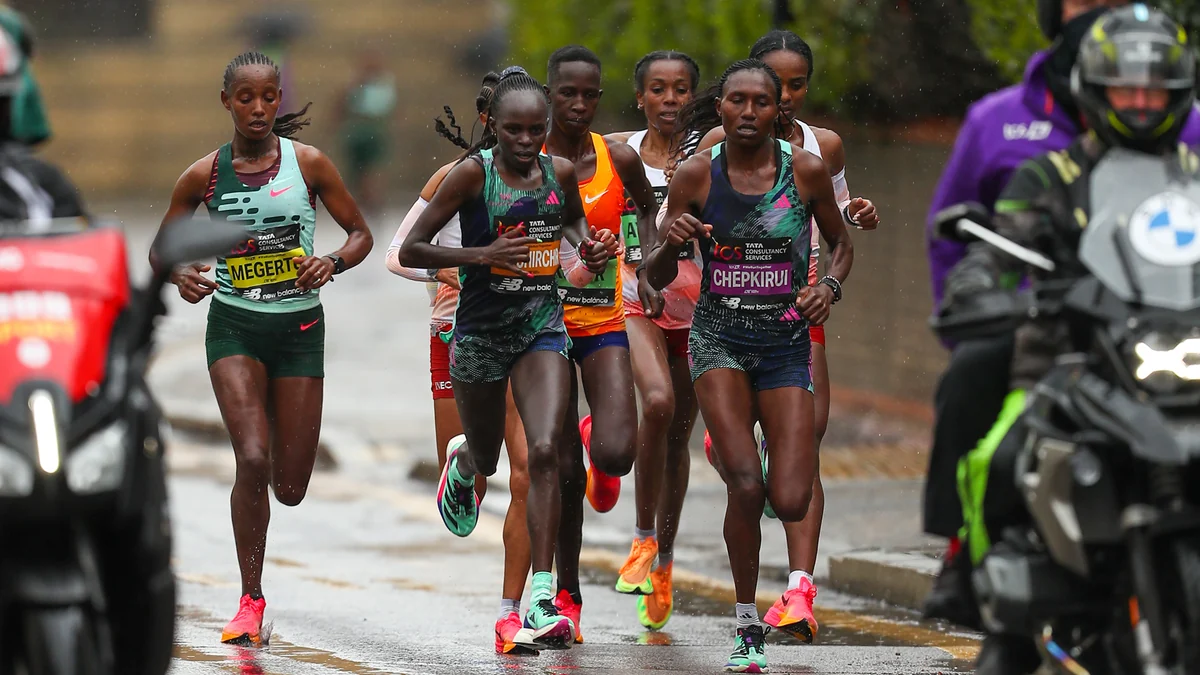
Which record Agnes Ngetich broke
The Kenyan won the women’s half marathon at the World Athletics Road Running Championships Copenhagen 26 in 1:05:15. According to the official World Athletics report, she finished 50 seconds ahead of fellow Kenyan Veronica Loleo and secured her second global title of 2026, following her cross-country gold in Tallahassee.
Ngetich led from the start. She passed 5km in 15:12, 10km in 30:39, 15km in 46:17 and 20km in 1:01:56. At the finish, she took one second off the women-only record of 1:05:16 that Peres Jepchirchir had set while winning the world title in Gdynia in 2020.
The decisive term is “women-only”: the Copenhagen result must be compared with others achieved in the same category, rather than directly with the best mark from the mixed-race category.
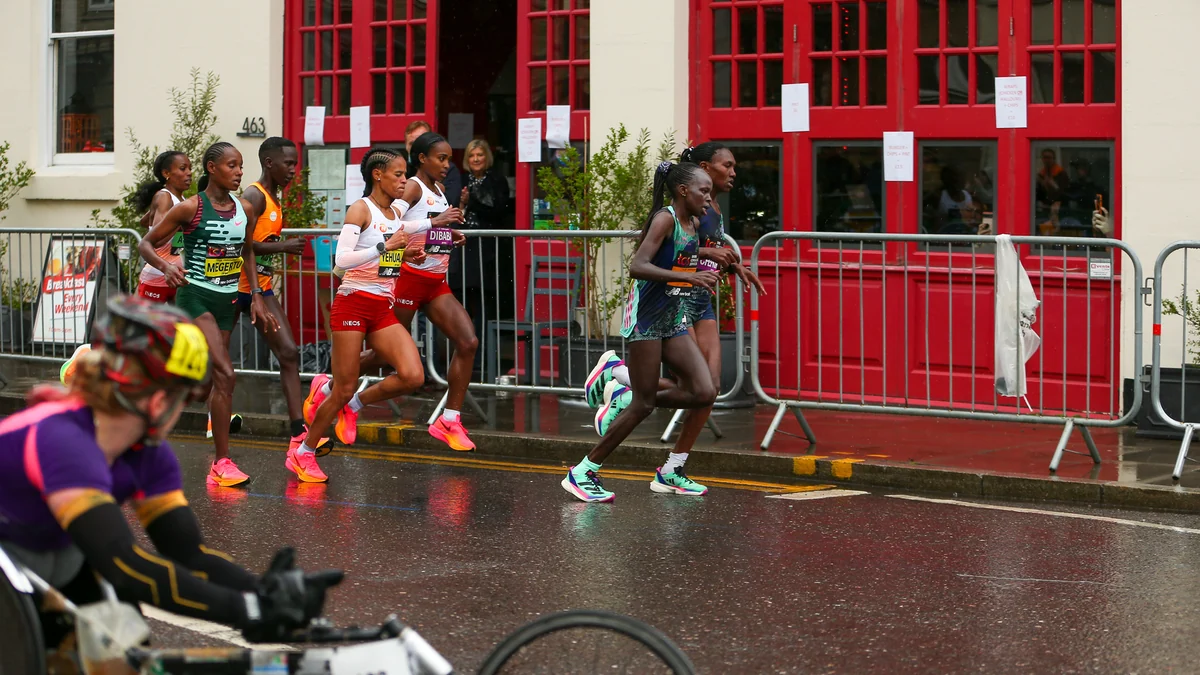
Why there are two women’s lists
The World Athletics discipline page explains that a half marathon covers 21.0975km and has two women’s world records: one for races contested only by women and another for mixed races, in which women run alongside men.
This separation resolves the apparent contradiction. “Women’s world record” can refer to either of two regulatory categories. The information is incomplete when a headline uses only the general expression without stating whether the race was women-only or mixed.
The safest way to read a table or report is to find the label attached to the performance. World Athletics uses “women-only” for the first category and “mixed race” for the second. The times do not compete for a single place because they were recorded in different race formats.
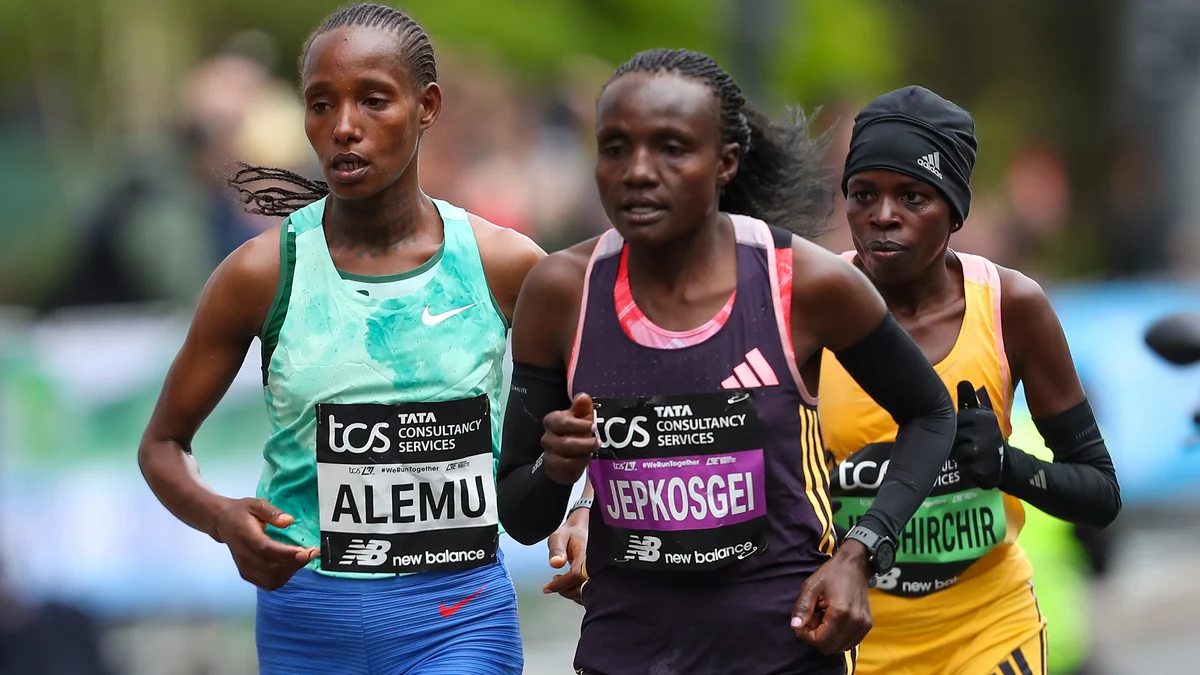
Where Letesenbet Gidey’s 1:02:52 fits
Letesenbet Gidey ran 1:02:52 in Valencia on 24 October 2021, on her half marathon debut. The mark belongs to the mixed-race category. The World Athletics ratification notice records that the Ethiopian cut 70 seconds from the previous record of 1:04:02, set by Ruth Chepngetich in Istanbul.
Gidey therefore retains the fastest recognised women’s time over the distance across the two race types. Ngetich, meanwhile, moved to the top of the women-only category with her Copenhagen result, provided it completes ratification. Calling 1:05:15 a record while also calling 1:02:52 a record is accurate: each figure answers to a distinct classification.
The 2:23 gap between the marks should not be treated as though one invalidates the other. A sound comparison must preserve the category shown in the official record.
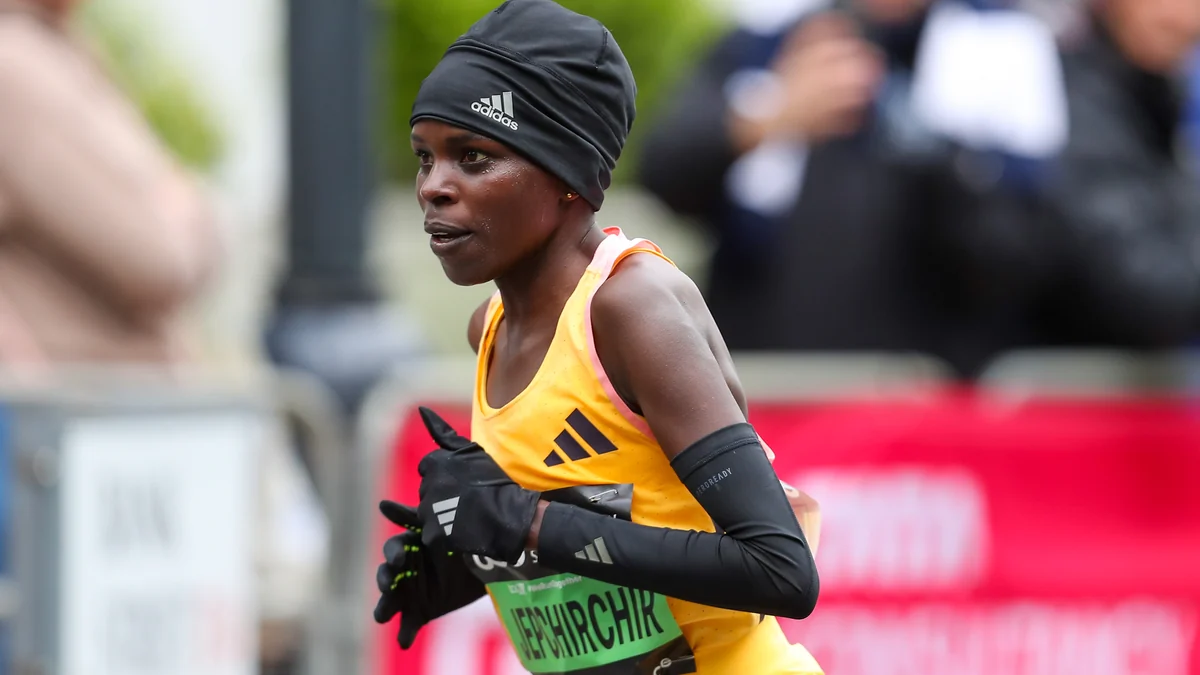
Peres Jepchirchir’s previous record
Before Copenhagen, Peres Jepchirchir held the women-only benchmark. She ran 1:05:16 at the World Athletics Half Marathon Championships in Gdynia on 17 October 2020. The ratification announcement states that the first six women finished under 66 minutes and that the leading three beat Jepchirchir’s earlier record of 1:05:34.
That history puts Ngetich’s result in precise terms: she improved the category record by only one second. The relevant comparison is 1:05:15 against 1:05:16, both associated with world championships and women-only races.
Why Ngetich’s time carries an asterisk
In its Copenhagen report, World Athletics prints 1:05:15 with an asterisk and says the mark is subject to the usual ratification procedure. The result was announced as a record but must still complete the governing body’s formal validation.
The asterisk does not create a third category or change the time recorded at the finish. It communicates the mark’s administrative status on the publication date. The process has clear precedents: the records by Jepchirchir and Gidey later received separate ratification notices.
While the procedure remains pending, the most precise wording is “women-only world record subject to ratification”. Check the official World Athletics links for the latest status, as pending records may be updated.
How to interpret the news without mixing the marks
Three pieces of information settle the issue: athlete, time and category. Ngetich recorded 1:05:15 in a women-only race; Gidey recorded 1:02:52 in a mixed race; and Ngetich’s result was awaiting ratification in the report dated 20 September 2026.
The Copenhagen finish therefore did not replace Gidey’s time on the mixed-race list. It provisionally updated the women-only list previously led by Jepchirchir. Identifying the category also prevents two compatible official records from appearing to contradict each other.
Continue the conversation at Becoartes
For more stories about sport and culture, visit Becoartes at Rua Gonçalo Afonso, 99, Vila Madalena. Check current information on the [official website](https://becoartes.com/).
Becoartes - Beco do Batman
99 Gonçalo Afonso Street, Vila Madalena, São Paulo
Sources and credits
- Katie Chan — CC BY-SA 4.0
- Katie Chan — CC BY-SA 4.0
- Katie Chan — CC BY-SA 4.0
- Katie Chan — CC BY-SA 4.0
- World Athletics — Ngetich vence em Copenhague com 1h05min15s; marca sujeita à ratificação
- World Athletics — página da meia maratona e explicação dos dois recordes femininos
- World Athletics — ratificação do recorde feminino exclusivo anterior, de Peres Jepchirchir
- World Athletics — ratificação do recorde feminino em prova mista de Letesenbet Gidey