There is no universal, mandatory 72-hour backpack imposed by the European Union. The European Commission recommends that people be able to meet their essential needs during the first three days of a crisis while public assistance is being mobilized. Countries and local authorities should adapt that goal to the risks and organization of each territory.
In Spain, one practical reference is the guidance issued by the Generalitat de Catalunya. It is neither a nationwide rule nor a closed inventory: it distinguishes supplies for staying at home from extra evacuation items and considers medication, disability, children, older adults, and animals. In an actual emergency, instructions from the responsible authorities always take precedence.
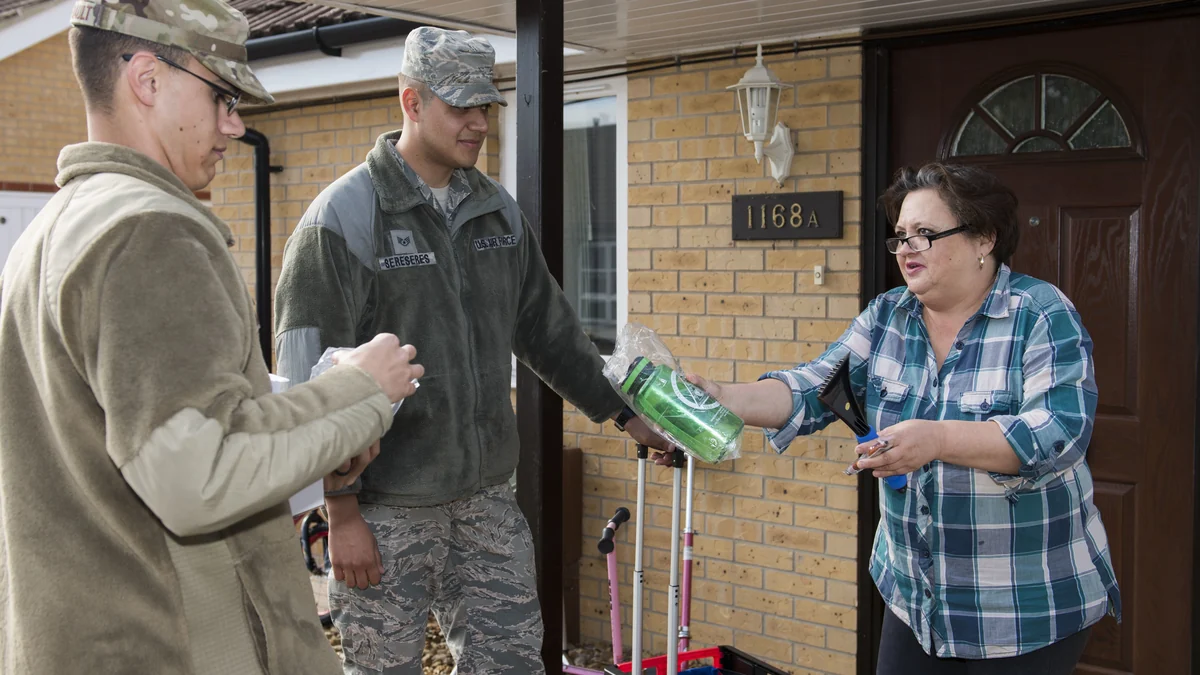
What the European Union actually recommends
The guidelines presented by the European Commission on November 3, 2026 seek to support self-sufficiency for at least 72 hours. They refer to essential supplies and emergency grab bags, but do not establish one backpack or a mandatory checklist for everyone in the EU.
The guidance is expressly non-binding. Alongside self-sufficiency, it covers preparedness education, risk communication, and disability inclusion. The European message is therefore broader than buying equipment: it includes knowing how to respond, receiving reliable information, and planning accessibly.
The Commission’s preparedness page says Member States and participating states should develop initiatives according to their own national organization. A Spanish regional recommendation should consequently not be presented as the “EU’s official list.”
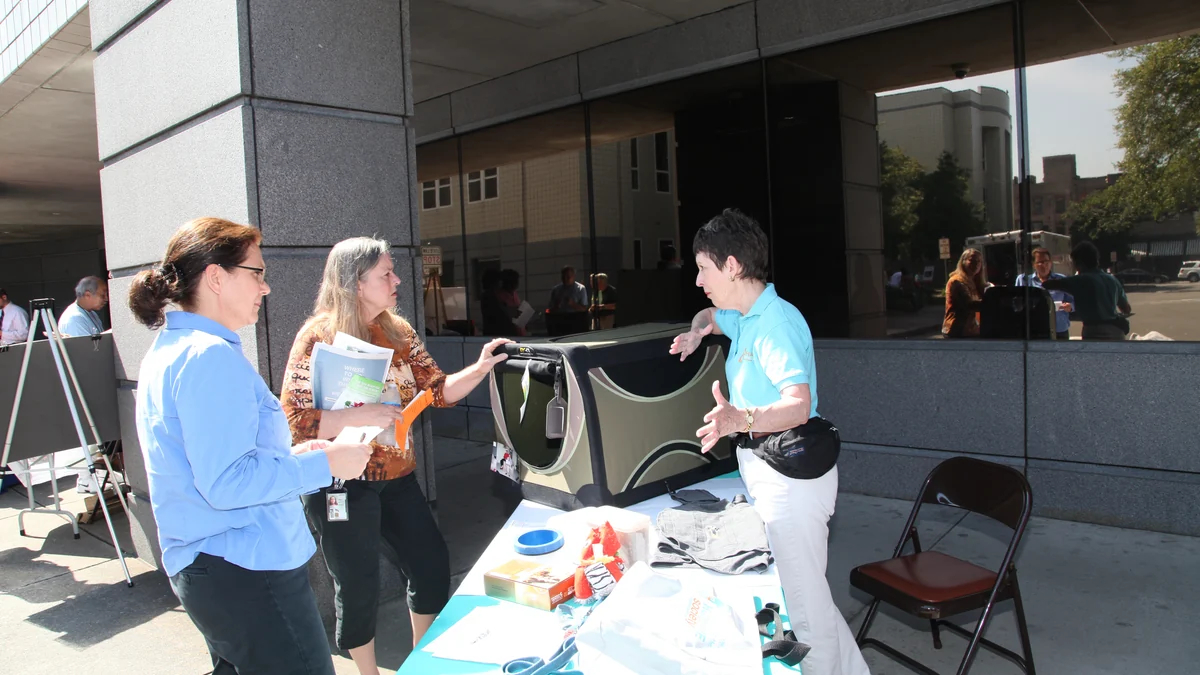
Home supplies and a grab bag serve different purposes
Supplies for sheltering at home may include water and food in quantities that would be impractical in a light backpack. An evacuation bag, by contrast, must be accessible and portable because it is intended for use if authorities order people to leave.
Keeping the two categories separate prevents two mistakes: assuming every household provision must fit on someone’s back, or leaving documents and personal essentials scattered when a quick departure is required. The Generalitat de Catalunya’s guidance says the kit should be easily accessible and every family member should know where it is.
What to store for staying at home
The Catalan reference specifies at least 1.5 liters of drinking water per person per day. For sheltering at home, it also advises shelf-stable food that does not need cooking, a first-aid kit, regular medication, a flashlight and spare batteries, a battery-powered radio, a cell phone, charger, and, if possible, a power bank.
Personal documents—including identification, health card, and insurance policies—should preferably be kept in a waterproof pouch. The checklist includes cash, a bank card, and assistive products such as glasses, crutches, a cane, walker, hearing aid and batteries, or breathing equipment.
In practice, calculate water and food according to the number of people and days, check expiration dates, and store only items the household can use. The 72-hour period is a self-sufficiency goal, not a promise that every emergency will end within that time.
What to add for an evacuation
The Generalitat recommends adding spare clothes and shoes, a raincoat, personal hygiene products, and house and car keys to the basic kit. The bag should remain portable for the person who will actually carry it; excessive weight or duplicate items can make it less useful.
A straightforward approach is to keep documents, indispensable medication, communication devices, lighting, and water immediately available. Other items can be divided according to each adult’s carrying capacity, without placing unsuitable loads on children, older adults, or anyone with reduced mobility.
Do not evacuate solely because the bag is ready. When an official evacuation is ordered, follow the route, departure time, and any other directions issued by the responsible authorities.
Adapting the plan for people and animals
Regular medication must be built into the plan, as must assistive products for people with disabilities. For children, the Generalitat suggests an identification wristband in case they become lost or disoriented. The needs of older adults and anyone else who may be vulnerable should be anticipated, including who can assist them with movement.
For pets, the Catalan advice includes food and water for several days, identification or proof of ownership, a photograph with the owner, medical records, an up-to-date veterinary card, medication, a carrier or cage, leash, muzzle where necessary, blanket, and hygiene supplies. It also recommends keeping microchip details current and arranging for a neighbor or relative to evacuate the animal if the owner is away.
A five-step plan that can be put into practice
First, identify local risks and the instructions issued by your area’s authorities. Second, calculate home supplies for every resident. Third, assemble a separate bag that can actually be carried. Fourth, adapt the plan for medication, accessibility, children, older adults, and animals. Fifth, periodically review expiration dates, batteries, documents, contacts, and equipment condition.
Everyone should know where the supplies are kept. A review is also a chance to test the flashlight and radio, check chargers, and replace water, food, or medication when necessary. Consult the official links before buying or updating a kit because recommendations may change. In Catalonia, the page says to call 112 in an emergency; emergency numbers and alert systems must be checked for each territory.
Preparedness does not remove risk or replace public emergency services. It reduces improvised decisions in the first hours and helps a household respond more effectively to official directions.
Discover Becoartes
Visit [Becoartes](https://becoartes.com/) at Rua Gonçalo Afonso, 99, Vila Madalena, São Paulo.
Becoartes - Beco do Batman
99 Gonçalo Afonso Street, Vila Madalena, São Paulo
Sources and credits
- U.S. Air Force photo by Airman 1st Class Jennifer Zima — Public domain
- U.S. Army Corps of Engineers Savannah District — Public domain
- Comissão Europeia — novas diretrizes de preparação da população, 3 de novembro de 2026
- Comissão Europeia — diretrizes e documentos sobre preparação
- Generalitat de Catalunya — como se preparar para uma emergência