Different numbers in an earthquake report answer different questions. If you feel shaking, follow the Civil Protection procedures for your location first. This guide explains how to read a report. It does not confirm a new earthquake or relay an active warning.
Where it began and how big it was
The hypocenter is the point at depth where the rupture started. The epicenter is directly above it at the surface. Magnitude estimates the size of the earthquake. On its own, it does not tell you how much a building shook or where the shaking was strongest. Distance, ground conditions and building characteristics can change what people feel from place to place.
A report is not a warning
Mexico’s National Seismological Service records earthquakes and publishes information such as time, magnitude, location and depth. A report describes what was detected; it is not a warning. To identify an event, compare the date, time and location in the official report rather than relying on a number in a screenshot. No warning does not mean there was no shaking.
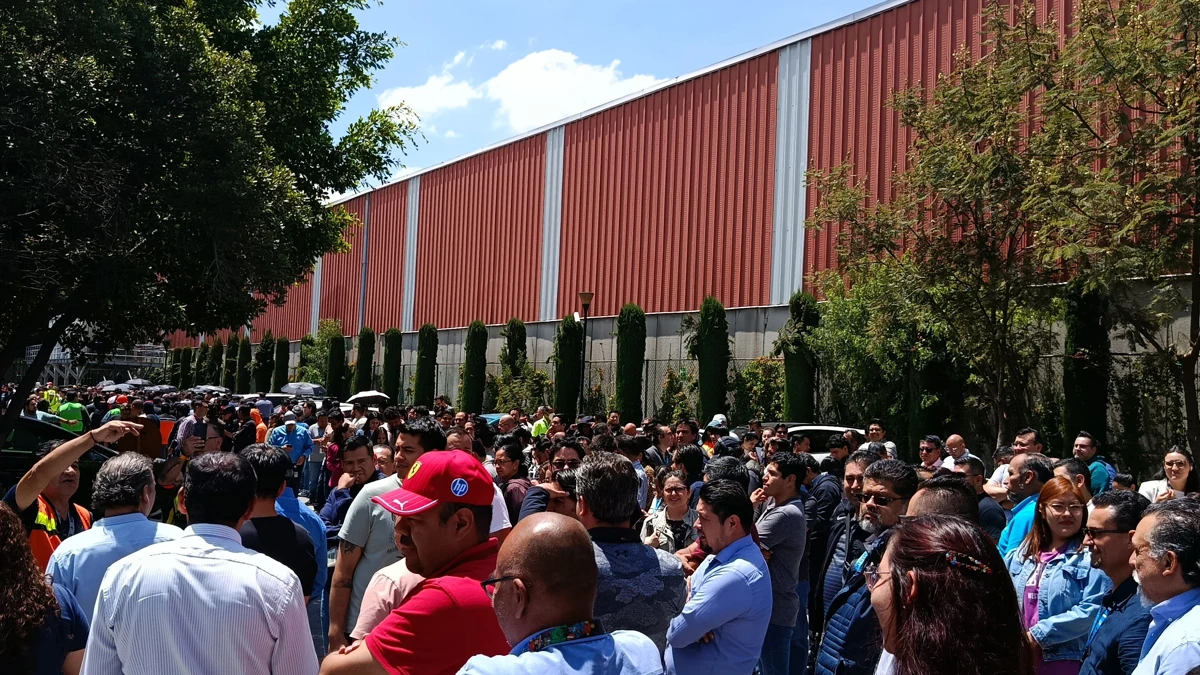
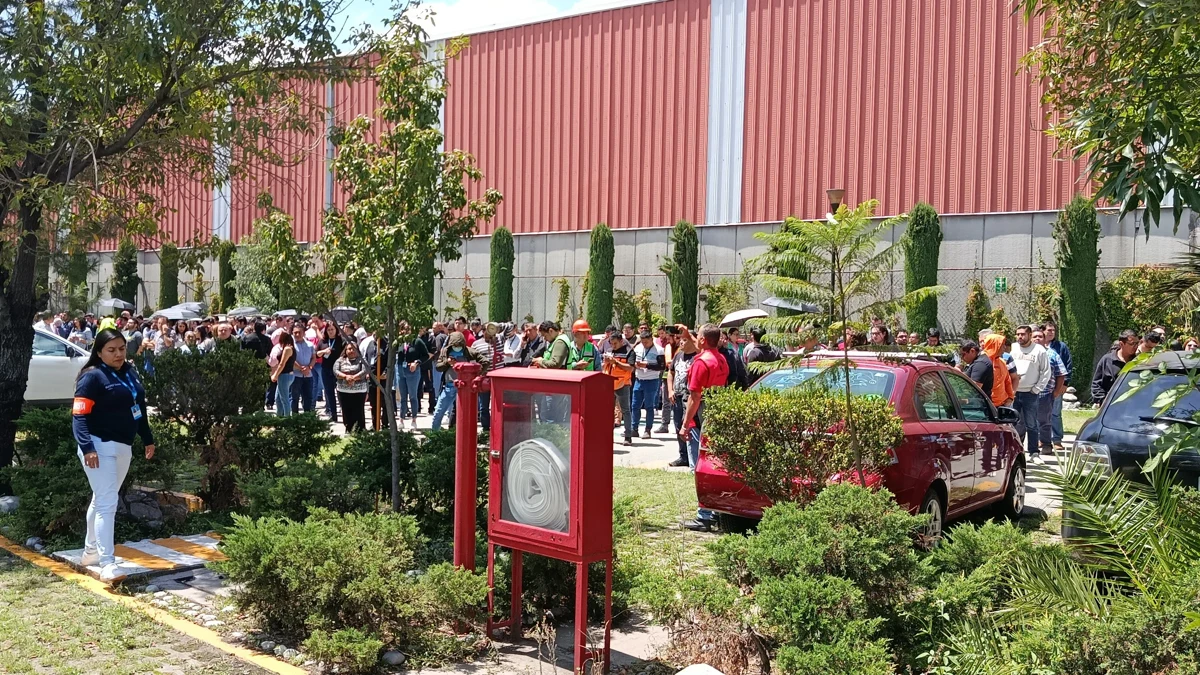
If you feel shaking
Do not spend time trying to find the epicenter. Follow local Civil Protection and building response team instructions; do not use elevators during shaking. Once you are safe, check official advice before returning to a building or sharing messages.
Discover Becoartes
Explore the Becoartes Cultural Guide.
Becoartes - Beco do Batman
99 Gonçalo Afonso Street, Vila Madalena, São Paulo