If skin lesions or a rash appear, go to a family clinic, a municipal health center, or the INI/Fiocruz referral service. If you had close contact with a suspected or confirmed mpox case, seek an assessment even without symptoms: post-exposure vaccination is preferred within the first four days and may be considered up to 14 days after contact if symptoms have not appeared. Vaccination is not automatic; a health service must assess the exposure and your eligibility.
If you have lesions or other symptoms
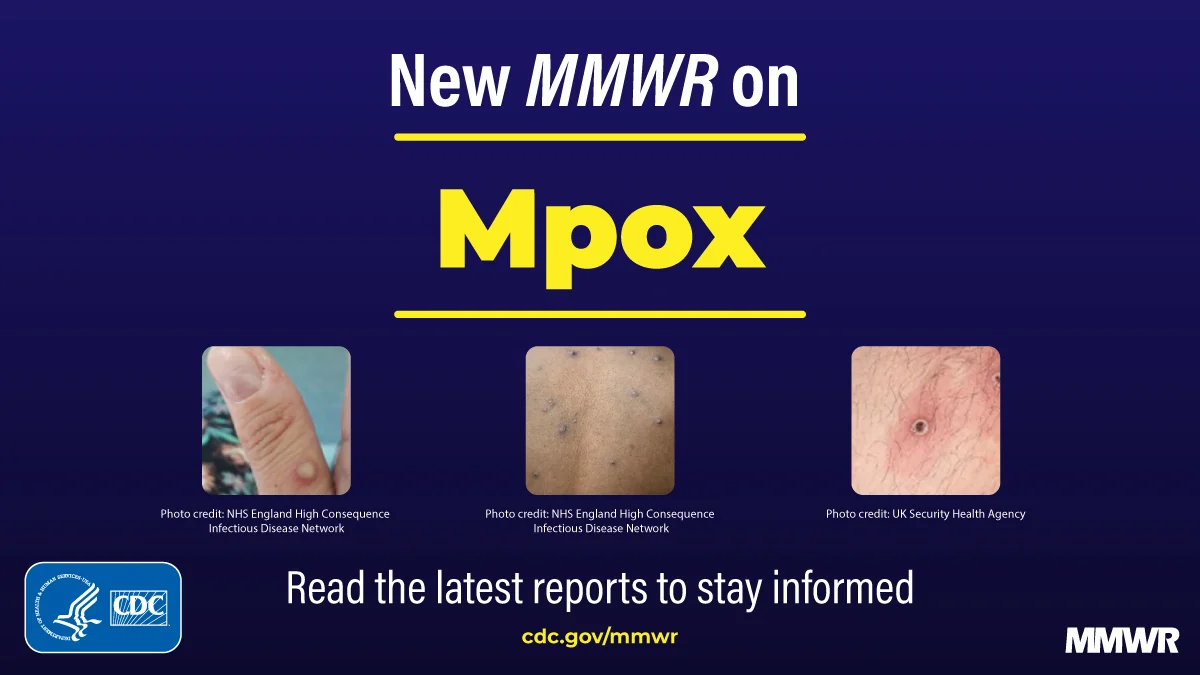
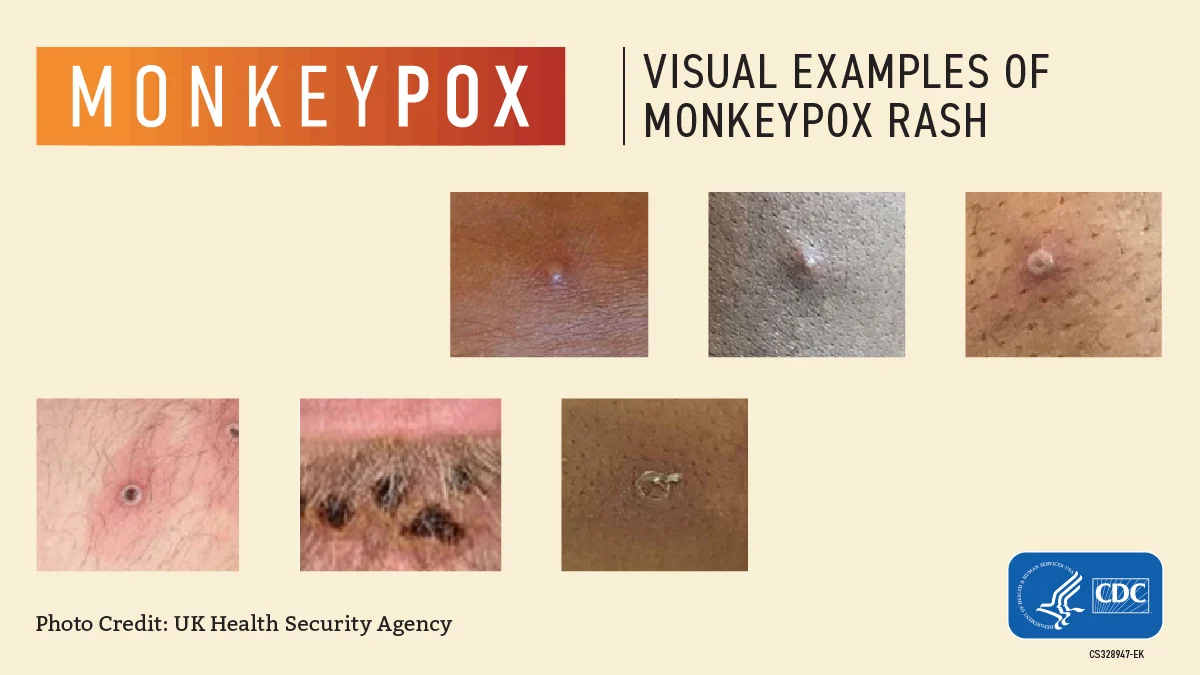
The Rio Municipal Health Department advises people to visit a family clinic or municipal health center if they develop a skin rash or lesions, swollen lymph nodes, fever, headache, body aches, chills, or weakness. Lesions can occur at different stages and may affect the face, hands, soles of the feet, and genitals.
These signs are not enough to confirm mpox on your own. The World Health Organization warns that other infections and conditions can look similar, which is why a clinical assessment and, when indicated, collection of samples from lesions are important.
Anyone with suspected or confirmed disease should begin home isolation and avoid sharing cutlery, towels, bed linen, or other personal items. The city’s guidance is to maintain these measures until every lesion has healed. Health professionals should determine the precautions and length of isolation for each situation.
If there was close contact but no symptoms
Close contact particularly includes direct contact with lesions, bodily fluids, skin, or mucous membranes during intimate contact, including sex. Contaminated clothing, sheets, and personal hygiene items can also transmit the virus. Respiratory droplets are another possibility during close or prolonged personal contact, according to the municipal department.
Do not wait for lesions to appear before requesting guidance after an exposure. Brazil’s Ministry of Health advises contacts of suspected or confirmed cases to seek a risk assessment and instructions on monitoring for skin lesions, fever, and swollen lymph nodes.
If known, write down the date and nature of the contact. This information helps the team assess the exposure. If symptoms develop during monitoring, clinical assessment becomes the priority rather than simply going to a vaccination site.
The post-exposure vaccine window
The vaccine should be administered as soon as possible, preferably within the first four days after contact. It may still be considered from day five through day 14, but the Ministry says its effectiveness in preventing infection is lower during this period and that the aim also becomes reducing the risk of progression to severe disease.
WHO specifies that vaccination up to 14 days after contact is an option if the person has not developed symptoms. Being within that period therefore does not guarantee a dose: the decision depends on the health service’s assessment, the type of exposure, and current Brazilian rules.
Do not use eligibility criteria from the US Centers for Disease Control and Prevention to assume that you qualify in Rio. The US page also favors vaccination within four days, but it describes vaccines, priority groups, and clinical decisions specific to the United States.
Who is included in scheduled vaccination in Rio
Scheduled vaccination for priority groups is different from the response to a recent contact. In its November 6, 2026 update, Rio said vaccination was available to people aged 18 or older living with HIV/AIDS whose CD4 lymphocyte count is below 200 cells/mm³.
Under the national strategy described by the Ministry, priority goes to people with HIV/AIDS and a CD4 count below 100 cells/mm³. The course has two doses 28 days apart, and patients should register at the referral center where they already receive care. People with a CD4 count below 200, PrEP users, and laboratory professionals who handle mpox samples may receive remaining doses.
These criteria serve different purposes and may change with supply and local arrangements. Before traveling, check the city’s official page to confirm eligible groups and facilities offering vaccination. The page reviewed links to the municipal facility list, but its extracted text does not contain the addresses, so reproducing a potentially outdated list would be unsafe.
Where to seek care in the city
For symptoms, the city recommends the family clinic or municipal health center assigned to the resident. The municipal page provides a tool for finding the facility serving a particular address.
The Evandro Chagas National Institute of Infectious Diseases at Fiocruz also receives suspected or confirmed cases 24 hours a day, every day, at Avenida Brasil, 4,365, Manguinhos. On weekdays from 8 a.m. to 4 p.m., patients are directed to the outpatient department; at other times, they are seen by the hospital’s on-call service. INI published these hours on November 3, 2026; confirm them through the official link before going.
This referral service provides clinical care; it does not mean that vaccination is automatic. Anyone seeking a vaccine after contact should explain when and how the exposure occurred so the team can indicate the appropriate pathway.
How to reduce transmission while seeking advice
Avoid intimate and direct contact, cover lesions when possible, and wear a mask if you need to be near other people. Wash your hands with soap and water or use hand sanitizer; do not share personal items; wash clothing, towels, and sheets with water and detergent; and clean frequently used surfaces.
Condoms can reduce some risk during sex but do not offer complete protection because lesions may be located on uncovered skin. Do not pop blisters or scratch sores. When in doubt, seek an assessment: distinguishing symptoms, defining isolation, and deciding on vaccination require professional evaluation, particularly after a recent exposure.
Discover Becoartes
Visit [Becoartes](https://becoartes.com/) at Rua Gonçalo Afonso, 99, Vila Madalena, São Paulo.
Becoartes - Beco do Batman
99 Gonçalo Afonso Street, Vila Madalena, São Paulo
Sources and credits
- CDC — Public domain
- Centers for Disease Control and Prevention — Public domain
- Ministério da Saúde — vacinação, vigilância e prevenção no Rio
- Secretaria Municipal de Saúde do Rio — sintomas, critérios e unidades de vacinação
- INI/Fiocruz — atendimento de referência 24 horas no Rio
- OMS — ficha técnica internacional sobre mpox
- CDC — recomendações de vacinação contra mpox nos Estados Unidos