The confirmed fact is this: Ronaldinho was presented by Ravenna FC, a club in Italy's Serie C, at an event in Marina di Ravenna. Brazilian and international media reported that he joins the project as a shareholder and possible player, with the expectation that he may play at least once, although the date of any appearance has not been confirmed. The public tone of the presentation reinforces that ambiguity: there is football, there is marketing, there is nostalgia, and there is performance.
The interpretation begins there. Ronaldinho is not returning only as an athlete. He is returning as a cultural character. And that is what makes the story relevant for a cultural guide: Brazil is not searching only for lineups, fixtures, or minutes on the field. It is searching for the persistence of a symbol.
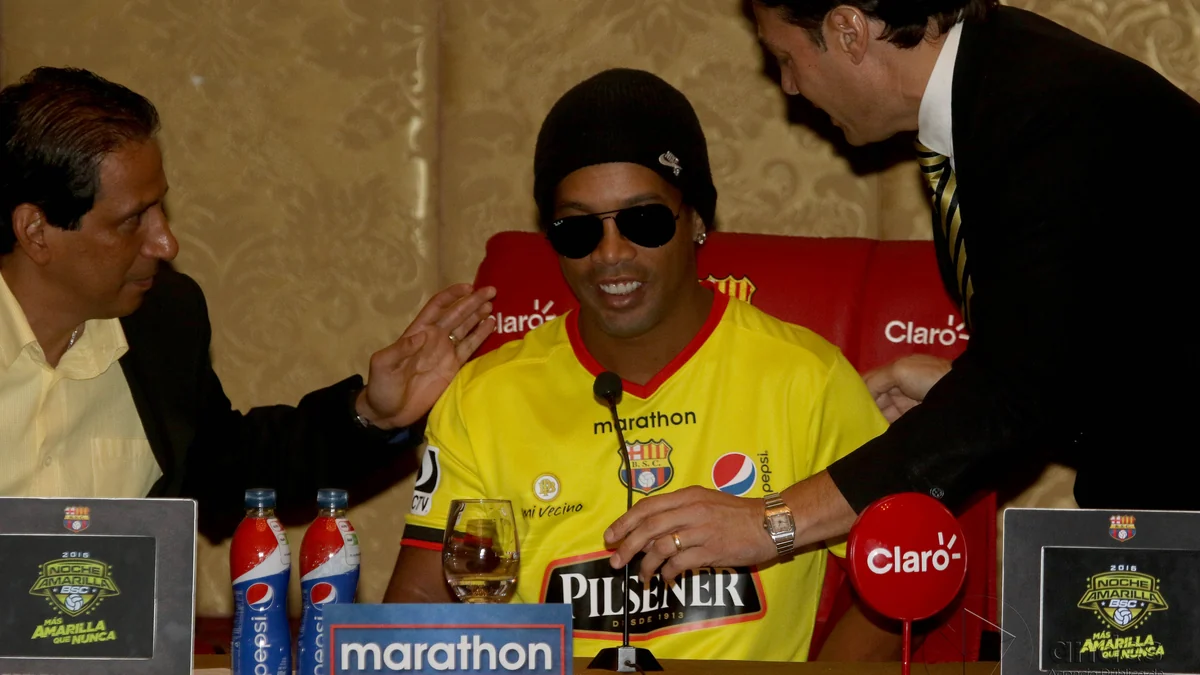
What is confirmed about Ravenna
The information published by outlets such as UOL, Folha, The Guardian, EFE, and Ravenna FC itself converges on a few essential points. Ronaldinho, at 46, was presented in Italy within the Ravenna FC by Cipriani project. The club plays in Italy's third division, and the presentation took place as a public seaside celebration, with fans, players, coaching staff, and directors present.
It is also confirmed that the relationship with the club has a shareholder and promotional dimension. Ravenna had previously announced Ronaldinho's arrival as part of an international strategy that mixes football, Italian identity, fashion, art, and entertainment. According to the club's own communication, the idea is to reposition a local institution within a global circuit of attention.
What is not confirmed is just as important. There is no fixed date for Ronaldinho to enter an official match. Reports indicate that he is not expected to take part in the team's Serie C opener against Reggiana, scheduled for August 24, 2026. There is also no solid basis for treating the return as a regular season by a fully active high-performance athlete. What exists is the possibility of a symbolic appearance surrounded by public expectation.
Separating these levels avoids the most common mistake: turning nostalgia into certainty. Ronaldinho was presented, the project exists, the club is using his image, and there is a stated intention to take him onto the field. But the sporting narrative still depends on practical confirmation.
This says something about how Brazil consumes its idols. Ronaldinho belongs to a rare category: athletes whose memory exceeds sport and begins to function as language. The smile, the dribble, the number 10 shirt, the samba in the body, and the idea of Brazilian joy form a cultural package recognizable even to people who do not follow football every day.
The interest also reveals a contemporary relationship with the past. Digital culture has learned to turn memory into event. A presentation on an Italian beach, which in another era would have been a curious brief, becomes global content because it activates layers of memory: Barcelona, the national team, the 2002 World Cup, video games, commercials, memes, music, parties, and a very particular idea of relaxed genius.
The search, then, is not only about Ravenna. It is about the desire to see whether a character who seemed to belong to the archive can still produce an event.
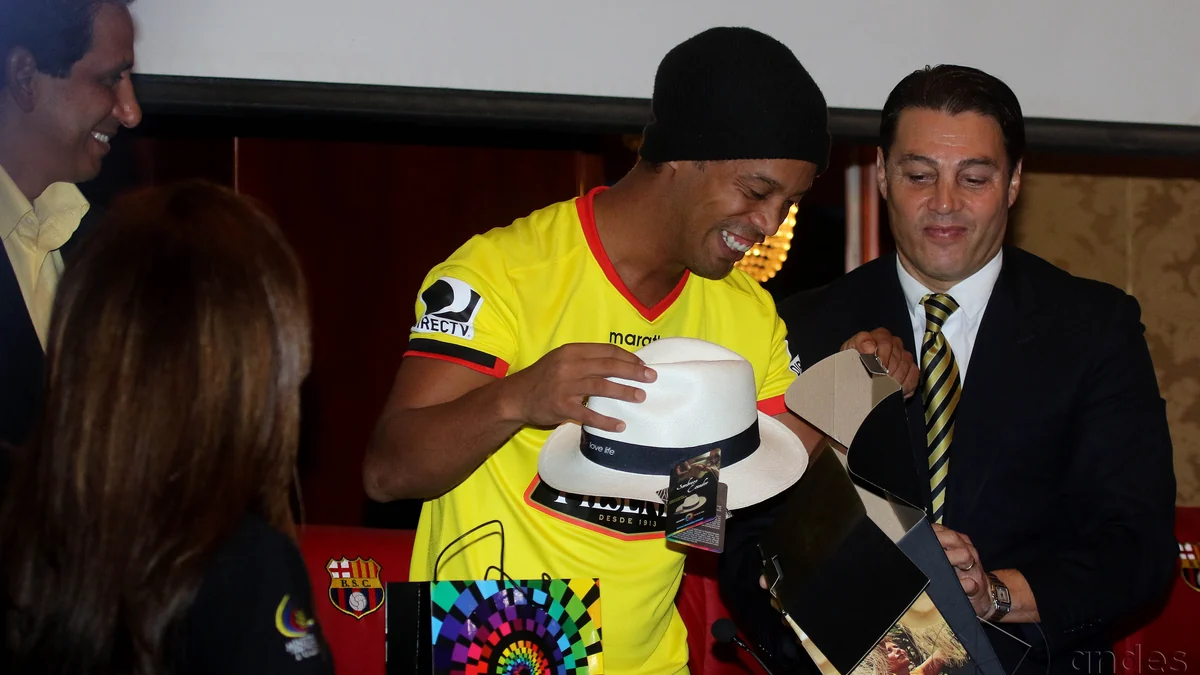
The number 10 as a cultural brand
Ronaldinho is a case in which the public figure moved beyond his original function without losing recognition. After ending his elite career, he continued appearing at events, campaigns, musical encounters, entertainment experiences, and situations that the internet often classifies as “random outings.” The expression is informal, but it helps name a real phenomenon: the circulation of an idol across multiple spaces, without every appearance having to obey the logic of a traditional career.
In the case of Ravenna, that circulation takes a more organized form. The club is not only bringing in a famous former player to attract attention. It is using Ronaldinho's image to build narrative: a historic team, an Italian city, an entrepreneur with a repositioning project, a uniform designed as an identity object, and a Brazilian athlete converted into a global emblem of joy.
It is a pop culture operation. Not in the shallow sense of celebrity for celebrity's sake, but in the sense that contemporary football has become a field of signs. Shirts are fashion. Presentations are spectacle. Small clubs can compete for international visibility if they know how to connect local history to global characters.
Ronaldinho serves this project because he carries an extremely strong affective brand. He represents an image of Brazil that mixes technique and pleasure, improvisation and charisma, street and stadium. In Ravenna, that image is repackaged for a European and digital audience, but its symbolic origin remains recognizable to Brazilian viewers.
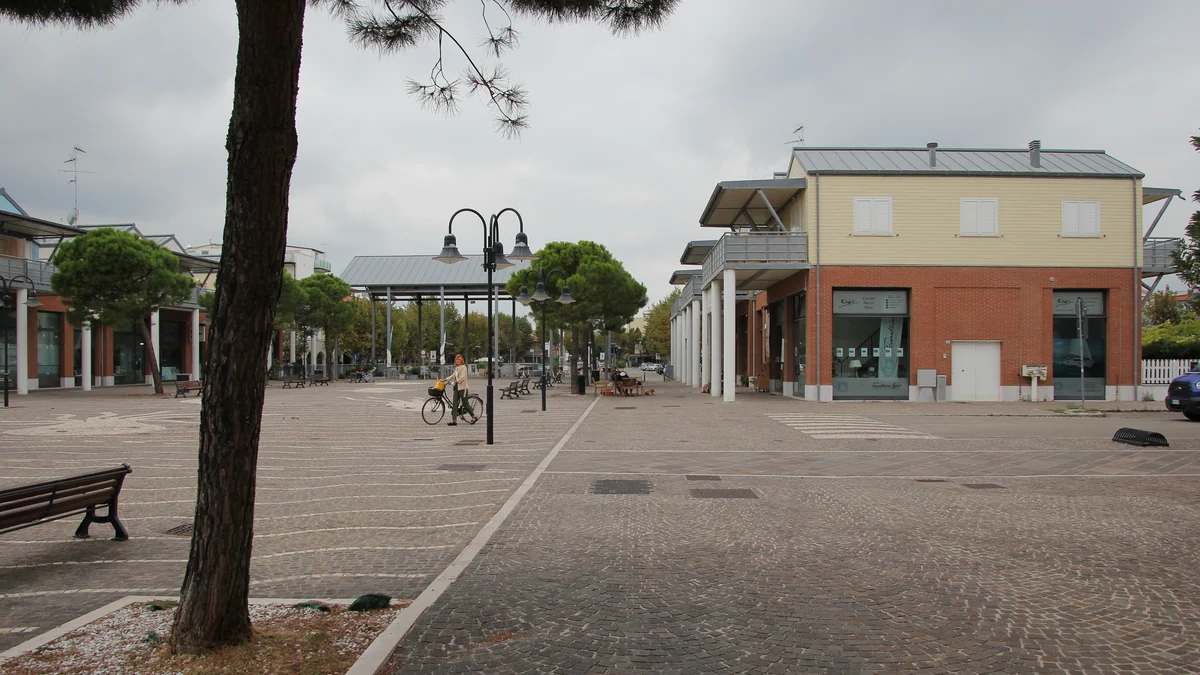
The risk between memory and product
There is, however, a tension that needs attention. Whenever an idol returns as an event, there is the possibility of an honest celebration of memory, but also the risk of empty exploitation. The boundary between tribute, business strategy, and nostalgic spectacle is thin.
Ravenna has legitimate reasons to seek visibility. Lower-division clubs need revenue, fans, sponsorship, and stories capable of expanding their presence. Ronaldinho, in turn, has the right to take part in projects that combine affection, business, and fun. The problem begins when the public is led to believe in something larger than the facts support.
That is why cultural coverage should resist exaggeration. It is not correct to sell the idea that Ronaldinho has fully returned to professional football as if he were about to play a high-performance season. It would also be poor to reduce everything to a marketing trick. The case is more interesting precisely because it sits in the middle: it is a commercial action, but anchored in real memory; it is a spectacle, but tied to a player who changed football's imagination; it is nostalgia, but also a current form of image circulation.
The best reading may be this: Ronaldinho does not need to prove that he is still Ronaldinho. What is being contested is how the market, clubs, and fans use that symbol in 2026.
The Brazil that recognizes the gesture
The Brazilian reaction has a specific affective component. Ronaldinho was one of the last great players to condense, on a global scale, the fantasy of football as serious play. In an era of athletes highly controlled by data, performance, media teams, and image protocols, he is still remembered as someone who seemed to play with rare freedom.
That memory speaks to Brazilian urban culture. Ronaldinho's dribble always had something of a circle, of musical improvisation, of street-corner conversation, of dance that resolves conflict without needing to explain it. It is no coincidence that his image fits well in worlds close to samba, pagode, rap, funk, and street aesthetics. He is not a central musician in Brazilian culture, but he works as a character who moves through those codes.
That is why the Ravenna story can matter to Becoartes. It shows how a Brazilian icon is exported, remixed, and placed back on stage. The Italian city becomes the stage, but the symbolic grammar is Brazilian. The public wants to know whether he enters the field; culture wants to know why we still care so much.
A small event with a larger reading
If Ronaldinho plays an official match for Ravenna, the moment will probably be treated as a global spectacle. If he does not play, the presentation will still have fulfilled an image function. In both cases, the event has already revealed something: sporting memory has become a cultural asset in high circulation.
That circulation is not neutral. It can connect generations, build bridges between city, club, and public, and return visibility to local stories. But it can also flatten complex trajectories into scenes ready for quick consumption. Editorial responsibility means looking at both things at the same time.
What is confirmed fits into a few lines: Ronaldinho was presented, he is a shareholder in the project, he may play at least once, and his debut has not been confirmed. What that means requires more time: a former Brazilian number 10 remains capable of reorganizing global attention because his image combines talent, joy, memory, and market.
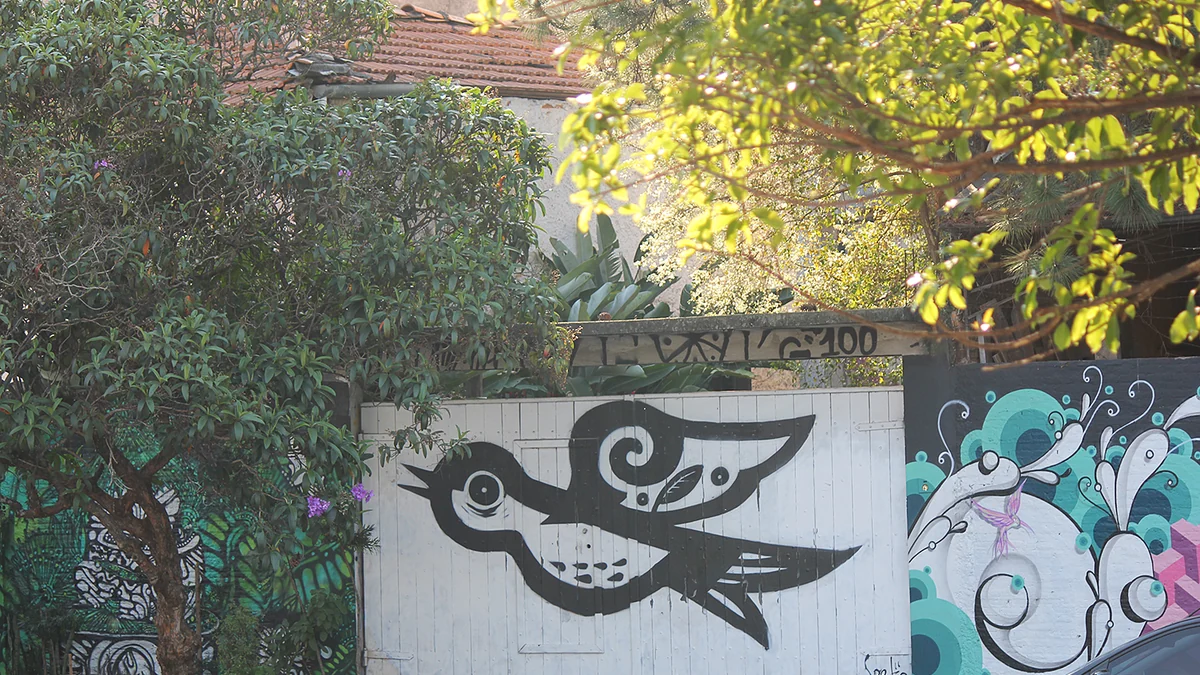
In São Paulo, where street culture learns every day to turn memory into presence, this story finds a natural echo. At Beco do Batman, a painted wall can also be archive, stage, and reinvention. Ronaldinho in Ravenna reminds us that some Brazilian symbols keep traveling the world without losing the color of where they came from, and it is in this movement between image, city, and affection that Becoartes finds its story.
Keep Reading Becoartes Cultural Guide
Follow our readings on urban culture, music, cinema, technology, and the Brazilian symbols that circulate between São Paulo and the world.
Becoartes - Beco do Batman
99 Gonçalo Afonso Street, Vila Madalena, São Paulo
Sources and credits
- César Muñoz/Andes — CC BY-SA 2.0
- César Muñoz/Andes — CC BY-SA 2.0
- Gianni Careddu — CC BY-SA 4.0
- Diego Bravo (Somente Coisas Legais) — CC BY-SA 4.0
- UOL - Ronaldinho é apresentado na Itália
- Folha de S.Paulo - Ronaldinho Gaúcho é apresentado em clube da terceira divisão italiana
- The Guardian - Ronaldinho at Serie C's Ravenna
- Ravenna FC - Ronaldinho officially joins Ravenna FC by Cipriani
- EFE - Ronaldinho fue presentado en el Ravenna