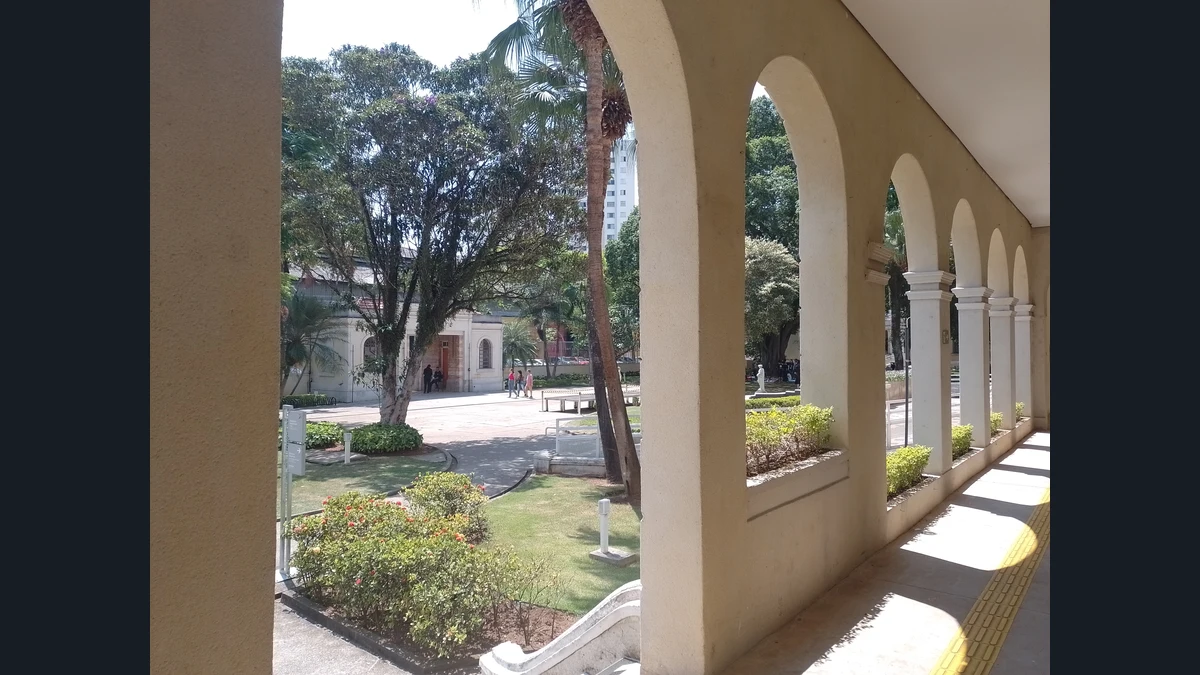
São Paulo is getting an early start on Brazil’s coffee tricentenary. On Friday and Saturday, November 27 and 28, the Instituto Biológico in Vila Mariana hosts “300 Anos de Café: Origem da Nossa Força,” a free public programme opening the state’s celebrations ahead of the 2027 anniversary. It offers more than a chance to taste coffee. Within a single address, visitors can see a working landscape in the middle of a large city and explore an exhibition about the people who moved to Brazil to work on the land.
Three activities, three different timetables
The travelling exhibition “Imigrantes do Café” runs from 10 a.m. to 5 p.m. on both days. The guided walk through the coffee grove starts earlier, at 9 a.m. on Friday and Saturday. Participants must register in advance, and the published capacity is 30 people per departure. Use the registration link in the event announcement and wait for confirmation before making a special trip just for the walk. If both groups are full, the exhibition remains a separate reason to visit.
Tastings of prize-winning coffees are scheduled from 5 p.m. on Friday and from 11:30 a.m. on Saturday. That suggests two very different itineraries: on Friday, see the exhibition before trying the coffees; on Saturday, see the show in the morning and stay for the tasting. Do not assume the exhibition is still open if you come after 5 p.m. on Friday. Admission is free, but the guided walk has its own sign-up process.
What to notice in the city’s coffee grove
The Instituto Biológico describes the site as the world’s largest urban coffee plantation. The distinction is less important than the experience of seeing coffee as an agricultural crop, only a short trip from the cafés where it more often shows up already roasted and ground. The guided visit looks at issues such as pests, the role of pollinators and what researchers mean by regenerative agriculture. Those are not things you can see in a bag of roasted beans.
For a first visit, take a moment to consider how the plants occupy the terrain and listen for what happens before harvest. Spotting a coffee plant is one thing; understanding why a crop’s quality or volume might vary is another. A useful question for the guides is which techniques are specific to the city setting and which might also be used on much larger rural properties. Coffee is familiar enough that it can be easy to overlook how much of the story happens well before the café counter.
Follow the route from Santos to Brás and beyond
Produced by the Museu do Café, the exhibition uses photographs, documents and personal accounts to explore the experience of immigration. Three stops make a useful thread through the material: landing in Santos, passing through the Immigrants’ Hostel in Brás and heading to the coffee-growing districts. The port tells a story about the journey; the hostel about what awaited those who arrived; the farms about the conditions in which they went to work.
Look for who is speaking in any particular account and what that person's circumstances might explain. It is easy to reduce migration to a few lines between cities on a map, or turn it into one account of successful adaptation. Personal documents and recollections allow for something more specific. The exhibition’s focus on immigration is not the entire story of labour on Brazilian coffee plantations, but it gives visitors concrete people and places around which to start asking better questions.
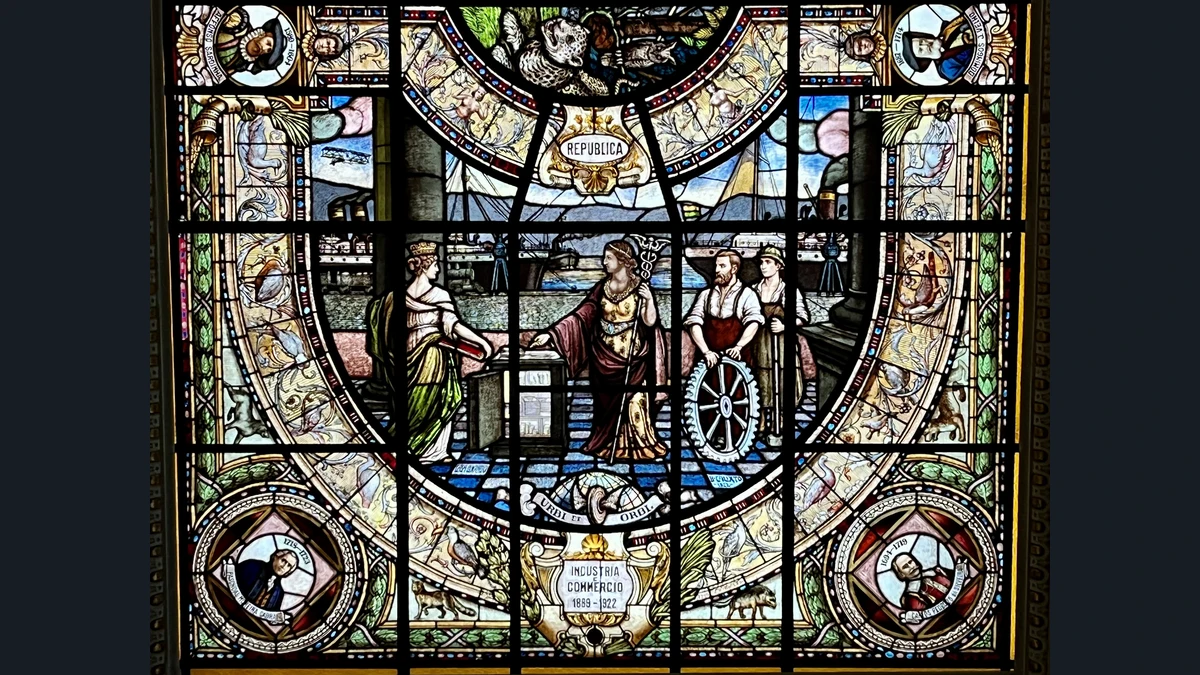
The Coffee Museum in Santos is housed in the old Official Coffee Exchange, while the Immigration Museum in São Paulo occupies the former hostel in Brás. The photographs of those buildings in this article are archival, not images of the upcoming event. For the temporary exhibition itself on these two dates, the destination is the Instituto Biológico in Vila Mariana.
From the tasting table to the rest of the state
The weekend programme includes prizes for the 25th São Paulo State Coffee Quality Competition and the launch of new Coffee Routes itineraries. If you try one of the winning coffees, ask where it was grown, how it was processed and how the barista brewed it. That makes it easier to separate characteristics of the crop from the choices that were made in roasting and preparation. It can also be a better basis for choosing a place to visit than picking a familiar name off a label.
Find the Instituto Biológico at Avenida Conselheiro Rodrigues Alves, 1252, Vila Mariana. With only an hour, choose the exhibition or the tasting according to the published times. For the full itinerary, treat the morning walk as a reservation, check the official programme and allow a break between activities. Even without a place on the tour, São Paulo offers two ways to start exploring its coffee story this weekend.
Official programme · Institute registration form.
When checked on November 26, the institute’s form listed only December dates. Places for November 27–28 could not be confirmed. Do not make a trip just for the walk without confirmation.
Image credits. Images resized, framed with margins and converted to WebP without cropping. Alybnp (CC BY-SA 4.0); Ednei Fialho Lopes (CC BY-SA 4.0).
Sources for this story
Original documents are linked in the article.
Becoartes - Beco do Batman
99 Gonçalo Afonso Street, Vila Madalena, São Paulo