Brazil’s Health Ministry sent two emergency medical kits to Tupanciretã on Wednesday, November 25, five days after a violent storm struck the municipality in Rio Grande do Sul. The ministry’s update shows the response moving beyond the first rush to treat injuries. Health workers are also trying to keep existing treatments going, reach neighborhoods with mobile teams and reopen services whose premises were damaged or destroyed. The dispatch of the kits does not mean the town’s health system is back to normal.
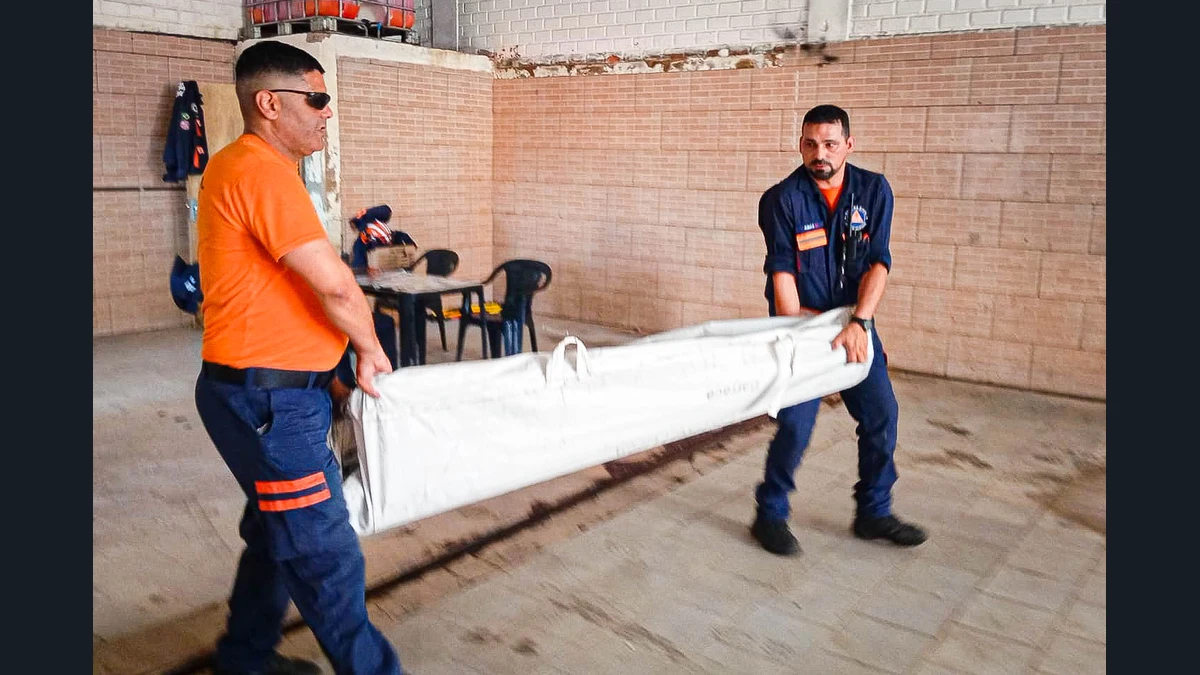
What is in the kits, and what the figure measures
Each kit contains 22 types of medication and 12 other medical supplies. The list includes painkillers, antibiotics and drugs for high blood pressure, along with gauze, gloves, masks and syringes. The mix matters because the same local network has to support people injured in the storm and residents who already needed regular treatment. The figures describe the range of products supplied, not the number of tablets or dressings a patient is entitled to collect.
The ministry put the kits’ capacity at up to 1,500 people per month. That is an estimate of how much care the supplies can support, not an attendance count or evidence that 1,500 residents have received medicine. Wednesday’s announcement confirms the shipment, but does not say every item is already stocked at each local service point. Adding supplies to the system and getting a particular item to a resident are different steps. The second depends on where services are open and what is actually available there.
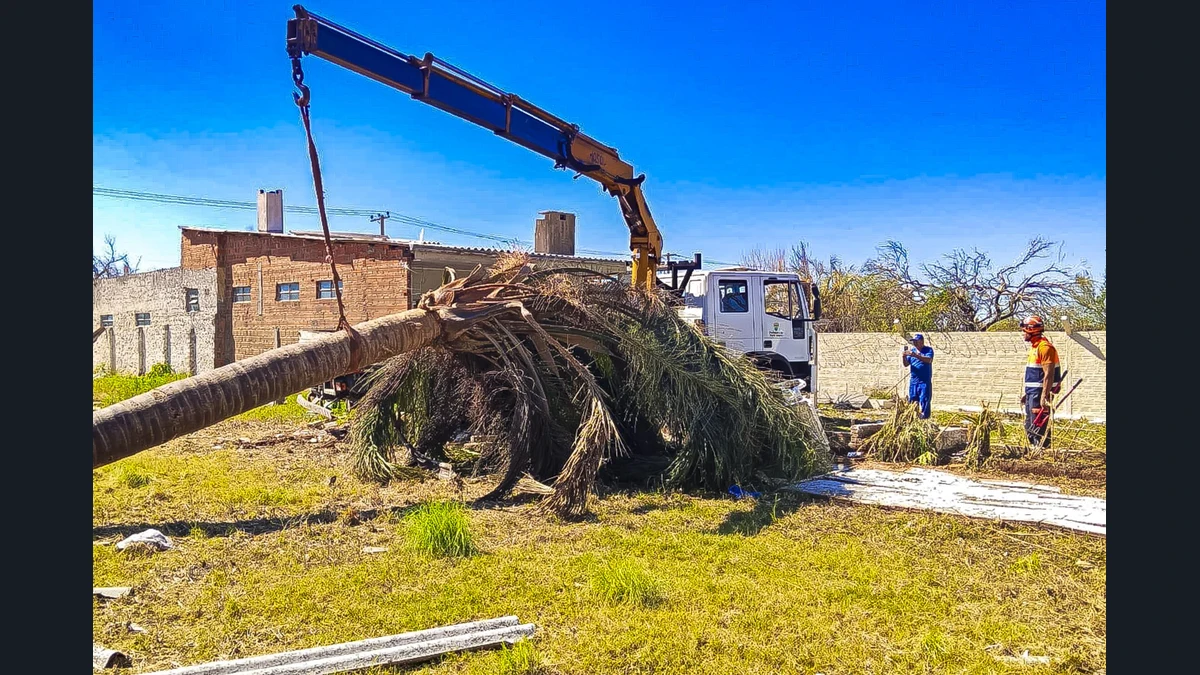
Bringing some care back to neighborhoods
The National Health Force’s first deployment notice noted damage to the roof of Brasilina Terra Hospital and disruptions to diagnostic imaging. In its Wednesday update the ministry said two primary-care clinics had resumed appointments within 24 hours of the national teams’ arrival on Saturday, November 21. The reopening of two clinics restores part of the neighborhood network; it does not establish that the hospital can once again provide all of its usual services.
The ministry announced that a mobile clinic would begin seeing patients in Chiapetta on Wednesday. It also described outreach in rural settlements, including Santa Rosa, where teams offered medical and psychosocial support. Municipal and national health teams agreed to move nonmedical relief distribution away from the hospital, which had been used to hand out food, blankets and mattresses. The separation gives residents somewhere else to pick up relief supplies and allows the hospital to focus on health care.
What changes if prescriptions or ID were lost
The update describes a temporary exception for Tupanciretã under Farmácia Popular, Brazil’s program for dispensing certain medicines and health products through participating pharmacies. For an initial 90 days, the ministry said, beneficiaries can use a declaration provided by a participating pharmacy instead of presenting photo identification or a prescription under the exceptional procedure. The announcement also allows early collection without waiting the usual 30 days and collection by a third party with a simple written authorization that does not require notarization.
This is a change to the local operation of a particular public program, not a general change to prescription rules or a promise about every shop’s inventory. The ministry said participating pharmacies would receive operating instructions. The announcement explains the procedure being introduced; it does not list the counters where it is already running or confirm availability of a particular medicine. That distinction matters in a town where the storm disrupted both paperwork and services.
Rebuilding mental health services while a permanent site is unavailable
The ministry reported that the building housing the psychosocial care center, known as CAPS, was destroyed. The center resumed work from a temporary field unit. A psychologist was available there, while other team members conducted home visits. The ministry also identified a mobile unit as a temporary way to keep outpatient follow-up going. The 21 patients identified as needing continued care are the people identified to that point, not a count of everybody affected by the disaster.
The Rio Grande do Sul state government separately described technical support for organizing the town’s emergency needs and procurement. Both efforts matter after the first rescue phase. Staff, buildings, supplies and routes to care have to be reorganized while people are still rebuilding their homes. The next useful measure is what is actually operating and when a resident can get there, not simply how many initiatives have been announced.
Image credits. Images resized, framed with margins and converted to WebP without cropping. Defesa Civil Porto Alegre/Divulgação (Uso livre com crédito / Free use with credit); Defesa Civil Porto Alegre/Divulgação (Uso livre com crédito / Free use with credit).
Sources for this story
Original documents are linked in the article.
Becoartes - Beco do Batman
99 Gonçalo Afonso Street, Vila Madalena, São Paulo