An island already inhabited
When Christopher Columbus’s expedition reached the island in 1493, Taíno societies already lived there. The Library of Congress records the encounter that year, while Smithsonian educational material identifies Borínquen as an Indigenous name. Borikén is another spelling of the name. The arrival of Europeans does not mark the beginning of the island or its culture. A chronology held by the Library of Congress dates the expedition’s arrival at a port on the island to 19 November 1493.
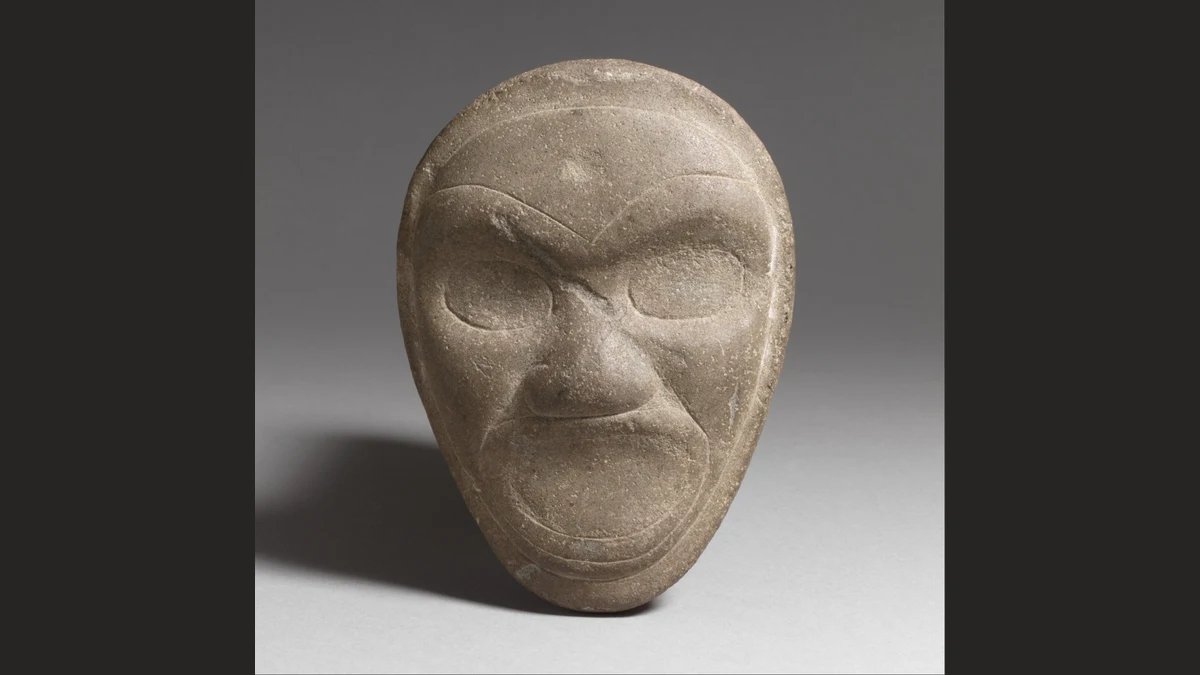
What the guaíza can tell us
The Metropolitan Museum of Art dates this Taíno stone carving from Puerto Rico to 1200–1500. Its catalogue identifies the object as a possible guaíza without claiming a definitive use. That date range does not establish a particular year of manufacture or a connection with the arrival of Columbus.
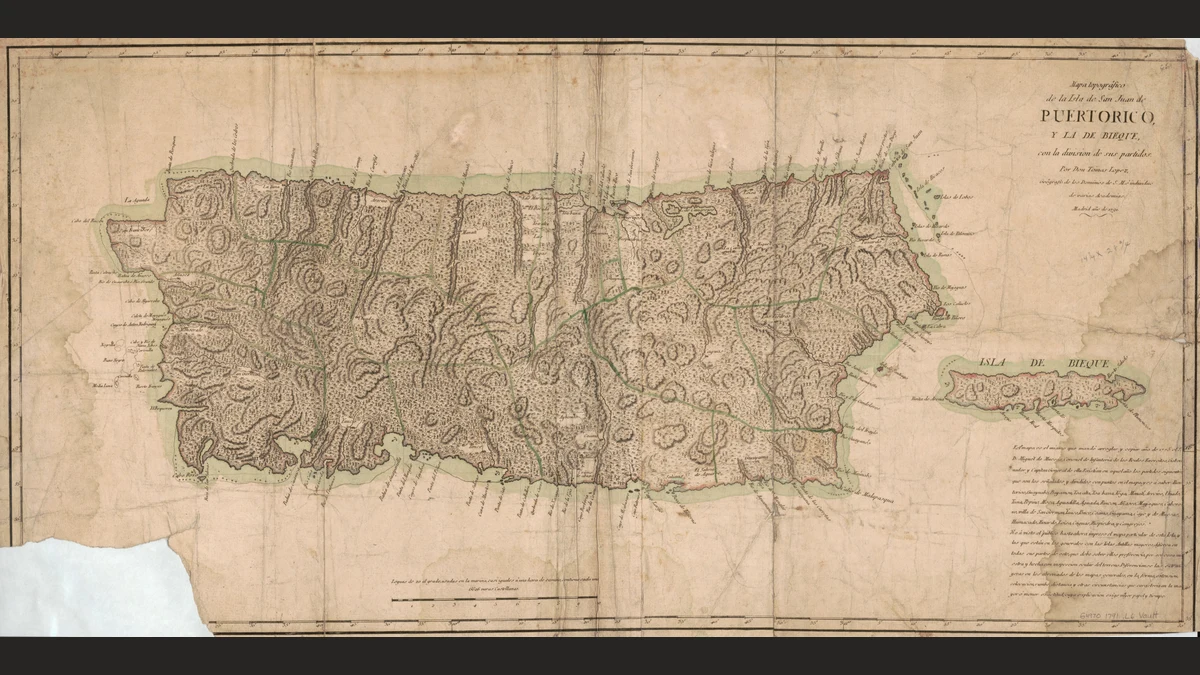
A map made nearly three centuries later
Tomás López de Vargas Machuca’s 1791 map represents Puerto Rico and Vieques from a colonial cartographic perspective. Its digitized image records the names and territorial divisions shown on that document. It is not a Taíno map and does not show where the expedition landed in 1493.
Read the collection records
Check the Met and Library of Congress entries before drawing conclusions from the objects.
Becoartes - Beco do Batman
99 Gonçalo Afonso Street, Vila Madalena, São Paulo
Sources and credits
- The Met · Michael C. Rockefeller Memorial Collection, Bequest of Nelson A. Rockefeller, 1979 · 1979.206.611 — CC0 · The Met Open Access
- Tomás López de Vargas Machuca / Library of Congress, Geography and Map Division — Public domain · faithful digitization
- Library of Congress · history
- Smithsonian Folkways · Taíno
- CC0 · The Met Open Access
- Public Domain Mark · cartography
- Library of Congress · Borikén
- Library of Congress · historical chronology