Attending a K-pop concert while caring for your hearing requires three measures used together: wear suitable hearing protection correctly, reduce the duration and proximity of sound exposure, and pay attention to how your ears respond afterward. None provides absolute protection, but the combination reduces risk without requiring fans to give up the music, choreography, light sticks or collective participation.
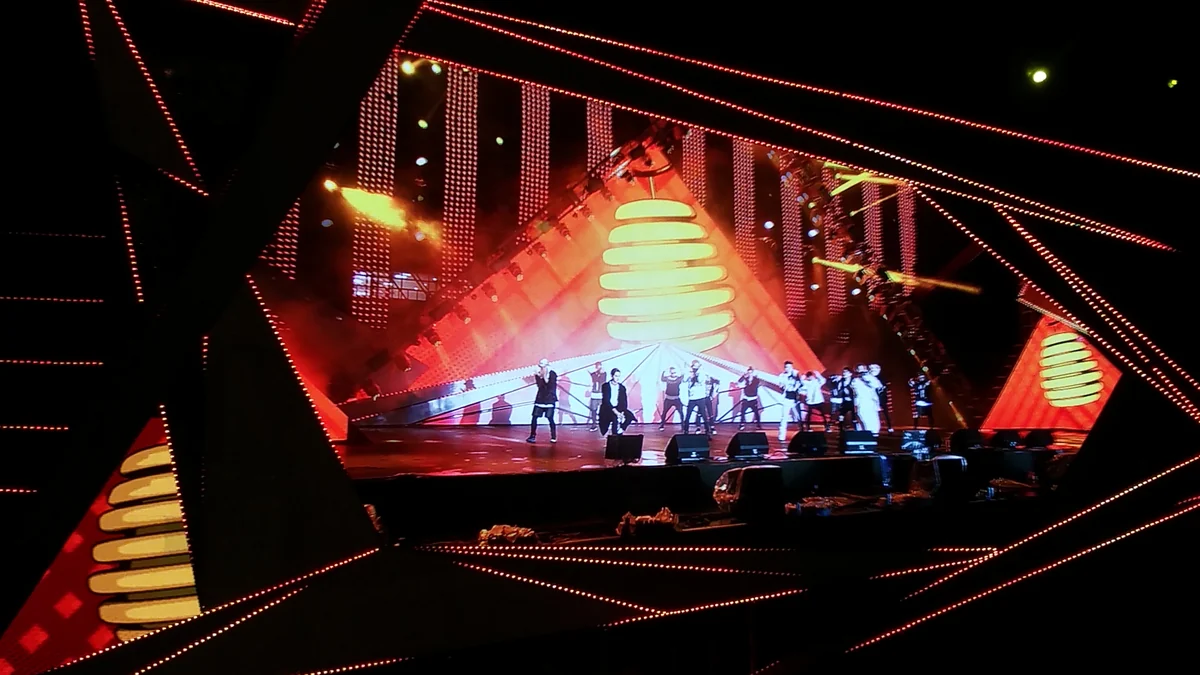
Why hearing care starts before the concert
Risk does not depend only on whether sound seems “very loud.” Intensity, duration and repeated exposure work together. The NIDCD explains that sounds can be harmful when they are intense even briefly or when they remain loud for extended periods. Attending loud concerts is among the recreational activities that can pose a risk of noise-induced hearing loss.
This issue is especially relevant to young audiences: the World Health Organization’s Making Listening Safe initiative estimates that more than 1 billion people ages 12 to 35 are at risk of hearing loss from recreational exposure to loud sound. This figure does not measure any specific concert, artist or arena; it is a global warning about listening practices.
Before leaving, put a pair of earplugs in your bag and, if possible, bring a spare pair. Test the fit beforehand by following the manufacturer’s instructions. A comfortable, properly fitted model is more practical for an entire performance than an unfamiliar product that is repeatedly removed.
How to choose and wear hearing protection
Options include foam earplugs, reusable earplugs and models designed for music. The best practical choice is one that fits your ears, can be worn consistently and comes with clear instructions. Do not assume that a particular shape, material or price guarantees complete protection.
The NIDCD recommends earplugs or other protective devices during loud activities. The CDC/NIOSH adds that hearing protection can be effective when selected correctly and used consistently. Manufacturer guidance matters: shallow insertion, an incomplete seal or intermittent use reduces the device’s practical value.
Insert the protection before entering the loudest area. If it needs adjustment, do so in a quieter place with clean hands. Do not remove one side to “balance” the sound. Children and people with hearing conditions, pain, recent surgery or difficulty adapting need individualized professional advice.
During the concert: distance, time and breaks
Hearing protection is one layer, not permission to remain next to loudspeakers indefinitely. The NIDCD offers a useful summary: avoid sounds that are too loud, too close or last too long. At the venue, move away from amplification sources when possible and take breaks in a quieter area. If the sound remains uncomfortable with protection, change position or leave the loud area.
A decibel level cannot be assigned to an event from its lineup, arena size or videos alone. Measurement depends on location, time and equipment. The CDC/NIOSH limit of 85 dBA averaged over eight hours is an occupational recommendation, not a safety certification for any concert. The same source explains that as sound levels rise, recommended exposure time falls.
Having to raise your voice substantially to speak to someone nearby is a simple sign of an intense sound environment. It does not replace measurement or an examination, but it is a reason to reinforce protection, distance and breaks.
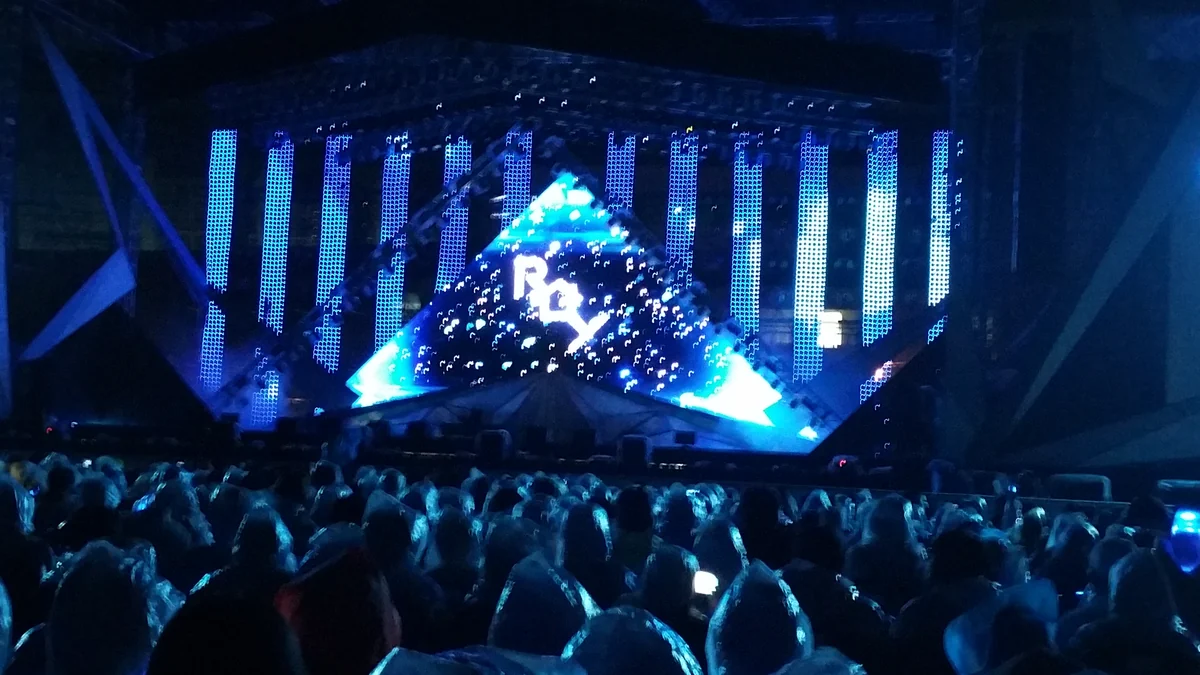
Safety also depends on event organizers
Responsibility should not rest only with the audience. The WHO global standard for venues and events proposes six features that support safe listening while preserving the integrity of the artistic experience. WHO assigns responsibilities to governments, public health authorities, producers, participants in the music industry, the private sector and civil society.
Before the event, check official venue and organizer channels for policies on hearing protection, quiet zones or information about sound management. Conditions vary and can change, so confirm them through the organizer’s official link. A lack of published information does not establish whether a particular measure is or is not available.
After the show: warning signs that matter
Ringing, muffled hearing, sounds seeming dull or difficulty understanding speech should not be dismissed. The NIDCD says noise-induced hearing loss can be immediate or become noticeable over time, be temporary or permanent, and affect one or both ears. Apparent recovery after 16 to 48 hours also does not prove that no residual damage occurred.
After the concert, avoid additional loud sound and give your ears a quieter period. Do not increase headphone volume to compensate for muffled hearing. If you notice hearing loss, persistent tinnitus or any concerning change, seek assessment from a health professional. WHO emphasizes that early identification of hearing loss and ear disease is important for appropriate management.
Sudden or severe symptoms require medical guidance, not at-home attempts at diagnosis. Apps and watches may help you notice the environment, but they do not replace professional measurement, a hearing examination or clinical advice.
A short plan for your next concert
Prepare your earplugs and test the fit in advance; wear them consistently in the loud area; keep as much distance as possible from loudspeakers; alternate exposure with breaks; and take any hearing change afterward seriously. This plan does not eliminate every risk, but it turns public health guidance into concrete decisions for enjoying the concert more carefully.
To extend your cultural experience in São Paulo, Becoartes is at Rua Gonçalo Afonso, 99, Vila Madalena. Before visiting, check current information on the official Becoartes website.
Continue your cultural experience at Becoartes
Visit Becoartes at Rua Gonçalo Afonso, 99, Vila Madalena, and confirm current information on its official website.
Becoartes - Beco do Batman
99 Gonçalo Afonso Street, Vila Madalena, São Paulo
Sources and credits
- Bonnielou2013 — CC BY-SA 4.0
- Bonnielou2013 — CC BY-SA 4.0
- Bonnielou2013 — CC BY-SA 4.0
- Bonnielou2013 — CC BY-SA 4.0
- Organização Mundial da Saúde — Making Listening Safe
- Organização Mundial da Saúde — Global standard for safe listening venues and events
- CDC — About Noise-Induced Hearing Loss
- NIDCD — Noise-Induced Hearing Loss
- Organização Mundial da Saúde — Deafness and hearing loss