The clay figures in the opening of “Lá na Minha Terra” have an acknowledged reference: Mestre Vitalino. The telenovela’s team photographed pieces by the artist at Museu do Pontal in Rio de Janeiro and used that research as the starting point for animated characters. The tribute continues in “Deus de Barro,” composed by Petrucio Amorim and performed by João Gomes and Juliana Linhares.
That does not turn the sequence into a catalogue of Vitalino’s work. It combines an artistic reference connected to Caruaru, Pernambuco, the fictional town of Lavra Seca and landscapes in Bahia’s Chapada Diamantina. Keeping these layers distinct is essential to avoid treating Brazil’s Northeast as a single tradition.
Where the opening’s figures came from
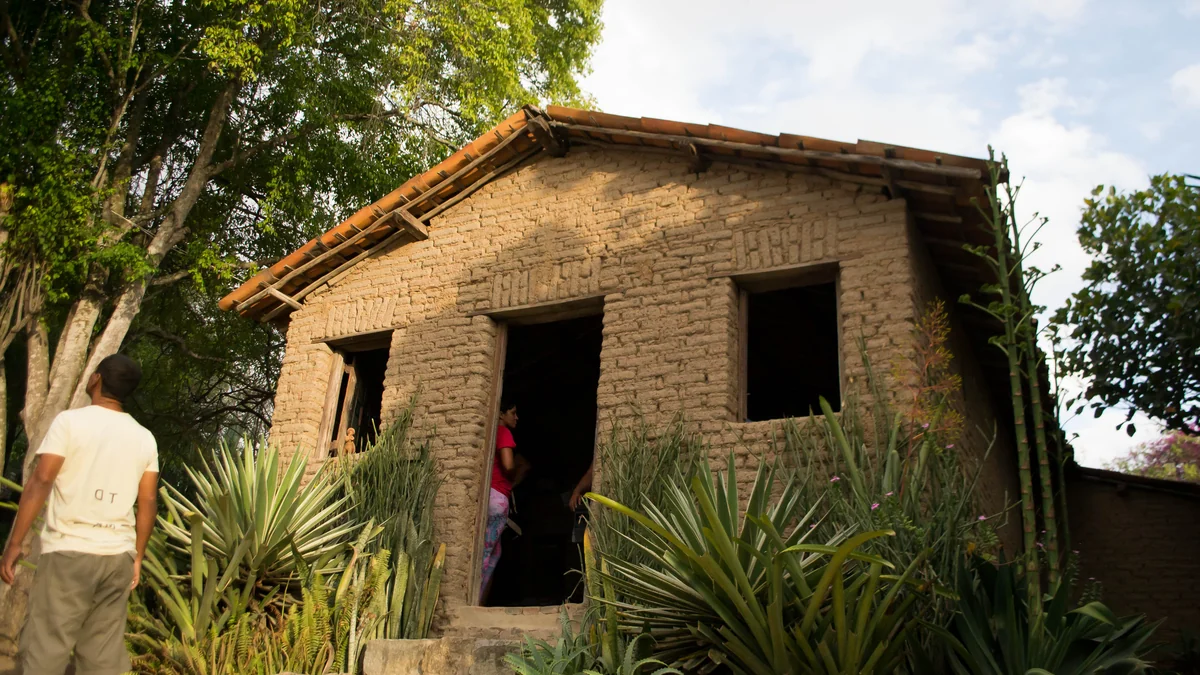
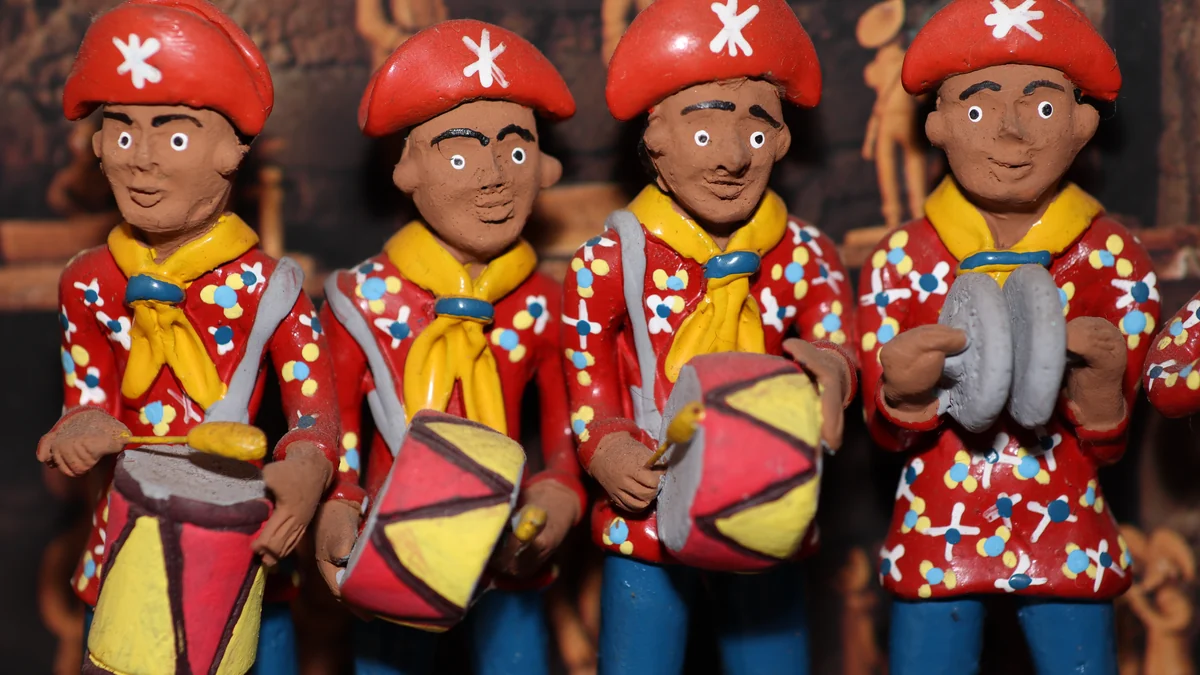
According to the team’s account to Gshow, the visual research began with a visit to Museu do Pontal. The professionals mainly photographed pieces by Mestre Vitalino there. Christiano Calvet, who created the opening with nine other team members, described the artist as a major name in Brazilian folk art and said his style reached apprentices and enthusiasts.
The figures on screen, however, were produced for the telenovela. The described process included a script, storyboards drawn by the designers, 3D construction, and adjustments to color, effects and motion. Artificial-intelligence tools were used during concept-art, study and testing stages; the team says development and finishing continued to depend on the creators’ work.
The most accurate formulation, therefore, is that the opening is inspired by Vitalino. The available sources do not identify the animated characters as versions of particular sculptures.
Who Mestre Vitalino was—and the limits of the documentation
The consulted sources establish Vitalino as a reference in Brazilian folk art associated with Alto do Moura in Caruaru, Pernambuco. The production acknowledges that his style circulated among other creators, while the continued presence of his memory in that territory is visible in an institution devoted to him.
The official MuseusBr registry says Casa-Museu Mestre Vitalino opened in 1971, is community-based and holds approximately 150 cultural objects classified under visual arts and history. Its address is Rua Mestre Vitalino, with no street number, Alto do Moura, Caruaru, Pernambuco.
Together, these details establish the artist, the territory and the institutional preservation of his memory. The pages available for this edition, however, do not provide a chronological biography or details about his technique, recurring subjects or role among local ceramic artists. This article therefore does not assign specific characteristics to his production without documentary support. Anyone planning a visit should check the official registry for current admission and opening information before traveling.
Why “Deus de Barro” completes the tribute
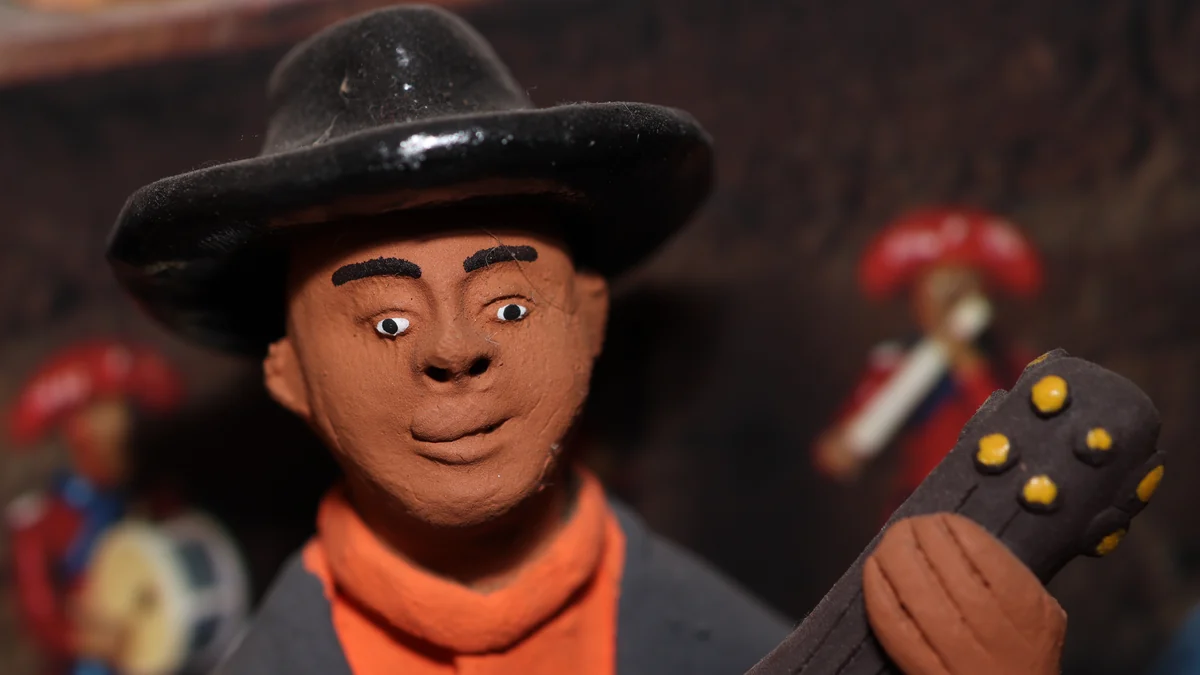
In the opening, the images and music point to the same material. “Deus de Barro,” by Petrucio Amorim, is performed by João Gomes and Juliana Linhares. According to Calvet, the lyrics also pay tribute to Mestre Vitalino.
The connection does not depend solely on the song’s title. The characters look modelled, and clay appears within the story itself. In the official presentation of the plot, Dodô Madeira, one of Rosenda’s sons, is described as finding artistic expression through clay.
The music therefore performs two functions supported by the sources: it reinforces the Vitalino reference and connects with a character in the story. That does not mean the lyrics explain the artist’s entire body of work or that every figure in the sequence reproduces one of his pieces.
The sertão created by the designers
The designers said they sought to portray a living sertão without restricting its image to drought and scarcity. Their research brought together memories of small towns, streets, houses, family photographs, images of saints and household objects. Colors and façades from the purpose-built Lavra Seca set also entered the composition.
That intention helps explain the animation’s vibrant tone, but it does not make the opening an ethnographic document. It is an audiovisual creation that selects, combines and transforms references. “Northeastern art” would be too broad a designation here: there is a named artist, a connection with Pernambuco and an adaptation made for fiction.
Caruaru, Bahia and Lavra Seca are not the same place
The Mestre Vitalino reference leads to Alto do Moura in Caruaru. Location filming, meanwhile, principally used the Chapada Diamantina in Bahia. The official page names Morro do Pai Inácio, Gruta Lapa Doce and Gruta Torrinha among its locations. Lavra Seca is the fictional setting where part of the story unfolds.
The telenovela brings these three layers together to build its visual world: artistic memory from Pernambuco, landscapes in Bahia and an invented town. The combination can work dramatically without forming a literal geography or a complete representation of the Northeast’s cultural diversity.
What to notice when watching the opening again
Three elements merit attention: the modelling of the characters, connected to the research on Vitalino’s pieces; “Deus de Barro,” which makes the musical tribute explicit; and the façades and domestic memories used to create Lavra Seca.
A responsible reading preserves name, place and authorship. Vitalino is the starting point acknowledged by the team, but the animated figures belong to the telenovela’s creation. The clay pieces from Caruaru, locations in Bahia and fictional setting converse on screen without becoming a single tradition.
Discover Becoartes
Art and culture at [Rua Gonçalo Afonso, 99, Vila Madalena](https://becoartes.com/).
Becoartes - Beco do Batman
99 Gonçalo Afonso Street, Vila Madalena, São Paulo