SBT has reached 45 years as one of the most recognizable brands in Brazilian television, but also as a rare case of a network whose cultural strength cannot be measured only by ratings. Founded by Silvio Santos on August 19, 1981, the network crossed generations by combining auditorium shows, children's drama, popular journalism, comedy, imported formats, Mexican telenovelas, affectionate reruns and a very particular idea of closeness to the audience. In 2026, that legacy still carries weight. The question is what to do with it.
The anniversary week placed the network back at the center of a larger conversation about free-to-air television, popular memory and renewal. SBT revisited its archive in a commemorative special, saw Patricia Abravanel deliver a strong Sunday performance and continues trying to reorganize a schedule that alternates tradition, recent bets and visible gaps. The cultural point lies precisely there: the network is not only fighting for position in the remote-control ranking. It is fighting for the ability to turn remembrance into a living language.
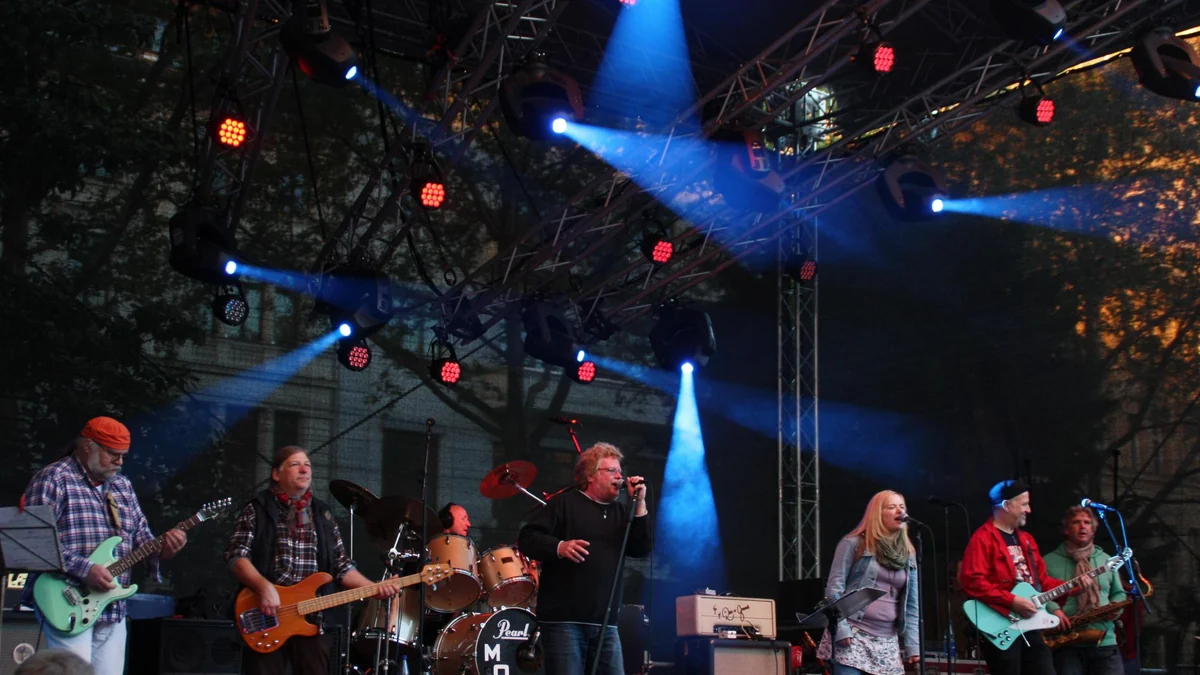
SBT as collective memory of free-to-air television
To talk about SBT is to talk about a television that entered Brazilian homes through laughter, games, improvisation and instant recognition. For decades, the network cultivated a less solemn relationship with viewers than its main competitors. Its identity was built around presenters with strong presence, auditorium programs, family attractions and drama that often came from abroad but was received as part of local everyday life.
This memory is not minor. For many people, SBT means afternoons with Chaves, Sundays with Silvio Santos, Mexican telenovelas, children's shows, competition segments, catchphrases repeated by families and openly popular television. That word, popular, must be read without condescension. The channel occupied a place of cultural mediation: it translated foreign formats, absorbed auditorium humor, mixed melodrama and entertainment and produced a language recognized across classes and regions.
The SBT Reporter special dedicated to the network's 45 years reinforced this act of looking back. According to the network's own release, the program gathered interviews and recovered landmark moments from the channel's history. The gesture is understandable: the archive is a symbolic asset. But television memory gains strength only when it helps illuminate the present. If it becomes merely a commemorative showcase, it risks looking like a museum of itself.
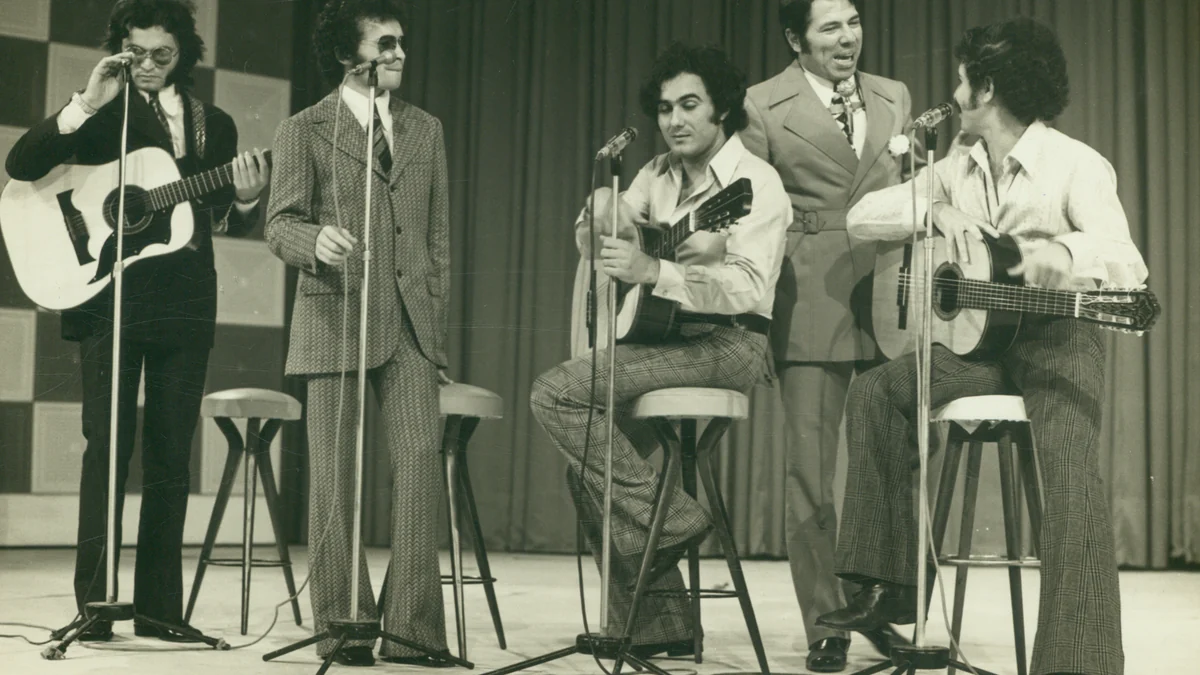
The weight of Silvio Santos after Silvio Santos
No reading of SBT can escape Silvio Santos. The founder was more than a businessman or presenter; he was the public grammar of the network. His way of conducting the auditorium, negotiating with chance, talking to participants and turning mistakes into scenes created a school of television. SBT grew as an extension of a presence, and that explains both its singularity and its current challenge.
After Silvio, the network needs to prove that the brand can exist as a cultural system, not only as the memory of a central figure. Patricia Abravanel now plays an important role in this process. According to F5, Programa Silvio Santos, hosted by her, led for nine nonconsecutive minutes on Sunday, August 23, and recorded its best performance of the semester. The figure matters less as an isolated trophy and more as a sign that the classic auditorium format still has energy when it finds rhythm, cast and a sense of occasion.
But symbolic succession is not solved through imitation. What made Silvio work was not only the format; it was his ability to turn unpredictability into a pact with the audience. Contemporary popular television needs to find another form of presence, suited to viewers who watch on multiple screens, comment in real time and compare free-to-air TV with streaming, social networks and short video clips.
Renewing without erasing identity
A UOL Splash report on the 45th anniversary noted that the network is experiencing a period of renewal while trying to preserve its identity. That is the core of the impasse. SBT has a brand too strong to become something else overnight, but it also cannot treat its history as an automatic guarantee of the future.
The recent schedule shows a network trying to balance familiar pieces and attempts at reorganization. There is morning journalism, foreign telenovelas, celebrity programs, auditorium shows, entertainment slots and occasional sports presence. This combination preserves some familiarity, but it raises a question: what is SBT's creative center today?
In the past, even when the network seemed uneven, there was a clear sense of personality. SBT could be less polished in finish, but it was recognizable in tone. In 2026, the risk is that the schedule may look like a sum of practical solutions without such a clear cultural project. The renewal required does not mean abandoning Chaves, auditorium shows or melodrama. It means reorganizing these elements within a vision that speaks to today's Brazil without relying only on the memory of Brazilian television from the 1980s, 1990s and 2000s.

The cultural dispute of free-to-air TV
Free-to-air television has changed function, but it has not disappeared. It no longer monopolizes family attention as it once did, but it still works as a large-reach public square. In sports events, Sunday programs, live journalism and formats based on popular participation, it can still bring together audiences that would hardly meet inside the same digital bubble.
In this scenario, SBT has a symbolic advantage: its history is deeply associated with the idea of accessible television. The network has always known how to speak to viewers who wanted company, laughter, prizes, telenovelas, music and light commentary on celebrities. This vocation may seem simple, but it is culturally relevant. It concerns the way Brazil organizes leisure, family, Sundays, childhood and domestic intimacy.
At the same time, competition has become more complex. Streaming captured part of serialized fiction. Social networks captured improvisation, backstage life and immediate reaction. YouTube captured on-demand programming. Free-to-air television needs to justify its presence through what it does best: event, simultaneity, face, routine and familiarity. For SBT, the question is not only how to attract viewers, but how to make its popular language feel necessary again.
Drama, auditorium and the absence of a project
One of the most sensitive points is drama. SBT built part of its recent memory with children's and youth telenovelas, as well as foreign plots that formed a loyal audience. However, a network that wants cultural relevance needs more than affectionate reruns or well-placed acquisitions. It needs production capable of creating characters, conflicts and imaginaries of the present.
Brazilian popular drama has always been a powerful engine of social conversation. When it works, it brings neighborhood, school, family, desire, class conflict and dreams of mobility into the living room. SBT knows this territory, but it needs to decide whether it wants to occupy it with ambition or simply manage it as remembrance.
The auditorium faces a similar dilemma. Stage programs can still be strong because they offer presence, chance and community. But the auditorium that survives in 2026 needs to understand that its audience also knows memes, podcasts, reality shows, live streams and the language of digital creators. The challenge is not to copy the internet. It is to remember that the best auditorium television was interactive before the word became fashionable.
What is fact and what is editorial reading
The confirmed facts are clear: SBT turned 45 on August 19, 2026; the network aired a commemorative SBT Reporter special; recent analyses point to a phase of renewal and pressure around identity; and Programa Silvio Santos with Patricia Abravanel had a notable performance on Sunday, August 23, according to an F5 report.
The editorial reading begins when these elements are placed in perspective. The anniversary is not only an institutional date. It exposes a cultural transition: a network created around a monumental personality needs to reorganize itself in a landscape where the authority of free-to-air television is smaller, but its ability to create collective rituals still exists.
SBT may fail if it tries to become only a nostalgic version of itself. It may also fail if it erases exactly what makes it recognizable. The most interesting path lies in between: using memory as repertoire, not shelter. That demands programming, artistic direction, drama, humor and auditorium shows that understand popular culture as living material.
Why this matters for Brazilian pop culture
Free-to-air television was one of Brazil's great factories of pop culture. Before global platforms dominated the conversation, Sunday programs, telenovelas, commercials, jingles and presenters created shared references. SBT took part intensely in that construction. Its aesthetic, sometimes seen as excessive or uneven, helped form a popular vocabulary that still circulates online.
When a network like SBT goes through an identity crisis, the issue is not only corporate. It is also a question about the kind of common culture we are still capable of producing. Digital fragmentation creates powerful niches, but it reduces the experience of watching together. Free-to-air television, with all its limits, still offers that meeting point.
At 45, SBT does not need to prove that it was important. That is already established. It needs to prove that its importance can continue operating in the present. For that, emotional memory must become language, and language must become programming capable of speaking both to those who grew up with the network and to those born without depending on it.
In the end, SBT's history matters because it speaks of a Brazilian culture that has always mixed stage, improvisation, melodrama and domestic affection. In São Paulo, where television crosses paths with advertising, music, theater, creative outskirts and nights of cultural debate, this conversation remains open. For Becoartes, looking at this network is also looking at the popular country that passes through screens before reaching the streets, bars, walls and conversations of the city.
Read TV as culture
Follow Becoartes for more readings on music, cinema, urban art and the popular rituals that shape São Paulo.
Becoartes - Beco do Batman
99 Gonçalo Afonso Street, Vila Madalena, São Paulo
Sources and credits
- Oliver abels (SBT) — CC BY-SA 3.0
- UnknownUnknown — Public domain
- Pexels — Pexels License
- International Gemini Observatory/NOIRLab/NSF/AURA/M. Paredes — CC BY 4.0
- UOL Splash - SBT chega aos 45 anos em busca de renovação sem perder a identidade
- F5/Folha - Patrícia Abravanel leva SBT à liderança por 9 minutos
- SBT News - SBT Repórter especial revisita os 45 anos de história do SBT
- Portal Alta Definição - Programação do SBT, quarta-feira, 26/08/2026