Francesca Gregorini’s appeal failed because the Ninth Circuit rejected two challenges involving the jury proceedings. It found the guidance on proving whether the creators of *Servant* had access to *The Truth About Emanuel* adequate, and held that the judge could accept the unanimous verdict before answering the jurors’ pending question. The court therefore left the victory for Apple, M. Night Shyamalan and the other defendants intact without conducting a fresh, comprehensive comparison of the works.
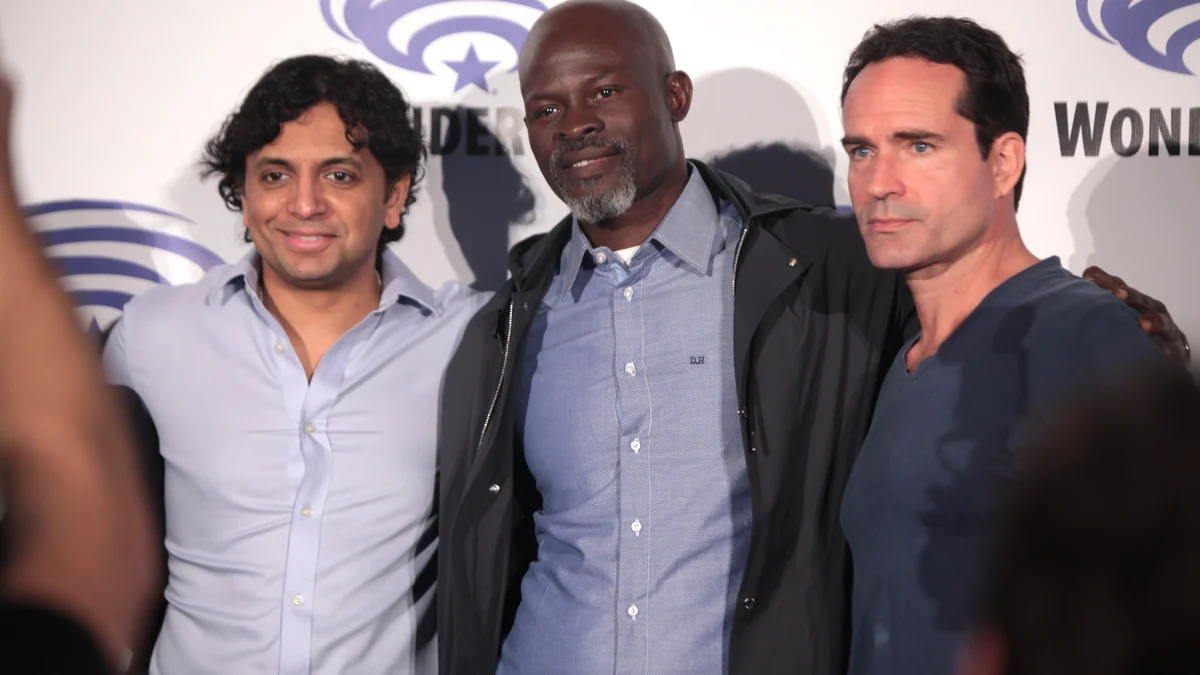
What was affirmed in 2026
On October 22, 2026, the federal appeals court preserved the result of the 2025 trial. Gregorini had alleged that the first three episodes of *Servant* copied her 2013 film, *The Truth About Emanuel*. MacRumors’ report says the jury unanimously ruled for the defendants on January 24, 2025.
The distinction between those stages is crucial. The jury assessed the facts and evidence introduced at trial. The appeal did not repeat that work from the beginning. Instead, it considered whether two legal issues concerning the handling of the jury required the verdict to be set aside. The Ninth Circuit held that they did not.
The disposition was issued as an unpublished memorandum. It resolves this dispute but is not binding precedent, except as permitted by the court’s rules. It should not be presented as a new general rule for every film or television copyright case. The primary document is the Ninth Circuit’s official memorandum in case No. 25-3225.
Access and copying are different questions
A copyright-infringement claim requires separating concepts that are often collapsed into the word “plagiarism.” One question is whether the people behind the later work had access to the earlier work. Another is whether legally actionable copying occurred. Similar story elements do not automatically answer both questions.
The Reuters report republished by Tiger Brokers says the jury determined that the makers of *Servant* lacked access to Gregorini’s film before creating the series. It also identifies the shared premise at the center of the dispute: both stories involve a mother grieving her baby’s death who becomes attached to a realistic doll.
Those elements were part of the filmmaker’s allegation. They are not, however, facts that justify labeling the series a copy. The defendants prevailed at trial, and the 2026 review did not replace the jury’s conclusion with a new factual analysis.
The first challenge: the access instruction
Gregorini argued that the jurors had not received enough guidance to evaluate whether the creators of *Servant* might have encountered her film. The Ninth Circuit rejected that challenge and found the instruction describing the ways access could be established adequate.
That point explains why the appeal was not simply another presentation of the original accusation. Setting aside the verdict required showing a reviewable error in the trial. The existence of related themes in the two works would not, by itself, demonstrate that the legal instructions were defective.
By upholding the guidance given to these jurors, the panel did not declare that access must be analyzed in precisely the same way in every future dispute. Its conclusion concerned the trial and objections before it.
The second challenge: the jury’s question
During deliberations, the jurors requested clarification about “wide dissemination,” a concept connected to a work’s broad circulation and the possible inference of access. Before the judge answered, however, the jury reported that it had reached a unanimous verdict.
Gregorini argued that the judge should not have accepted the result without first responding. The appeals court concluded that receiving the verdict under those circumstances was not an abuse of discretion. The second stated basis for overturning the trial therefore failed as well.
The appellate outcome followed from the rejection of two specific objections: one about the access instruction and another about accepting the verdict while a question remained pending. It did not follow from another full screening of both works and a new judgment about their scenes, characters or narrative structure.
What the court did not decide
It is accurate to say that Apple, Shyamalan and the other defendants retained their victory. It is inaccurate to suggest that the panel conducted a new, definitive examination and independently declared that no similarities existed between *Servant* and *The Truth About Emanuel*.
Nor did the court establish that stories sharing themes can never infringe copyright. The case involved specific works, evidence and objections. The memorandum’s unpublished, nonprecedential status provides an additional reason not to turn the outcome into a sweeping rule about audiovisual creation.
The lawsuit was filed in 2020, initially dismissed and revived by an appellate ruling in 2022. The 2025 jury trial followed, and its result has now been affirmed. That timeline shows why the “verdict” and the “appellate decision” are not interchangeable terms.
The series remains listed by Apple
*Servant* follows a grieving Philadelphia couple whose tragedy creates a rift in their marriage and opens the door to a mysterious force. The official US Apple TV page lists four seasons, names Lauren Ambrose, Toby Kebbell, Rupert Grint and Nell Tiger Free among the cast, and identifies Shyamalan as an executive producer.
The sources do not describe the ruling as an order to remove or alter the series. Apple’s US page remained active on the publication date. Availability, pricing and commercial terms may change, so readers should confirm current conditions through the official page.
Discover Becoartes
Visit [Becoartes](https://becoartes.com/) at Rua Gonçalo Afonso, 99, Vila Madalena, São Paulo.
Becoartes - Beco do Batman
99 Gonçalo Afonso Street, Vila Madalena, São Paulo
Sources and credits
- Gage Skidmore from Peoria, AZ, United States of America — CC BY-SA 2.0
- Gage Skidmore from Peoria, AZ, United States of America — CC BY-SA 2.0
- Gage Skidmore from Peoria, AZ, United States of America — CC BY-SA 2.0
- Gage Skidmore from Peoria, AZ, United States of America — CC BY-SA 2.0
- Apple TV — página oficial de Servant
- Apple Newsroom — estreia e imagens oficiais de Servant
- MacRumors — confirmação do veredicto em apelação
- Reuters republicada pelo Tiger Brokers — cobertura da decisão